





Doha, Qatar – The Ministry of Public Health recently concluded an intensive monitoring program during the Qatar International Food Festival 2026, demonstrating a strong commitment to food safety for large public events. The initiative, conducted in partnership with Qatar Tourism and festival organizers, aimed to protect public health and ensure high standards of hygiene throughout the event. This year’s festival, held in January, saw a significant turnout, necessitating heightened vigilance.
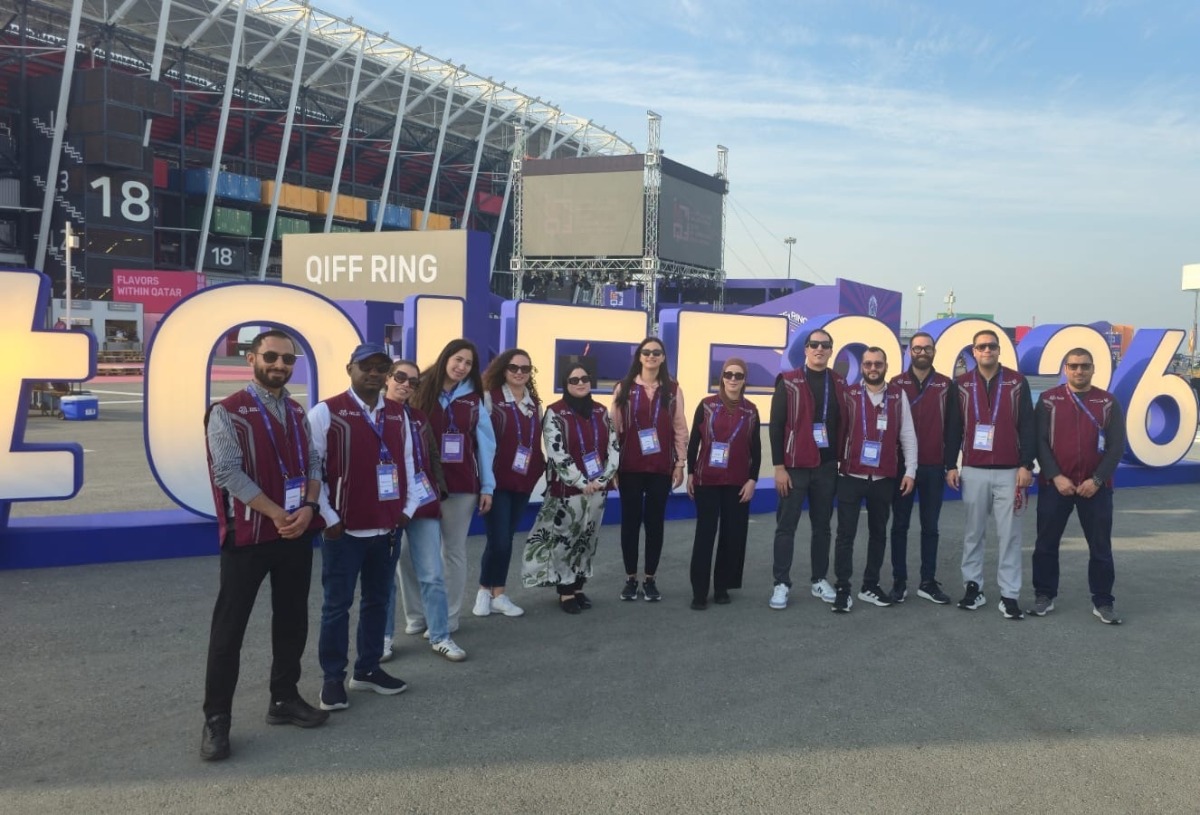
The monitoring efforts involved pre-event assessments of local restaurants and specialized training for international vendors. According to the Ministry, a team of 14 inspectors conducted over 800 visits to the festival’s 220 kiosks, including 46 international restaurants, throughout the duration of the event. This proactive approach underscores Qatar’s dedication to maintaining a safe environment for both residents and visitors.
Ensuring Food Safety at Major Events
The Ministry of Public Health developed a comprehensive regulatory plan prior to the festival’s opening. This plan focused on a risk-based approach, integrating both proactive inspections and educational outreach. Wasan Abdullah Al Baker, Director of the Food Safety Department, stated that the program was designed to build confidence in Qatar’s services and protect attendees’ well-being.
The training program for international restaurants, a two-day intensive course, focused on key principles of food hygiene, proper storage techniques, and safe food preparation and presentation methods. This was particularly important given the diverse range of cuisines and potential variations in food handling practices. The Ministry recognized the need to standardize procedures to mitigate potential risks.
Inspection Focus and Findings
Inspection rounds were increased during peak hours and periods of high visitor traffic. Teams utilized a risk-based inspection checklist to evaluate compliance with health regulations. The inspections extended beyond the kiosks themselves, with daily follow-ups conducted at central preparation units (CPUs) that supplied the restaurants, ensuring safety throughout the entire food supply chain.
A total of 1,335 food product samples were collected and analyzed at the Ministry of Public Health’s Food Safety Laboratories. The report indicates that the majority of violations identified were considered low risk, primarily related to the temporary nature of the kiosk structures and limited workspace. These issues were addressed immediately with corrective actions.
However, the Ministry emphasized that even minor infractions are taken seriously to prevent escalation. Operators reportedly demonstrated a high degree of cooperation and promptly implemented the recommendations provided by inspectors. This collaborative approach contributed to the overall success of the food safety measures.
The focus on preventative measures and rapid response aligns with international best practices in event public health. Qatar has been increasingly focused on bolstering its event safety protocols as it prepares to host future international gatherings. This includes investments in laboratory infrastructure and inspector training.
Looking ahead, the Ministry of Public Health will analyze the data collected during the festival to refine its regulatory plans for future events. A comprehensive report detailing the findings and recommendations is expected to be released in the coming months. Further improvements to the pre-event training program for international vendors are also under consideration, potentially expanding the curriculum to include more specialized areas of food safety. The ongoing evaluation of these programs will be crucial in maintaining Qatar’s reputation as a safe and welcoming destination.