



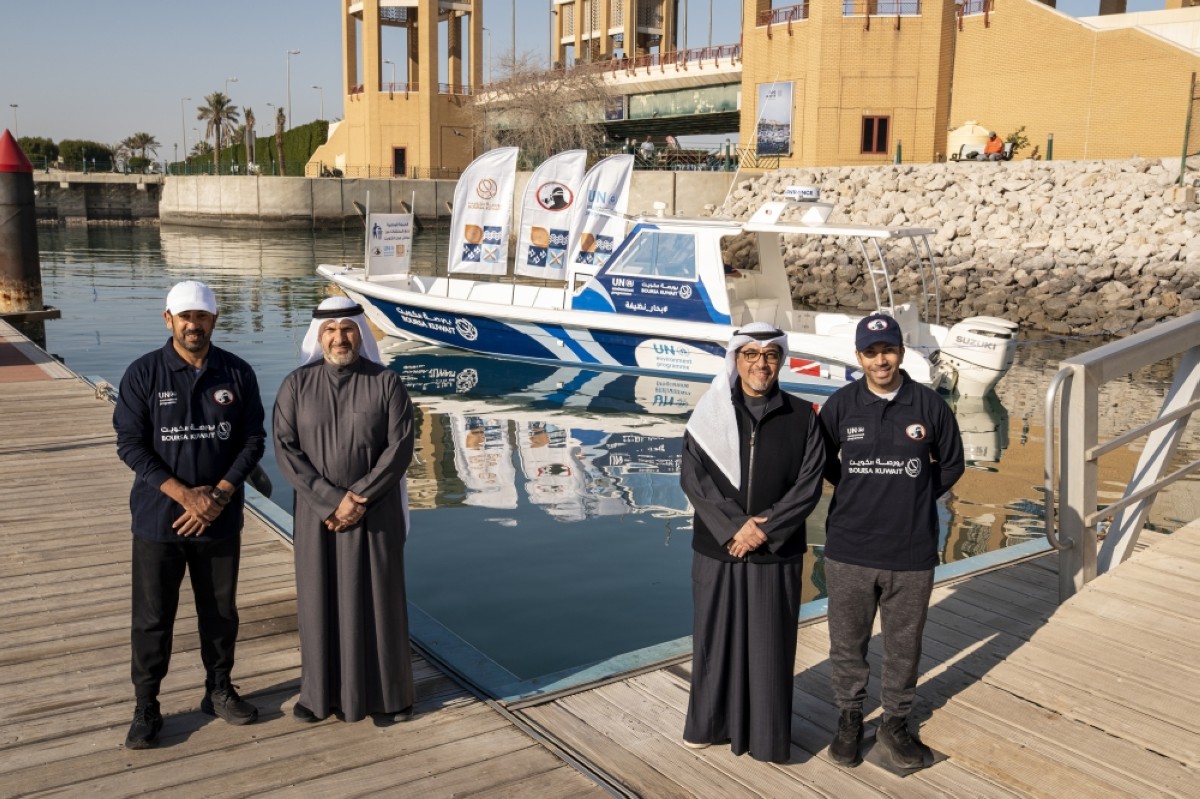

Kuwait Bay, a vital economic and ecological resource for the State of Kuwait, has received a significant boost in its preservation efforts with the launch of “Boursa Boat,” the second vessel dedicated to supporting the Kuwait Dive Team and the Environmental Voluntary Foundation. This initiative underscores Boursa Kuwait’s ongoing commitment to environmental sustainability and protecting the rich marine biodiversity of the region. The new boat will dramatically enhance the capacity of these crucial organizations to tackle marine pollution and safeguard this important ecosystem.
Boursa Kuwait Doubles Down on Marine Conservation
Boursa Kuwait’s dedication to environmental responsibility isn’t new. The launch of the second “Boursa Boat” builds upon the success of the “Clean Seas” initiative, which began in 2020 with the inauguration of the first vessel. This strategic approach demonstrates a commitment to translating environmental concerns into tangible, on-the-ground action. Naser Meshari Al-Sanousi, Senior Director of Marketing and Corporate Communications at Boursa Kuwait, emphasized the partnership as a “model of constructive cooperation between the private sector and institutional environmental action.”
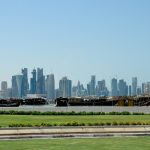
This isn’t simply a philanthropic gesture; it’s a recognition of the critical role Kuwait Bay plays in the nation’s economic stability and environmental health. The Bay is home to the Shuwaikh and Doha ports, essential for trade, and supports vital infrastructure like power generation and desalination plants, crucial for Kuwait’s water and energy security. Protecting this environment is therefore a matter of national importance.
The Importance of Kuwait Bay’s Ecosystem
Kuwait Bay isn’t just economically significant; it’s a globally important ecological site. Recognized as the world’s second-largest nursery for fish, the Bay provides a crucial breeding ground and supports a diverse marine ecosystem. It also serves as a primary refuge for migratory birds traversing regional routes, making its conservation a matter of international concern.
Natural Reserves within Kuwait Bay
The Bay’s ecological value is further reinforced by the presence of three major natural reserves:
- Sabah Al-Ahmad Natural Reserve: A key area for protecting coastal and marine biodiversity.
- Sulaibikhat Marine and Coastal Natural Reserve: Important for fish spawning and as a habitat for various marine species.
- Al-Khuwisat Natural Reserve in Jahra: Provides a vital resting and feeding ground for migratory birds.
These reserves collectively highlight the need for proactive and sustained conservation efforts, which Boursa Kuwait is actively supporting. The health of these areas directly impacts the overall health of the Arabian Gulf and the wider region.
Capabilities of the New “Boursa Boat”
The newly launched vessel is equipped with the latest technologies and specialized equipment, significantly boosting the operational capabilities of the Kuwait Dive Team. This allows them to undertake a wider range of environmental tasks with greater efficiency. Key functions of the boat include:
- Marine Debris Removal: Actively collecting and removing plastic and other waste polluting the Bay.
- Abandoned Fishing Net Retrieval: Recovering “ghost nets” that continue to trap and harm marine life.
- Marine Mooring Installation: Providing safe and environmentally friendly mooring points for vessels.
- Coral Reef Monitoring: Assessing the health and condition of coral reefs, vital components of the marine ecosystem.
- Marine Life Documentation: Studying and documenting the diverse species inhabiting Kuwait Bay.
- Beach and Island Cleanups: Extending cleanup efforts to coastal areas and islands within the Bay.
The impact of this support is already evident. Since 2020, the “Clean Seas” initiative, bolstered by the first “Boursa Boat,” has successfully removed over 671 tons of marine waste. In 2024 alone, the Kuwait Dive Team removed 173 tons of marine waste and 90 tons of abandoned vessels during 44 field missions. This demonstrates the effectiveness of the partnership and its direct contribution to a cleaner, healthier marine environment.
A Collaborative Approach to Sustainability
Boursa Kuwait’s initiative is a prime example of successful collaboration between the private sector, civil society, and international organizations. The partnership includes the Kuwait Dive Team, the Environmental Voluntary Foundation, and the United Nations Environment Program, aligning with the UN’s Sustainable Development Goals. Specifically, the project contributes to:
- Life Below Water (Goal 14): Protecting marine ecosystems and promoting sustainable use of ocean resources.
- Responsible Consumption and Production (Goal 12): Reducing marine waste and promoting circular economy principles.
- Partnerships for the Goals (Goal 17): Fostering cooperation between different stakeholders to achieve sustainable development.
Waleed Al-Shatti, Deputy Head of the Kuwait Dive Team, highlighted that the support extends beyond technical assistance, contributing to increased community awareness and strengthening national capacity for marine conservation. He expressed gratitude for Boursa Kuwait’s continued support, emphasizing its vital role in enabling the team’s missions.
Long-Term Impact and Future Outlook
Since 1986, the Kuwait Dive Team has been a pioneer in marine environmental protection, removing over 2000 tons of hazardous waste, including more than 300 tons of plastic, from Kuwaiti waters. Boursa Kuwait’s ongoing support ensures this crucial work continues.
The launch of the second “Boursa Boat” is more than just a new vessel; it’s a symbol of a sustained commitment to preserving Kuwait Bay’s biodiversity and securing its future as a thriving economic and ecological resource. This initiative serves as an inspiring model for other private sector institutions to embrace their environmental responsibilities and contribute to a more sustainable future for Kuwait and the region. Continued investment in marine conservation, coupled with increased public awareness, will be essential to safeguarding this invaluable ecosystem for generations to come.