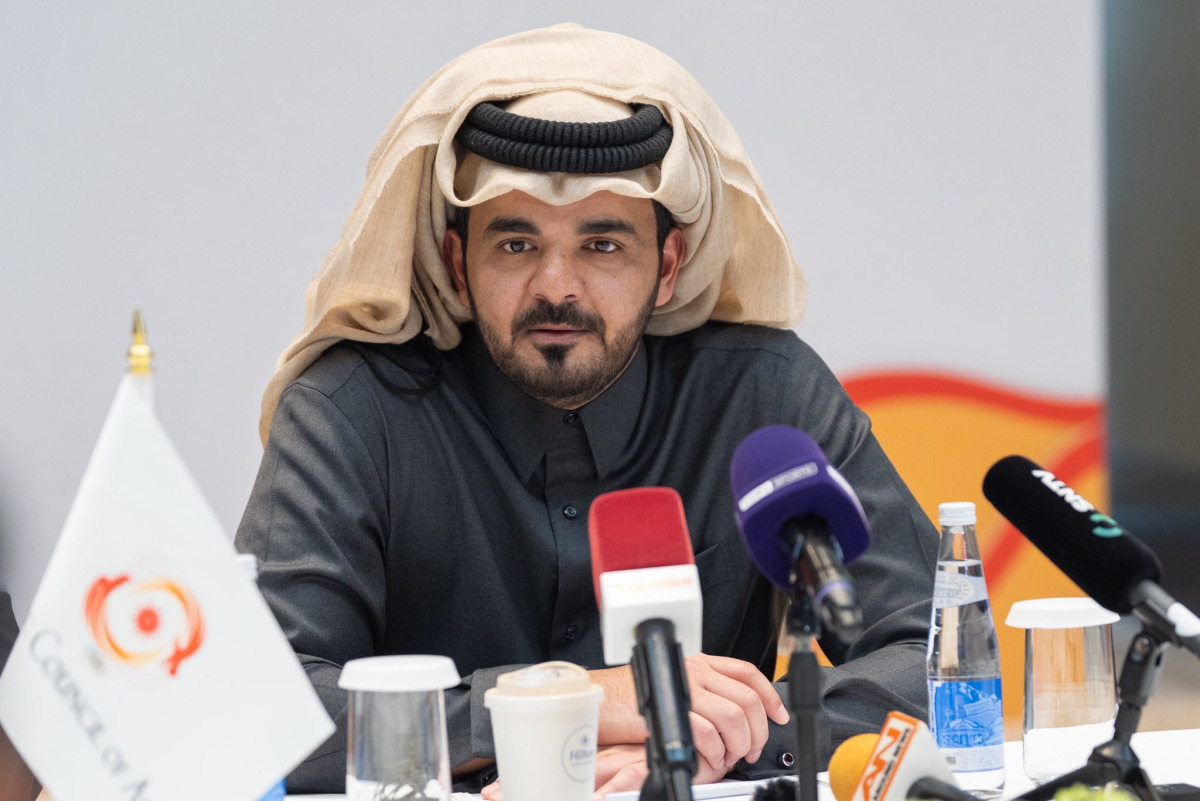

Sheikh Joaan bin Hamad Al-Thani has been elected President of the Olympic Council of Asia (OCA), pledging to prioritize athlete development and modernize sports administration across the continent. The election took place during the OCA’s 46th General Assembly in Tashkent, Uzbekistan, on December 27, 2023. His leadership is expected to focus on leveraging technology and fostering collaboration to elevate Asian Games and support the 45 national Olympic committees.
Sheikh Joaan’s Vision for the Olympic Council of Asia
The newly appointed President emphasized a commitment to serving all member nations with transparency and dedication. He stated his intention to create optimal conditions for Asian athletes to excel and represent the continent with pride on the world stage. This includes a focus on efficient resource management and strengthening financial governance within the OCA, according to statements made at a press conference following the assembly.
Modernizing Sports Administration
A key pillar of Sheikh Joaan’s strategy is the integration of advanced technology into the organization and execution of tournaments. He believes that embracing scientific and technological progress is crucial for advancing the Asian sporting landscape. This approach aims to enhance the athlete experience and improve the overall efficiency of event management.
Focus on Athlete Support and Development
Sheikh Joaan highlighted the importance of investing in athletes and providing them with the necessary resources to succeed. This commitment extends beyond athletic training to include the development of young sports administrators, fostering a new generation of leadership within the OCA. He also acknowledged the vital role of the media in showcasing the achievements of Asian athletes and promoting sports throughout the region.
The OCA President stressed the need to build strong, lasting relationships with all stakeholders, including the International Olympic Committee (IOC). He affirmed the OCA’s commitment to adhering to the IOC’s established systems and standards, ensuring a consistent and credible framework for the Asian Olympic movement. Partnerships with institutions and companies that support athletes and the broader Olympic ecosystem are also being actively sought.
Acknowledging the diverse nature of Asia, Sheikh Joaan framed this diversity as a strength, rather than a challenge. He called for unity and a shared vision among the 45 national Olympic committees to collectively drive the continent’s sporting progress. This collaborative spirit is seen as essential for maximizing the impact of the OCA’s initiatives and achieving its long-term goals.
The election of Sheikh Joaan follows a period of transition for the OCA, after the previous president, Sheikh Ahmad Al-Fahad Al-Sabah, stepped down from his role. His appointment is viewed by many as a sign of stability and a renewed focus on the core principles of the Olympic movement. The OCA has a significant role in organizing and overseeing major multi-sport events like the Asian Games, which are a crucial platform for showcasing the athletic talent of the region.
Looking ahead, the OCA under Sheikh Joaan’s leadership will begin detailed planning for future sporting events, including the next Asian Games. A key area to watch will be the implementation of new technological solutions and the development of programs to support youth and emerging sports. The success of these initiatives will be critical in shaping the future of the Olympic movement in Asia and ensuring its continued growth and relevance.
The OCA will also be closely monitored for its progress in enhancing transparency and financial accountability, as promised by the new President. Further details on specific initiatives and timelines are expected to be released in the coming months, providing a clearer picture of the direction the organization will take under Sheikh Joaan’s guidance. Olympic stakeholders are anticipating a period of modernization and increased collaboration across the Asian continent.