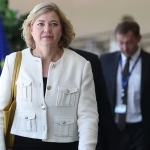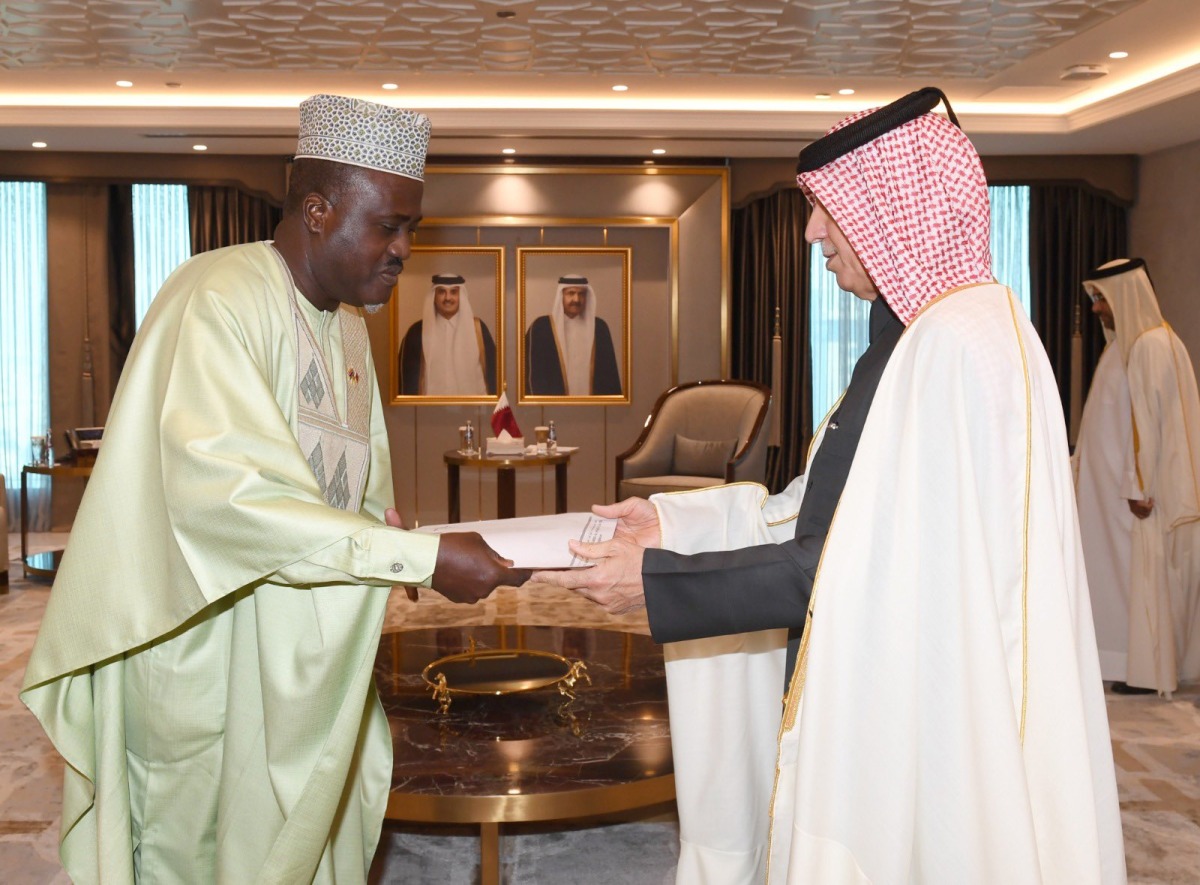

Qatar’s diplomatic ties with The Gambia and Indonesia were further solidified this week with the formal acceptance of new ambassadors. Minister of State for Foreign Affairs HE Sultan bin Saad Al Muraikhi received the credentials from both HE Omar Jah, the Ambassador of The Republic of Gambia, and HE Syahda Guruh Langkah Samudera, the Ambassador of the Republic of Indonesia, in a ceremony held in Doha on Tuesday. This event underscores Qatar’s ongoing efforts to strengthen bilateral relations with key international partners.
The credentialing ceremony took place at the Ministry of Foreign Affairs, marking the official commencement of the ambassadors’ duties in Qatar. The appointments come at a time of increasing global cooperation and strategic partnerships for the Gulf nation. Both ambassadors presented copies of their credentials to Minister Al Muraikhi, signifying their formal recognition by the State of Qatar.
Strengthening Qatar’s Diplomatic Footprint Through Bilateral Relations
The acceptance of these credentials is a standard diplomatic procedure, but it carries significant weight in demonstrating Qatar’s commitment to fostering strong relationships with countries in Africa and Asia. According to the Ministry of Foreign Affairs, Minister Al Muraikhi expressed his wishes for the ambassadors’ success and affirmed Qatar’s dedication to providing all necessary support to enhance cooperation across various sectors.
Qatar has been actively pursuing a strategy of diversifying its international partnerships, moving beyond traditional alliances. This approach is driven by economic considerations, including expanding trade and investment opportunities, as well as a desire to play a more prominent role in global diplomacy and mediation. The country’s focus on foreign policy is increasingly geared towards sustainable development and regional stability.
Qatar-Gambia Relations
Relations between Qatar and The Gambia have been growing in recent years, with a focus on economic and humanitarian aid. Qatar has provided support for infrastructure projects and educational initiatives in The Gambia, contributing to the West African nation’s development goals. The appointment of Ambassador Jah is expected to further facilitate these collaborations.
Qatar-Indonesia Relations
Indonesia and Qatar share a long-standing relationship rooted in cultural and religious ties. The two countries have significant economic interests, particularly in the energy sector, with Qatar being a major supplier of liquefied natural gas (LNG) to Indonesia. The arrival of Ambassador Samudera is anticipated to boost trade relations and explore new avenues for investment.
Additionally, Qatar and Indonesia collaborate on counter-terrorism efforts and share similar perspectives on regional security challenges. The increasing frequency of high-level visits and diplomatic engagements between the two nations reflects a mutual desire to deepen their strategic partnership. Qatar’s investment in Indonesia’s infrastructure and digital economy is also noteworthy.
Meanwhile, Qatar’s diplomatic initiatives extend to various areas of mutual interest, including labor migration and cultural exchange. The Ministry of Foreign Affairs consistently emphasizes the importance of respectful and mutually beneficial partnerships with all nations. These engagements are often framed within the context of Qatar’s National Vision 2030, which prioritizes sustainable development and international cooperation.
In contrast to some regional dynamics, Qatar has maintained a relatively consistent approach to building relationships with a diverse range of countries. This strategy is seen by some analysts as a way to mitigate risks and ensure Qatar’s continued access to global markets and resources. The country’s mediation efforts in various conflicts also highlight its commitment to peaceful resolutions.
Looking ahead, the focus will be on the ambassadors initiating their work in Doha and engaging with Qatari officials to identify concrete areas for collaboration. The specific timelines for new agreements or initiatives remain uncertain, dependent on ongoing discussions and evolving geopolitical factors. Observers will be watching for further developments in Qatar’s diplomatic ties with both The Gambia and Indonesia in the coming months, particularly regarding potential investment projects and increased cultural exchange programs.
The success of these relationships will also be measured by their contribution to regional stability and Qatar’s broader foreign policy objectives.