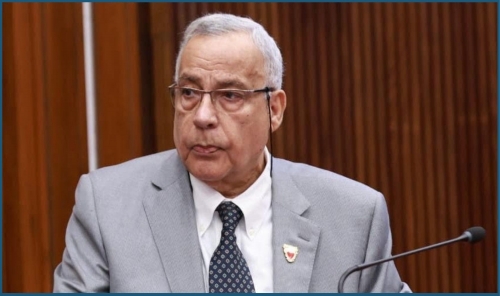

A proposed overhaul of Bahrain’s Civil Service Law, designed to offer reduced working hours and increased annual leave to older government employees, has been decisively rejected by the Shura Council. The unanimous vote on Sunday sends the draft legislation back to Parliament for further consideration, highlighting concerns about fairness, operational efficiency, and budgetary impact. The bill, initially stemming from a parliamentary proposal, aimed to ease the workload for seasoned public servants, but faced strong opposition from the legislative body’s Legal and Legislative Affairs Committee.
The Proposed Amendments to the Civil Service Law
The draft amendments to Decree-Law No. 48 of 2010 centered around a tiered system of benefits based on age. Employees reaching 50 years of age would have been entitled to one hour less work per day and 35 days of annual leave. This would increase to a two-hour reduction and 40 days’ leave for those aged 55, and finally, a three-hour reduction and 45 days’ leave for employees 60 and over.
The intention behind the proposal was to recognize the contributions of long-serving employees and potentially improve their work-life balance as they approach retirement. However, the Shura Council’s response indicates significant reservations about the practicality and equity of such a system.
Shura Council Cites Concerns Over Discrimination and Efficiency
The Legislative and Legal Affairs Committee delivered a strong recommendation against the bill, arguing it was fundamentally flawed in its approach to public service. Rapporteur Dr. Ahmed Al Arrayed presented the committee’s findings, emphasizing that the proposal “creates discrimination between employees on the basis of age, even where their legal positions are the same.”
This concern over age-based discrimination was a central pillar of the rejection. The committee argued that benefits should be tied to competence and job performance, not simply the number of years an employee has served. Additionally, they expressed worry that enshrining these specific rules in primary legislation would limit the flexibility needed to manage the civil service effectively. Currently, details regarding attendance, departure times, and leave are managed through executive regulations, allowing for adjustments based on the needs of individual government bodies.
Impact on Service Delivery and the National Budget
Beyond the issue of fairness, the committee raised serious concerns about the potential impact on service delivery and the national budget. A reduction in working hours across a significant portion of the workforce could lead to staffing shortages and delays in providing essential public services.
Furthermore, the increased annual leave entitlement would likely necessitate hiring temporary staff or redistributing workloads, both of which would incur additional costs. The committee believed these financial implications had not been adequately addressed in the draft legislation. The potential for disruption to government operations was a key factor in their decision.
Divergence from Private Sector Labour Law
Another critical point raised by the Shura Council was the widening gap between the Civil Service Law and the Private Sector Labour Law. Currently, both sectors share a base annual leave entitlement of 30 days. The proposed amendments would have significantly increased this for older government employees, creating an unequal benefits structure.
This disparity, the committee argued, could lead to resentment and potentially impact the attractiveness of private sector employment. Maintaining a degree of consistency between the two systems was deemed important for overall economic stability and fairness. The committee also pointed out that Bahrain’s legal definition of “older persons” requiring special care begins at age 60, questioning the rationale for starting benefits at age 50.
Civil Service Bureau Supports Rejection
The Civil Service Bureau (CSB) also voiced its opposition to the draft law, informing the Shura Council that its implementation would be “harmful to operational requirements” and cause “disruption across government bodies.” The CSB highlighted that it already has mechanisms in place for flexible work arrangements, allowing employees to adjust their start times within a reasonable range.
Furthermore, they pointed to Decision No. 1 of 2023, which standardized attendance and departure rules across government entities, suggesting that the proposed amendments were unnecessary and potentially counterproductive. The CSB’s stance provided further weight to the Shura Council’s decision.
Workforce Impact and Future Outlook
Data presented to the Shura Council revealed that approximately 6,575 employees, around 16% of the total workforce, would be eligible for the benefits outlined in the draft Civil Service Law. The majority of these employees (57%) work in education and training, followed by services (26%) and health (17%).
The committee noted that many education staff already benefit from leave arrangements tied to the academic calendar, lessening the impact of the proposed changes. Now, the bill returns to Parliament, where lawmakers will need to address the concerns raised by the Shura Council if they wish to see the amendments reconsidered. The future of this proposal remains uncertain, but the unanimous rejection signals a strong preference for maintaining a merit-based and flexible approach to public sector employment and employee benefits.
This article aims to provide a comprehensive overview of the situation, incorporating the key details and concerns surrounding the proposed changes to the Civil Service Law. It utilizes relevant keywords naturally and is structured for both readability and SEO performance.