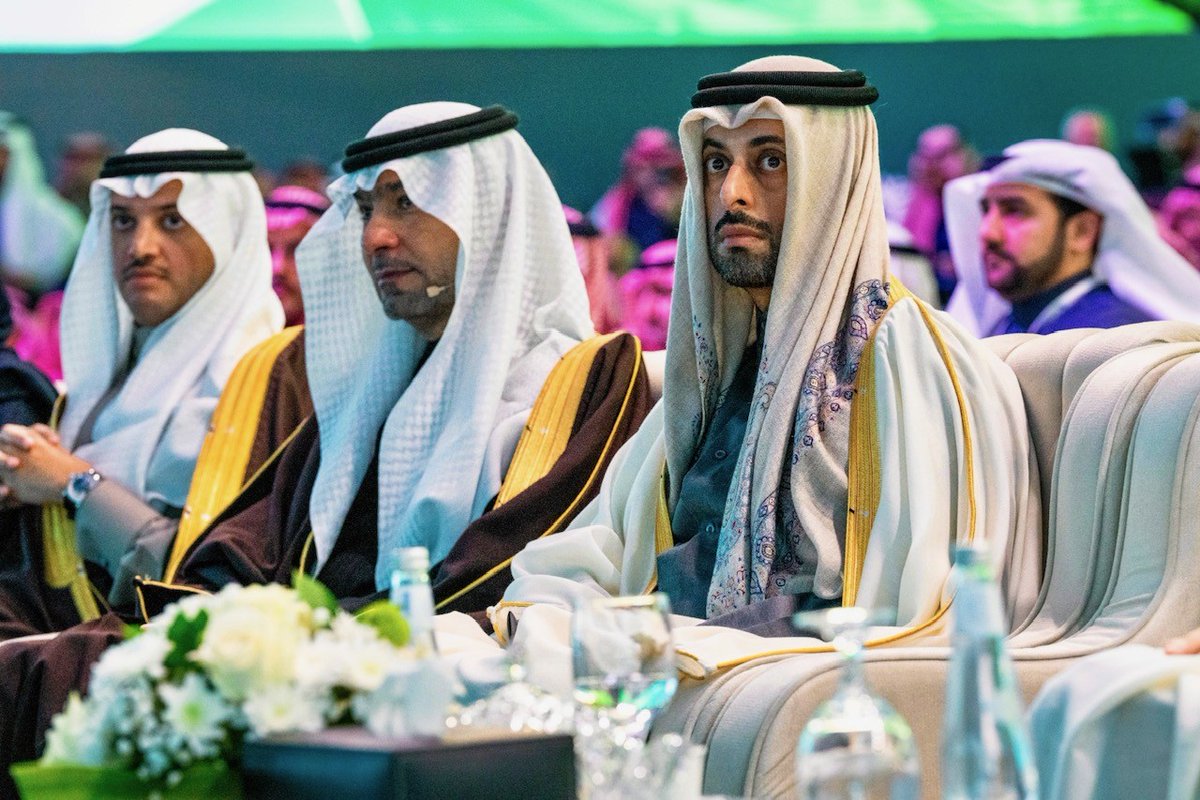

Riyadh, Saudi Arabia – Qatar’s Minister of Municipality, HE Abdullah bin Hamad bin Abdullah Al Attiyah, participated in the opening of the Future Real Estate Forum 2026 this week, held in Riyadh from January 26th to 28th. The forum, themed “Expanding Horizons: Real Estate Thriving,” focuses on the latest trends and opportunities in the global real estate market. The event aims to foster collaboration and knowledge sharing among industry leaders and policymakers.
The Minister’s presence underscores Qatar’s commitment to strengthening regional and international partnerships in real estate development and urban planning. According to the Ministry of Municipality, the forum provides a valuable platform for learning about best practices and supporting the development of cities to meet evolving global standards. The participation of numerous international figures highlights the forum’s growing importance.
The Future of Real Estate in the Gulf Region
The Future Real Estate Forum is a significant event for the Gulf Cooperation Council (GCC) region, which is experiencing rapid urbanization and substantial investment in infrastructure. Saudi Arabia, in particular, is undertaking ambitious projects as part of its Vision 2030 plan, aiming to diversify its economy and attract foreign investment. This includes large-scale urban development initiatives and a focus on sustainable building practices.
HE Al Attiyah attended several panel discussions covering key topics shaping the industry. These included opportunities for non-Saudi ownership of property and the resulting economic impacts, as well as an examination of prominent investment prospects and global market dynamics. The discussions also explored the increasing role of public-private partnerships in driving urban growth.
Key Discussion Points at the Forum
A central theme of the forum was the integration of technology into the property market. Experts discussed how innovations like Building Information Modeling (BIM), artificial intelligence, and blockchain technology are transforming the way cities are planned, constructed, and managed. These technologies are expected to improve efficiency, reduce costs, and enhance the sustainability of urban environments.
Another prominent area of focus was the development of green buildings and sustainable urban practices. With growing concerns about climate change, there is increasing demand for environmentally friendly construction materials and energy-efficient designs. The forum highlighted the importance of incorporating sustainability into all aspects of real estate development to improve quality of life and protect the environment.
The event drew participation from over 140 countries, with approximately 300 speakers representing government, executive leadership, and private sector expertise. This broad representation underscores the global interest in the future of real estate and the opportunities available in the region. The presence of influential figures from both local and international spheres further elevated the forum’s profile.
The increasing openness of the Saudi real estate sector to foreign investment was a recurring topic. Recent regulatory changes have made it easier for non-Saudis to purchase property, which is expected to stimulate demand and attract capital. However, navigating the legal and financial complexities of investing in a new market remains a challenge for some.
Meanwhile, the broader economic context also played a role in the discussions. Global economic uncertainty and fluctuating interest rates are factors that could impact the real estate market in the coming months. The forum provided a space for stakeholders to assess these risks and develop strategies to mitigate their effects.
The Future Real Estate Forum 2026 is expected to conclude with a series of recommendations aimed at promoting sustainable and inclusive urban development. These recommendations will likely be presented to government officials and industry leaders in the region. The long-term impact of the forum will depend on the extent to which these recommendations are implemented and the continued commitment of stakeholders to collaboration and innovation.
Looking ahead, the success of Vision 2030 and similar initiatives in the GCC will be closely watched by investors and developers worldwide. The region’s ability to attract foreign capital and create a vibrant property investment climate will be crucial for its continued economic growth. Further announcements regarding specific projects and policy changes are anticipated in the coming months.