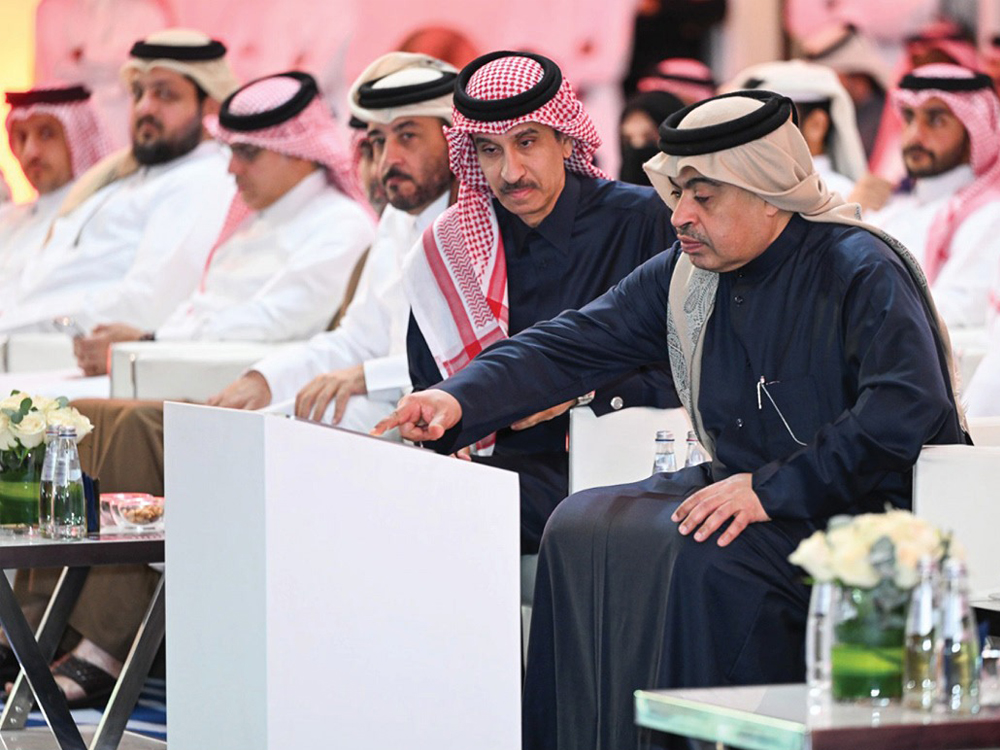

Doha, Qatar – The General Authority of Customs (GAC) in Qatar observed International Customs Day on January 26th, 2026, with a focus on leveraging technology to enhance security and facilitate trade. The event, held under the theme “Customs Protects Society through Vigilance and Commitment,” highlighted the GAC’s recent advancements in customs clearance and its dedication to safeguarding the nation. Minister of Finance HE Ali bin Ahmed Al-Kuwari and GAC Chairman HE Ahmed Abdullah Al-Jamal were among the dignitaries in attendance.
The annual celebration, a global observance coordinated by the World Customs Organization (WCO), recognizes the vital role customs authorities play in maintaining economic stability and societal well-being. This year’s event in Doha showcased the GAC’s achievements over the past year, including improvements to operational efficiency and the implementation of new technologies designed to streamline processes. The GAC also presented key data related to trade volume and seizure statistics from Qatari ports.
Advancing Customs Operations with Artificial Intelligence
A central component of the GAC’s International Customs Day observance was the launch of new artificial intelligence (AI) services integrated into the Al-Nadeeb Customs Clearance System. These AI applications are intended to automate tasks, reduce the potential for human error, and improve the overall accuracy of data used in trade facilitation. According to the GAC, the implementation of AI will also support more informed decision-making through advanced data analytics.
Benefits of AI Integration
The integration of AI into the Al-Nadeeb system is expected to yield several benefits for both the GAC and businesses involved in international trade. These include faster processing times for shipments, enhanced risk management capabilities, and increased transparency in border control procedures. The GAC anticipates a reduction in delays and associated costs for importers and exporters.
The move towards AI-driven solutions aligns with Qatar’s broader national vision for economic diversification and technological advancement. The country has been actively investing in digital infrastructure and promoting the adoption of innovative technologies across various sectors, including logistics and trade. This initiative also supports the WCO’s call for modernizing customs practices globally.
The GAC’s commitment to modernization extends beyond AI. The authority reported on ongoing developmental projects aimed at simplifying import and export regulations and improving the user experience for traders. These projects include upgrades to port facilities and the implementation of electronic payment systems.
During the ceremony, the GAC also took the opportunity to recognize the contributions of its employees. Awards were presented to outstanding inspectors, long-serving staff members, and retiring personnel. Additionally, partner government agencies and private sector companies were honored for their collaboration in supporting the GAC’s mission.
The recognition of partner entities underscores the importance of cross-sector cooperation in effective trade security. The GAC works closely with various stakeholders, including the Ministry of Commerce and Industry, the Ministry of Interior, and Qatar Airways, to ensure the smooth flow of goods while maintaining a high level of security.
Looking ahead, the GAC is expected to continue expanding its use of AI and other advanced technologies to further enhance its capabilities. The authority has not yet announced specific timelines for future implementations, but officials have indicated a commitment to ongoing innovation. Monitoring the impact of the newly launched AI services on customs efficiency and security will be a key focus in the coming months, as will assessing the need for further investment in digital infrastructure.
The success of these initiatives will be crucial for Qatar as it seeks to solidify its position as a regional hub for trade and logistics. The GAC’s ongoing efforts to modernize and streamline its operations are expected to contribute significantly to the country’s economic growth and competitiveness.