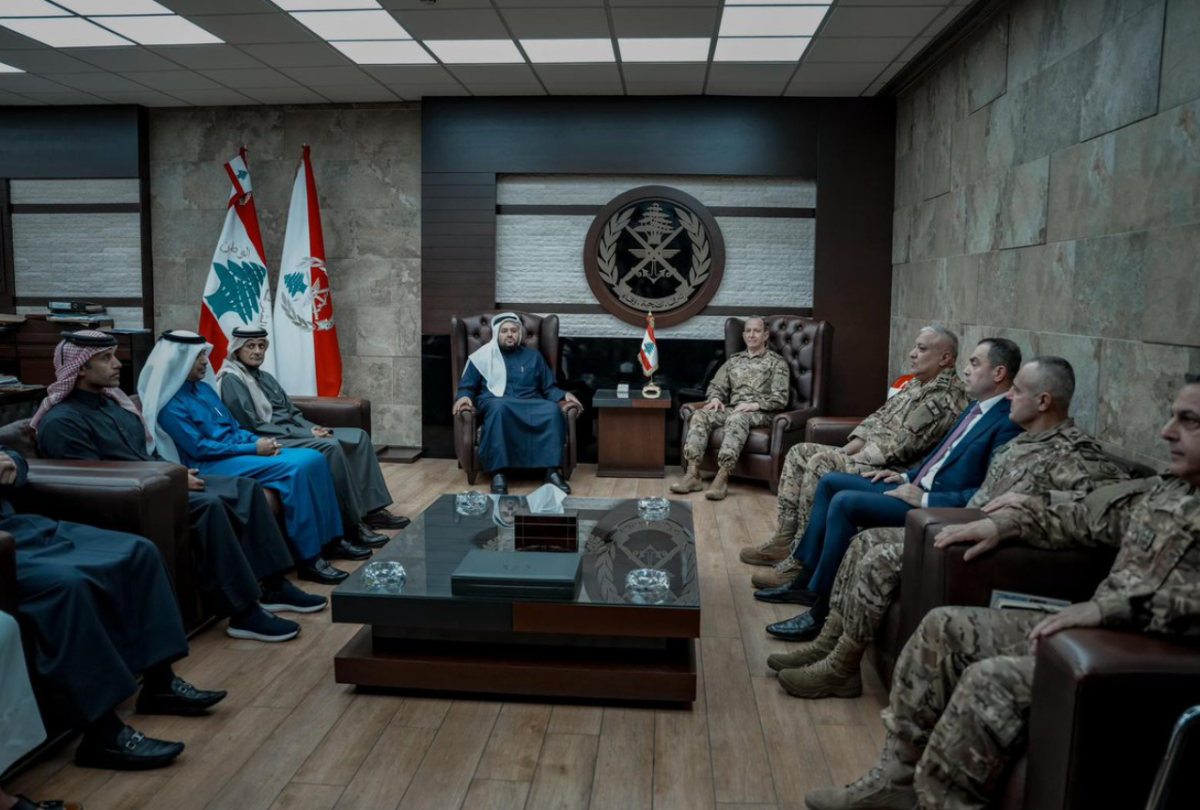

Qatar and Lebanon reaffirmed their commitment to strengthening bilateral ties during a meeting in Beirut on Monday between Qatari Minister of State at the Ministry of Foreign Affairs, HE Dr. Mohammed bin Abdulaziz bin Saleh Al Khulaifi, and Lebanese Parliament Speaker Nabih Berri. The discussions focused on Qatar-Lebanon relations and regional developments, signaling continued Qatari support for stability in the region. The meeting underscores Qatar’s ongoing diplomatic efforts in the Middle East.
The meeting, held in Beirut, addressed a range of issues impacting both nations, including economic challenges and political stability. According to a statement released by the Qatari Ministry of Foreign Affairs, both officials emphasized the importance of collaboration to address shared concerns. This visit follows a period of increased engagement between Doha and Beirut, reflecting a mutual desire for closer cooperation.
Strengthening Qatar-Lebanon Relations
The primary focus of the meeting was to review and enhance the existing Qatar-Lebanon relations. Both Dr. Al Khulaifi and Speaker Berri reportedly discussed avenues for increased investment and economic support from Qatar to Lebanon. This comes at a critical time for Lebanon, which is grappling with a severe economic crisis and political deadlock.
Economic Support and Investment
Lebanon’s economic situation has been deteriorating for several years, marked by currency devaluation, hyperinflation, and widespread poverty. Qatar has previously provided assistance to Lebanon, and this meeting suggests a willingness to explore further opportunities for economic cooperation. The specifics of potential investments were not disclosed, but discussions likely centered on infrastructure projects and support for key sectors.
Political Developments in Lebanon
The meeting also addressed the latest political developments in Lebanon, including the ongoing presidential vacuum. Lebanon has been without a president since Michel Aoun’s term ended in October 2022, hindering the country’s ability to address its pressing challenges. Qatar has consistently advocated for a stable and functioning Lebanese government, and Dr. Al Khulaifi’s visit reinforces this position.
However, the political landscape in Lebanon remains complex, with deep divisions among various factions. Reaching a consensus on a new president has proven difficult, and external actors, including Qatar, are attempting to facilitate dialogue and compromise. The situation is further complicated by regional tensions and the ongoing conflict in Syria, which has significant spillover effects on Lebanon.
Additionally, the discussions touched upon regional security concerns, including the situation in Syria and the broader Middle East peace process. Qatar and Lebanon share a common interest in promoting stability and preventing further escalation of conflicts in the region. The two officials reportedly exchanged views on how to address these challenges and foster a more peaceful and secure environment. Al Jazeera reported on similar diplomatic efforts in November 2023.
Meanwhile, Qatar’s role in mediating regional disputes is well-established. The country has played a key role in facilitating negotiations between various parties in conflicts across the Middle East, and its engagement with Lebanon is part of a broader strategy to promote dialogue and reconciliation. This diplomatic approach is often seen as a way to de-escalate tensions and prevent further violence.
In contrast to some other regional actors, Qatar maintains relatively open communication channels with a wide range of political groups in Lebanon, including Hezbollah. This allows Doha to engage with all stakeholders and advocate for a comprehensive solution to the country’s challenges. This approach, however, has drawn criticism from some quarters.
Looking ahead, further discussions between Qatari and Lebanese officials are expected in the coming weeks. The focus will likely be on translating the commitments made during the meeting into concrete actions, particularly in the area of economic support. The timeline for any significant investments or policy changes remains uncertain, and will depend on the evolving political situation in Lebanon and the broader regional context. Monitoring Lebanon’s political progress and Qatar’s continued engagement will be crucial in assessing the long-term impact of this diplomatic initiative. The Peninsula also covered the meeting.
Secondary keywords used: Lebanese Parliament, regional stability, economic crisis.