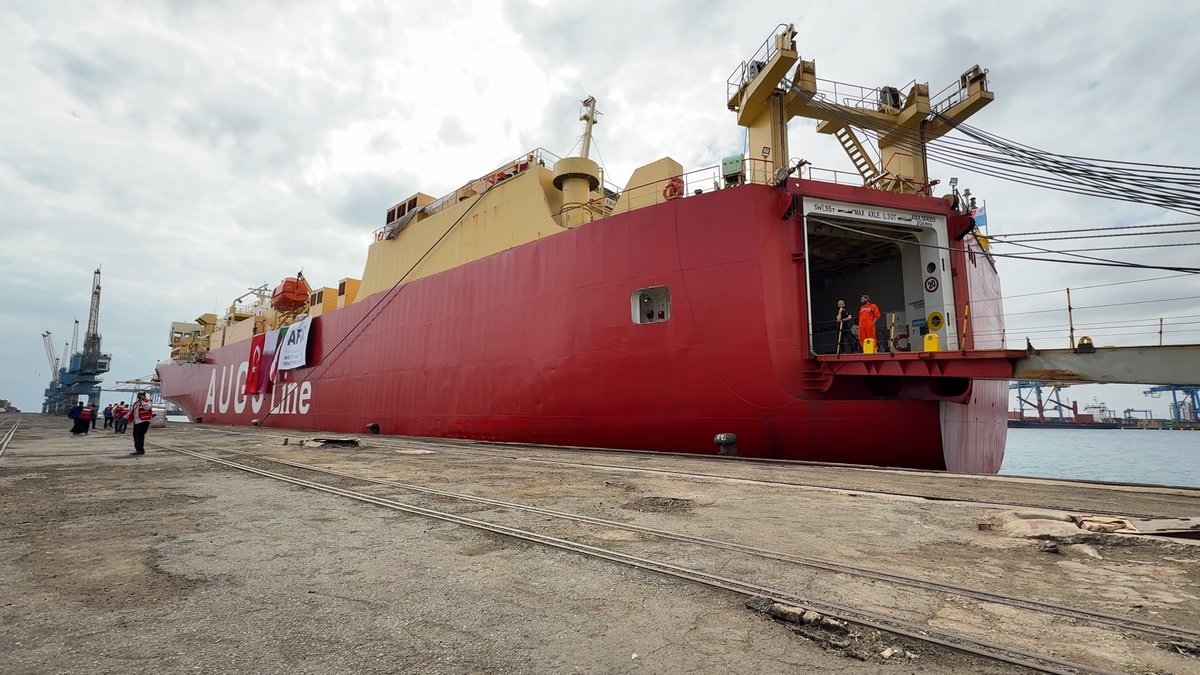

A significant shipment of humanitarian aid, totaling 2,428 metric tons, has arrived in Sudan from Qatar and Türkiye, addressing the escalating needs of communities impacted by the ongoing conflict. The aid delivery, a collaborative effort between the Qatar Fund for Development (QFD) and the Turkish Disaster and Emergency Management Authority (AFAD), represents a continued commitment to supporting the Sudanese people during this crisis. The vessel arrived in Sudan recently, with distribution efforts already underway.
Abdullah Rashid Al-Kashashi Al-Muhannadi, Chargé d’Affaires at the Embassy of the State of Qatar to Sudan, received the shipment. The supplies include vital necessities such as food, clothing, shelter materials like tents and blankets, and essential household items, intended for vulnerable populations and those displaced by the fighting. This delivery is part of a larger, coordinated international response to the worsening situation in Sudan.
Qatar and Türkiye Deliver Critical Humanitarian Aid to Sudan
The conflict in Sudan, which erupted in April 2023 between the Sudanese Armed Forces (SAF) and the paramilitary Rapid Support Forces (RSF), has triggered a severe humanitarian crisis. Millions have been displaced both internally and as refugees to neighboring countries, facing shortages of food, water, and medical care. The United Nations estimates that over 25 million people, more than half of Sudan’s population, are now in need of assistance.
According to the UN, the fighting has severely disrupted agricultural production and supply chains, exacerbating food insecurity. The World Food Programme (WFP) has warned of a looming famine if aid deliveries are not significantly increased and sustained. This latest contribution from Qatar and Türkiye is therefore particularly timely and crucial.
Collaboration for Effective Relief
The partnership between QFD and AFAD highlights the importance of international cooperation in responding to complex emergencies. Both organizations have extensive experience in delivering disaster relief and reconstruction assistance globally. This coordinated approach aims to maximize the impact of the aid and ensure it reaches those who need it most efficiently.
Qatar has a long history of providing assistance to Sudan, focusing on development projects in areas such as education, health, and infrastructure. Türkiye has also been a key partner, offering both humanitarian aid and diplomatic support to help resolve the conflict. This joint effort builds on existing relationships and demonstrates a shared commitment to stability in the region.
The aid shipment’s contents are specifically tailored to address the immediate needs of those affected by the conflict. Tents and blankets are vital for providing shelter to the displaced, while food supplies are essential to combatting rising hunger levels. Basic household items will help families rebuild their lives as they attempt to return to their communities or establish themselves in new locations.
However, access remains a significant challenge for aid organizations operating in Sudan. Ongoing fighting and bureaucratic obstacles hinder the delivery of assistance to many areas, particularly those controlled by the RSF. Security concerns also limit the ability of humanitarian workers to reach vulnerable populations. The situation is further complicated by the breakdown of essential services, including healthcare and sanitation.
The delivery of this humanitarian assistance is expected to provide immediate relief to a substantial number of people. QFD stated its commitment to continuing support for crisis-affected populations and working with partners to strengthen resilience. The organizations are coordinating with local authorities and other aid agencies to ensure the effective distribution of the supplies.
Looking ahead, the situation in Sudan remains highly volatile and unpredictable. The success of ongoing aid efforts will depend on securing sustained access to all affected areas and addressing the root causes of the conflict. International pressure for a ceasefire and a return to political dialogue is crucial. Further aid pledges and deliveries are anticipated in the coming weeks, but the long-term needs of Sudan will require a comprehensive and sustained response.
The UN Security Council is scheduled to review the situation in Sudan later this month, and any new resolutions or directives will be a key factor to watch.