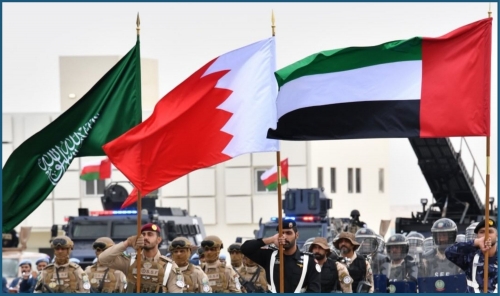

The pursuit of regional stability and enhanced security cooperation remains a top priority for Gulf nations. Recent events underscore the importance of coordinated efforts to address evolving threats, and the “Arabian Gulf Security 4” exercise, hosted by Qatar and attended by high-ranking officials like Major General Shaikh Hamad bin Mohammed Al Khalifa, exemplifies this commitment to Gulf security cooperation. This joint field exercise signifies a proactive approach to safeguarding the region and bolstering the capabilities of participating security agencies.
Strengthening Regional Ties Through Joint Exercises
The “Arabian Gulf Security 4” exercise is not an isolated event, but rather a continuation of a series of collaborative initiatives designed to improve the collective security posture of the Gulf Cooperation Council (GCC) countries. Major General Shaikh Hamad bin Mohammed Al Khalifa, Deputy Chief of Police, represented Bahrain at the opening ceremony, highlighting the nation’s dedication to these partnerships. His presence underscores the significance Bahrain places on working alongside its neighbors to maintain peace and stability.
The exercise’s very existence demonstrates a shared understanding of the complex challenges facing the region. These challenges range from traditional security concerns to emerging threats like cybercrime and terrorism. By training together, security forces from different nations can overcome logistical hurdles, standardize procedures, and build the trust necessary for effective collaboration in real-world scenarios.
The Importance of Interoperability
A key focus of these joint exercises is interoperability. This refers to the ability of different security agencies to seamlessly work together, sharing information and coordinating responses. Achieving true interoperability requires more than just compatible equipment; it demands a common understanding of tactics, protocols, and legal frameworks. “Arabian Gulf Security 4” provides a crucial platform for fostering this understanding and refining collaborative strategies.
Bahrain’s Commitment to GCC Security Initiatives
Major General Shaikh Hamad bin Mohammed Al Khalifa explicitly stated that Bahrain’s participation is a direct result of the directives from Their Highnesses and Excellencies, the Ministers of Interior of the GCC countries. This demonstrates a clear top-down commitment to regional security and a willingness to implement agreed-upon strategies. Bahrain has consistently been a strong advocate for unified action within the GCC, recognizing that collective security is far more effective than individual efforts.
This participation isn’t merely symbolic. Bahrain actively contributes personnel, expertise, and resources to these exercises, ensuring that its security forces are well-prepared to respond to a wide range of potential threats. The Ministry of Interior’s involvement showcases a proactive investment in the future security of the region. Furthermore, it allows Bahraini officers to learn from the best practices of their counterparts in other GCC nations, enhancing their skills and knowledge.
Qatar’s Role as Host and Facilitator
The State of Qatar’s hosting of “Arabian Gulf Security 4” is a testament to its commitment to regional stability and its capacity to organize and facilitate complex multinational events. Major General Shaikh Hamad bin Mohammed Al Khalifa, on behalf of the Bahraini delegation, extended sincere thanks to the Qatari Ministry of Interior for their warm hospitality and the excellent organization of the exercise.
This level of organization is critical for the success of such initiatives. It requires meticulous planning, logistical support, and a dedication to ensuring that all participants have the resources they need to effectively engage in the training scenarios. Qatar’s ability to deliver on these fronts reinforces its position as a key player in regional security preparedness. The smooth execution of the exercise also fosters goodwill and strengthens diplomatic ties between the participating nations.
Enhancing Response Capabilities
The exercise likely involved a variety of simulated scenarios, designed to test the response capabilities of the participating forces. These scenarios could include counter-terrorism operations, border security drills, and responses to natural disasters. By practicing these responses in a realistic environment, security agencies can identify weaknesses in their procedures and develop more effective strategies. This ultimately translates to a greater ability to protect citizens and infrastructure in the event of a real crisis. Regional security benefits directly from these practical training sessions.
Looking Ahead: Continued Collaboration for a Secure Future
The conclusion of “Arabian Gulf Security 4” marks not an end, but a continuation of the ongoing efforts to strengthen Gulf security cooperation. Major General Shaikh Hamad bin Mohammed Al Khalifa expressed his hope for the exercise to achieve its intended objectives, signaling a belief in the value of these collaborative initiatives.
The challenges facing the Gulf region are constantly evolving, requiring a dynamic and adaptable approach to security. Continued investment in joint exercises, information sharing, and capacity building will be essential to maintaining peace and stability in the years to come. Furthermore, exploring new avenues for collaboration, such as joint intelligence gathering and cybersecurity initiatives, will be crucial for addressing emerging threats. Ultimately, a unified and proactive approach to regional security is the best way to ensure a safe and prosperous future for all Gulf nations.