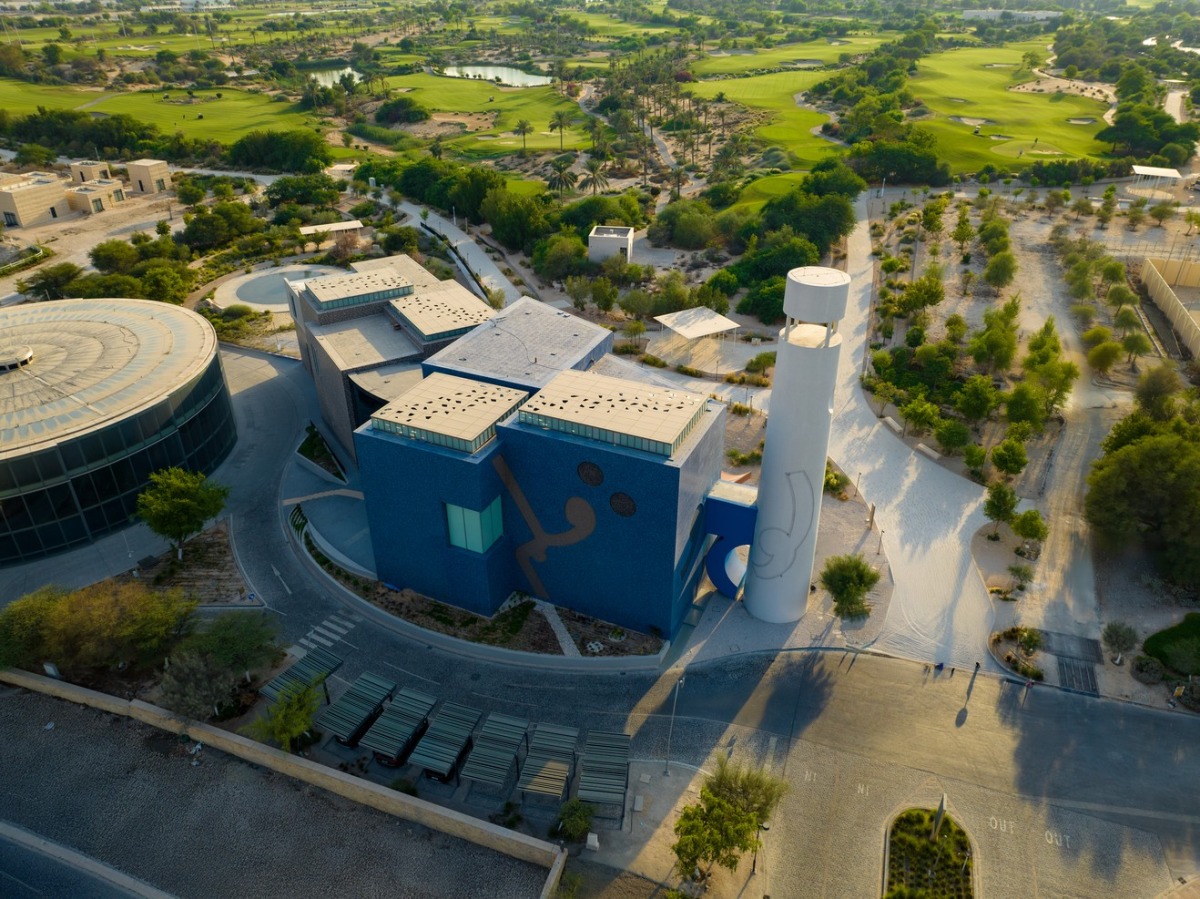

Doha, Qatar – As the world observes the International Day of Education on January 24th, a growing emphasis is being placed on learning environments beyond traditional classrooms. Cultural institutions, particularly museums, are increasingly recognized for their potential to foster education through immersive experiences and creative engagement. In Qatar, this trend is exemplified by initiatives like the Learning and Outreach Programme at the Lawh Wa Qalam: M. F. Husain Museum, part of the broader educational ecosystem within Education City.
The shift towards utilizing museums as educational spaces reflects a global understanding of the diverse ways people learn. Traditional education focuses on structured curricula and assessment, while museums offer opportunities for self-directed exploration and critical thinking. This approach is gaining traction as educators seek to complement formal learning with more experiential and engaging activities.
The Role of Museums in Education
Museums are evolving from repositories of artifacts to dynamic centers of learning. They provide a unique setting for individuals of all ages to connect with history, art, science, and culture in a tangible way. This hands-on approach can enhance understanding and retention, particularly for subjects that benefit from visual or contextual learning.
The Lawh Wa Qalam museum, dedicated to the work of renowned Indian artist M. F. Husain, actively promotes this philosophy. Its new Learning and Outreach Programme centers on guided observation within the galleries, followed by practical workshops designed to build upon those observations. These workshops cater to a wide audience, including school groups, families, and the general public.
Expanding Learning Beyond the Classroom
School visits to the museum are specifically designed to extend classroom lessons. For example, students studying movement in art may analyze Husain’s techniques and then experiment with their own gestural drawings. This integration of museum experiences with academic curricula aims to provide a more holistic and enriching educational experience.
Family programs at the museum encourage intergenerational learning and creative exchange. These sessions provide a shared space for adults and children to explore art together, fostering dialogue and inspiring new perspectives. The museum emphasizes that learning is a process of discovery, not simply the acquisition of facts.
The program’s curriculum is tailored to different age groups. Younger children focus on fundamental visual elements like color and shape, while older participants grapple with more complex themes such as identity and social commentary. This tiered approach ensures that the museum’s educational offerings remain relevant and challenging for all learners, promoting art education and critical thinking.
However, the museum’s educational impact extends beyond its core programming. A collaborative effort with Mathaf: Arab Museum of Modern Art is currently underway, focusing on the intersection of art, wellbeing, and mental health. This initiative includes workshops and public discussions featuring artists, healers, and clinicians, exploring the therapeutic potential of creative practice.
Jowaher Al Marri, Manager of Communications Outreach at Qatar Foundation, highlighted the unique value of museums as learning spaces. She stated that museums encourage curiosity, interpretation, and independent thought by providing an environment where visitors can slow down, question, and build their own meaning through observation and creative response. This supports the broader goals of cultural enrichment within Qatar.
The success of these initiatives hinges on continued collaboration between educational institutions and cultural organizations. Funding and resource allocation will also be crucial for sustaining and expanding these programs. Looking ahead, the museum plans to evaluate the impact of its Learning and Outreach Programme through participant feedback and assessment of learning outcomes. Further expansion of interdisciplinary collaborations, like the one with Mathaf, is also anticipated, though specific timelines remain uncertain. The ongoing development of these programs will likely inform future strategies for integrating museums into the national education landscape.