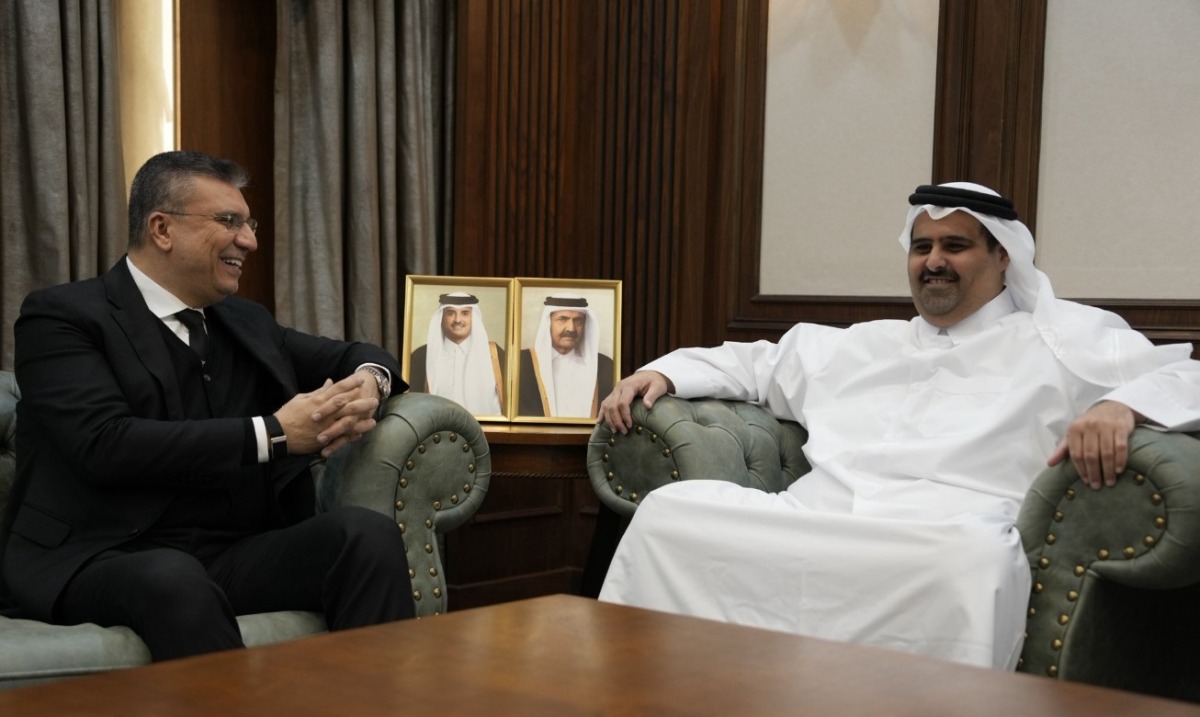

Doha, Qatar – A meeting between Sheikh Khalid bin Abdulaziz bin Jassim Al-Thani, CEO of the Qatar Media Corporation (QMC), and Dr. Amr Al-Laithi, President of the Union of Radio and Television Organizations of the Organization of Islamic Cooperation (OIC), took place today in Doha. The discussions centered on strengthening media cooperation between QMC and the OIC, with a focus on collaborative projects and institutional development. This meeting signals a continued effort to enhance media landscapes within the Islamic world.
The official visit and subsequent talks occurred at the QMC headquarters. While specific details of the agreements reached haven’t been publicly released, the meeting’s agenda reportedly included strategies for joint media production and the exchange of expertise in broadcasting technologies. This initiative aligns with Qatar’s broader strategy to play a prominent role in regional media development.
Strengthening Qatar’s Role in Regional Media Cooperation
Qatar has consistently invested in its media infrastructure and actively sought partnerships to elevate its position as a regional media hub. The Qatar Media Corporation, established in 2023, consolidates several state-owned media outlets, including Qatar Television, Qatar Radio, and the Qatar News Agency. This consolidation aims to improve efficiency and coordination in national broadcasting and news dissemination.
The Union of Radio and Television Organizations of the OIC represents a significant platform for media cooperation among member states. It works to promote Islamic values and cultural understanding through radio and television programming. Dr. Al-Laithi’s visit underscores the importance of Qatar as a key partner within this framework.
Focus Areas for Collaboration
The discussions likely encompassed several key areas for future collaboration. These include:
Joint production of documentaries and cultural programs showcasing Islamic heritage. This could involve co-financing and sharing of production resources.
Training and development programs for media professionals from OIC member states. Qatar’s advanced media facilities and expertise could be leveraged to enhance skills in areas like digital broadcasting and journalism.
Exchange of news and information to provide more comprehensive coverage of events within the Islamic world. This could lead to a more balanced and informed perspective on regional issues.
However, the specifics of these collaborations remain to be formalized. The OIC has been working to modernize its media strategy to address the challenges of the digital age, and Qatar’s involvement could be crucial in this process.
Additionally, the meeting touched upon the evolving landscape of digital media and the need for Islamic media organizations to adapt to new technologies. The rise of social media and online streaming platforms presents both opportunities and challenges for disseminating information and promoting cultural values. Qatar has been actively exploring innovative approaches to digital content creation and distribution, which could be shared with other OIC members.
Meanwhile, the importance of responsible journalism and combating misinformation was also reportedly addressed. The spread of fake news and biased reporting poses a threat to social cohesion and can undermine trust in media institutions. Developing ethical guidelines and promoting media literacy are essential steps in addressing this challenge.
In contrast to some regional media environments, Qatar maintains a relatively open media landscape, although it is subject to certain regulations. This openness could be an attractive factor for the OIC, seeking partners willing to engage in constructive dialogue and collaboration. The country’s investment in infrastructure, such as the state-of-the-art facilities used during the FIFA World Cup 2022, also positions it as a leader in broadcasting technology.
The potential benefits of this strengthened media partnership extend beyond Qatar and the OIC member states. Increased collaboration could lead to a more diverse and nuanced representation of Islamic cultures and perspectives on the global stage. It could also foster greater understanding and cooperation between different communities. The development of high-quality media content could attract wider audiences and promote cultural exchange.
Looking ahead, the QMC and the OIC are expected to establish a joint working group to develop a detailed action plan for implementing the agreed-upon initiatives. A timeline for the completion of this plan has not been announced, and the specific projects that will be prioritized remain uncertain. Observers will be watching to see how this partnership evolves and whether it leads to tangible improvements in the quality and reach of Islamic media.
The Organization of Islamic Cooperation represents 57 member states with a collective population exceeding 1.8 billion. Further details regarding the outcomes of the meeting are anticipated in the coming weeks, potentially through official statements from both the QMC and the OIC.