
Ukrainian President Volodymyr Zelenskyy has intensified calls for increased air defence support from Western allies as Russia continues its attacks on critical infrastructure. The latest strikes have left hundreds of buildings in Kyiv without heating or electricity amid freezing winter conditions, exacerbating the humanitarian situation. Zelenskyy’s plea comes following talks in Abu Dhabi aimed at de-escalating the nearly four-year conflict.
Speaking in Vilnius on Sunday, while attending a commemoration event, Zelenskyy detailed the scale of recent Russian attacks. He stated that over 1,700 drones, 1,380 guided aerial bombs, and 69 missiles have been launched in the past week alone, highlighting the urgent need for bolstered air defence capabilities. The situation is particularly dire in Kyiv, where approximately half a million residents have been urged to evacuate.
The Critical Need for Air Defence in Ukraine
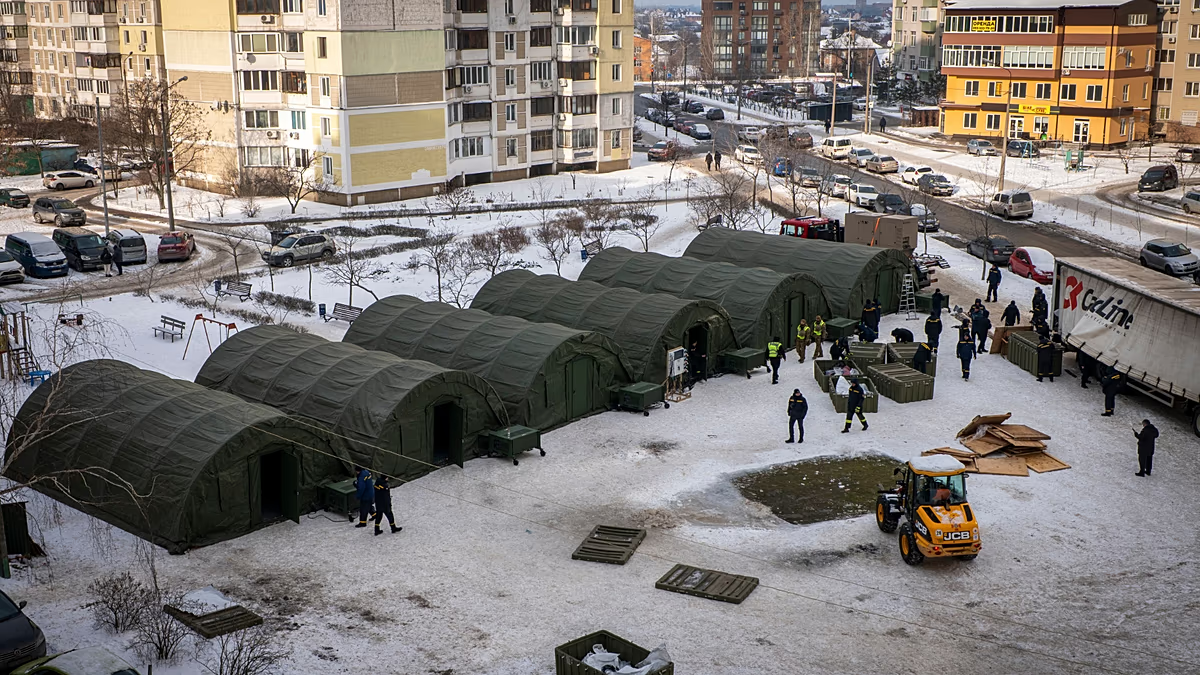
The ongoing Russian campaign targeting Ukraine’s energy infrastructure has intensified during the winter months, causing widespread disruptions and hardship. According to Mayor Vitali Klitschko, over 1,676 high-rise buildings in Kyiv are currently without heating following attacks on January 24th. Repair efforts are significantly hampered by sub-zero temperatures and the constant threat of further strikes.
This winter is being described by Ukrainian officials as the most challenging yet, with the attacks deliberately aimed at weakening the country’s resilience as temperatures plummet. The repeated targeting of energy facilities raises concerns about potential long-term damage and the ability to provide essential services to the population. The conflict has also led to a significant internal displacement crisis, with many Ukrainians seeking refuge in safer regions.
Recent Diplomatic Efforts
Representatives from the United States, Russia, and Ukraine convened in Abu Dhabi on Friday and Saturday for negotiations intended to find a path towards ending the war. While these talks did not yield an immediate breakthrough, Zelenskyy characterized them as “constructive,” noting that both sides agreed to reconvene in the United Arab Emirates as early as next week. Reuters reports that the discussions focused on potential prisoner swaps and exploring avenues for a broader ceasefire.
However, significant obstacles remain in reaching a lasting resolution. Russia continues to demand guarantees regarding Ukraine’s neutrality and the status of occupied territories, while Ukraine insists on the restoration of its territorial integrity and accountability for alleged war crimes. The provision of military aid, including advanced weaponry, remains a contentious issue.
Impact on Civilian Population
The lack of heating and electricity is creating increasingly difficult conditions for civilians, particularly the elderly and vulnerable populations. Humanitarian organizations are working to provide emergency assistance, including blankets, warm clothing, and temporary shelter, but the scale of the need is immense. The ongoing attacks are also exacerbating the psychological toll on Ukrainians, who have been living under the shadow of war for nearly four years.
The situation in Kyiv is particularly acute, with the city’s infrastructure strained by the influx of internally displaced persons. Authorities are struggling to provide adequate housing and support services to those who have been forced to flee their homes. The disruption to essential services also poses a risk to public health, as access to clean water and sanitation becomes limited. The broader Ukraine conflict has created a complex humanitarian crisis requiring sustained international attention.
Zelenskyy emphasized the importance of continued international support, specifically requesting additional missile supplies for air defence systems. He stated that collaboration with the United States and Europe is crucial to strengthening Ukraine’s ability to protect its skies. The effectiveness of Ukraine’s air defences is a key factor in mitigating the impact of Russian strikes and safeguarding civilian lives.
As negotiations are set to continue in Abu Dhabi, the focus will likely remain on finding common ground on key security and territorial issues. The immediate priority, however, is to alleviate the suffering of the Ukrainian people and ensure access to essential services during the harsh winter months. Monitoring the progress of diplomatic efforts and the delivery of critical military aid will be crucial in the coming weeks.