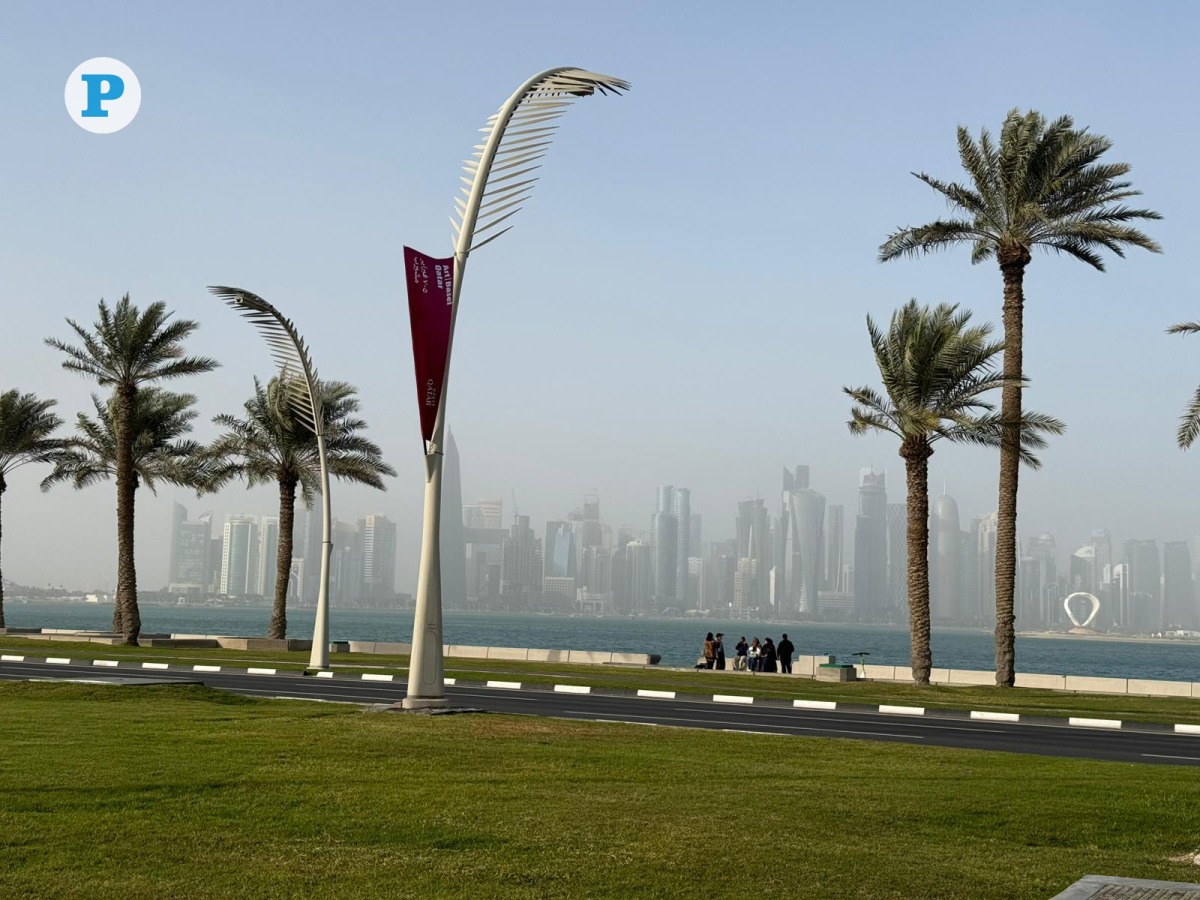

Doha, Qatar is currently experiencing reduced visibility due to a significant dust storm, prompting alerts from the Qatar Meteorology Department. The dust storm, accompanied by strong northwesterly winds, began impacting the country on January 25, 2024, and is particularly affecting western regions. Residents are advised to take precautions as conditions are expected to persist for several hours, potentially disrupting travel and outdoor activities.
The Qatar Meteorology Department initially issued a warning at 11:30 am local time, noting the approach of a large dust mass via satellite imagery. Visibility has dropped to less than 5 kilometers in many areas, with some locations reporting even lower levels. This weather event is causing hazardous conditions for drivers and individuals with respiratory sensitivities.
Understanding the Current Dust Storm in Doha
Dust storms are a common occurrence in Qatar, particularly during the winter months. These storms are typically triggered by strong northwesterly winds that sweep across the Arabian Peninsula, lifting vast quantities of sand and dust into the atmosphere. The current event is notable for its intensity and widespread impact across the country.
Factors Contributing to the Storm
The prevailing weather patterns, including a high-pressure system over the region, are driving the strong winds. Additionally, recent dry conditions and sparse vegetation in surrounding areas have contributed to the availability of loose dust particles. These factors combined have created ideal conditions for the development and propagation of the dust storm.
The impact of the reduced visibility extends beyond road travel. Hamad International Airport and other airfields are monitoring conditions closely, and flights may experience delays or cancellations. Authorities are urging individuals to avoid unnecessary outdoor exposure and to wear masks if they must be outside to protect against dust inhalation. The Peninsula reports ongoing updates from the Meteorology Department.
According to health officials, individuals with asthma, allergies, or other respiratory conditions are especially vulnerable during dust storms. They recommend staying indoors with windows closed and using air purifiers if available. The Ministry of Public Health has also issued guidance on managing symptoms and seeking medical attention if needed.
The strong winds associated with the dust storm are also raising concerns about potential damage to infrastructure. While no major incidents have been reported so far, authorities are on alert for possible disruptions to power lines and other essential services. Residents are advised to secure loose objects outdoors to prevent them from being blown away.
This weather event is similar to other recent dust storms experienced in the Gulf region, including those that affected Saudi Arabia and Kuwait earlier in the month. These regional occurrences highlight the increasing frequency and intensity of such events, potentially linked to climate change and desertification. Al Jazeera Weather provides broader coverage of meteorological events in the Middle East.
The Qatar Meteorology Department continues to monitor the situation closely and will issue further updates as needed. The duration of the dust storm remains uncertain, but current forecasts suggest that conditions may gradually improve by late evening or early tomorrow. Residents should stay informed through official channels and exercise caution during this period of reduced visibility and strong winds. Related concerns include potential impacts on Qatar Airways operations and outdoor construction projects.
Looking ahead, the Meteorology Department will be assessing the dissipation rate of the dust mass and providing revised forecasts. The public is encouraged to follow their official social media accounts and website for the latest information. The long-term effects of this event on air quality and public health will also be monitored in the coming days.