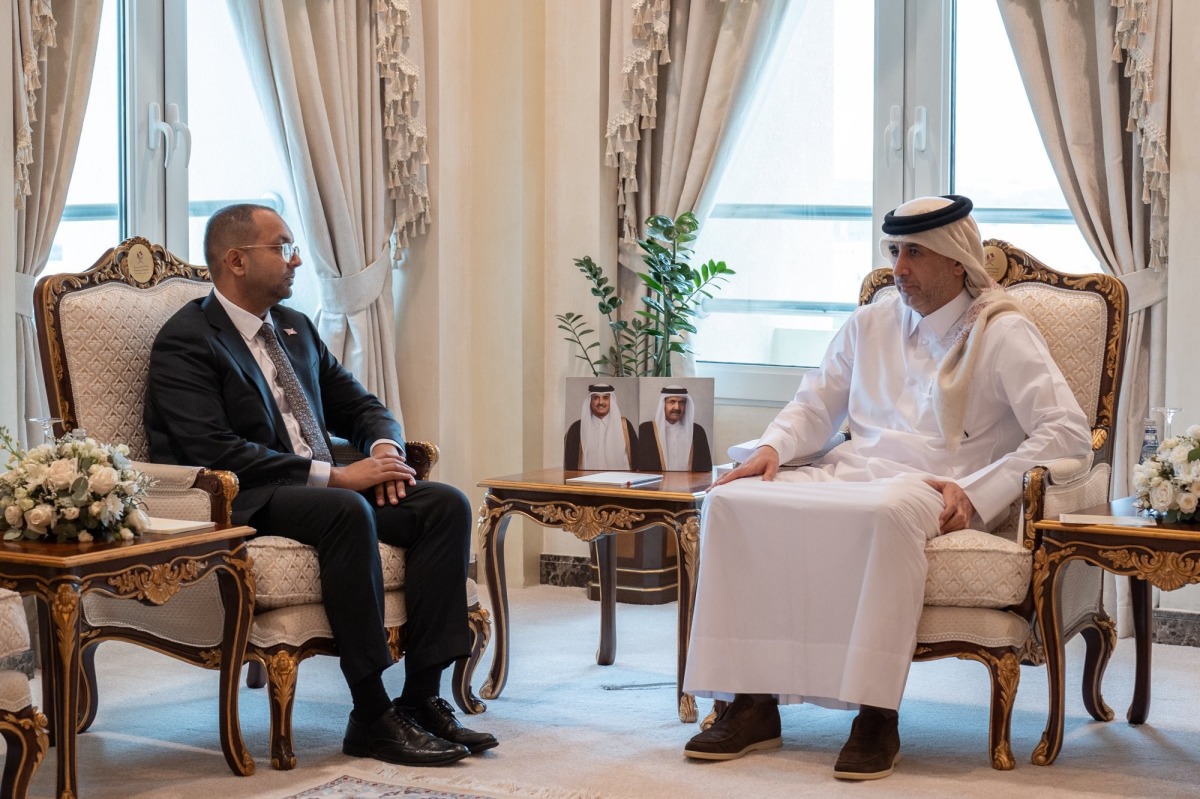

Doha, Qatar – Qatar’s Minister of State for Interior Affairs, Sheikh Abdulaziz bin Faisal bin Mohammed Al Thani, met with the United Kingdom’s Ambassador to Qatar, Neerav Patel, this week to discuss security cooperation and matters of mutual concern. The meeting, held in Doha, signals continued dialogue between the two nations on critical regional and international issues. Discussions focused on strengthening existing partnerships and exploring new avenues for collaboration in the realm of internal security.
The meeting took place on January 25, 2024, at the Ministry of Interior headquarters. While specific details of the conversation were not publicly disclosed, the focus on mutual interest suggests a broad range of topics were addressed, potentially including counter-terrorism efforts, cybersecurity, and border management. This engagement underscores the importance both countries place on maintaining stability and addressing shared challenges.
Strengthening Qatar-UK Security Cooperation
Qatar and the United Kingdom have enjoyed a long-standing relationship characterized by robust diplomatic and economic ties. Security cooperation has been a particularly prominent aspect of this partnership, with both nations recognizing the need for collaborative efforts to address evolving threats. According to the official Qatar News Agency, the meeting aimed to review and enhance these existing arrangements.
The UK has been a key partner in Qatar’s security modernization programs, providing training and equipment to various branches of the Qatari security forces. This assistance is particularly relevant as Qatar prepares to host major international events, requiring heightened security measures. Additionally, the two countries share intelligence on potential threats, contributing to a more comprehensive understanding of regional security dynamics.
Areas of Potential Collaboration
While the specifics remain confidential, potential areas of expanded collaboration likely include advancements in technology for law enforcement and intelligence gathering. Qatar is investing heavily in smart city initiatives and surveillance systems, and the UK possesses significant expertise in these fields. The exchange of best practices in areas like crisis management and disaster response is also a probable topic of discussion.
Furthermore, the two nations are likely coordinating efforts related to the security of maritime routes, given Qatar’s significant role in energy production and the UK’s naval presence in the region. The ongoing situation in the Red Sea and the broader Horn of Africa region likely featured in their conversations, as disruptions to shipping lanes have global implications. The discussion of international security is a consistent theme in Qatar-UK relations.
However, the context of this meeting also includes broader geopolitical considerations. The UK’s strategic interests in the Middle East, coupled with Qatar’s growing regional influence, create a framework for ongoing dialogue and collaboration. The UK is seeking to diversify its partnerships post-Brexit, and Qatar represents a valuable ally in a complex region.
Meanwhile, Qatar is actively working to enhance its international standing and demonstrate its commitment to regional stability. Strong security ties with a permanent member of the UN Security Council, like the UK, are crucial to achieving these goals. The relationship also extends to economic partnerships, with significant UK investment in Qatar’s infrastructure and energy sector.
In contrast to some regional dynamics, Qatar and the UK maintain a consistently positive and collaborative relationship. This stability allows for open communication and effective cooperation on a range of issues. The meeting with Ambassador Patel is a continuation of this trend, demonstrating a shared commitment to addressing common challenges.
The Ministry of Interior has not announced any specific outcomes or agreements resulting from the meeting. It is expected that further discussions will take place between relevant officials from both countries to translate the broad principles of security cooperation into concrete initiatives. Future developments will likely be tied to Qatar’s ongoing preparations for upcoming international events and the evolving security landscape in the region. Monitoring joint statements and announcements from both governments will be key to understanding the next steps in this partnership, particularly regarding Qatar-UK relations and Qatar’s security profile.