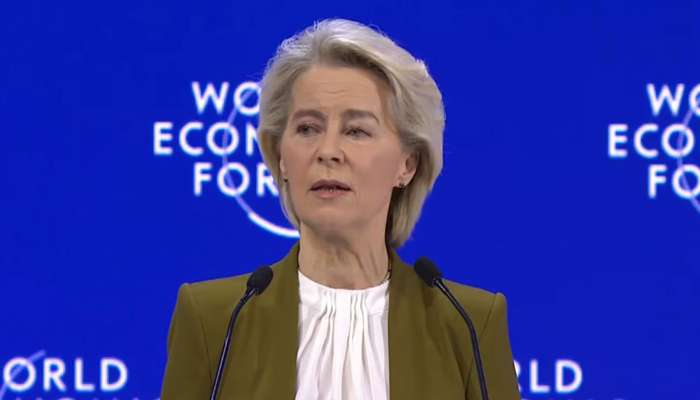

India and the European Union are accelerating discussions towards a landmark EU-India trade agreement, with a high-stakes summit scheduled for later this month. This push comes as both sides navigate a complex global landscape marked by shifting trade dynamics and increasing geopolitical pressures. European Commission President Ursula von der Leyen recently described the potential deal as “the mother of all deals,” signaling a renewed sense of urgency and ambition.
A Historic Trade Agreement on the Horizon?
The upcoming visit by President von der Leyen and European Council President Antonio Costa to India, coinciding with the nation’s Republic Day celebrations on January 26th, underscores the importance both parties place on finalizing this agreement. Following the celebrations, a full EU-India summit will be held, bringing together key leaders including Indian Prime Minister Narendra Modi and Foreign Minister Subrahmanyam Jaishankar.
This level of high-profile engagement is noteworthy. Srinivaasan Balakrishnan, director of strategic engagements and partnerships at Delhi-based think tank Indic Researchers, points out that “The political signalling from both sides has been unusually strong, with leaders openly calling it ‘historic’ and timing the summit with Republic Day for maximum impact.” This deliberate timing and enthusiastic rhetoric suggest a genuine desire to move beyond years of stalled negotiations.
Key Areas of Negotiation
The potential EU-India trade agreement covers a broad spectrum of economic areas. These include reducing tariffs on goods, streamlining regulatory processes, and enhancing cooperation on issues like intellectual property rights and geographical indications. A significant focus is expected to be on securing greater access for European goods and services into the Indian market, while India seeks similar concessions within the EU.
Negotiations are also expected to address investment protection, sustainable development, and digital trade – areas increasingly crucial in the modern global economy. The agreement aims to foster a more balanced and mutually beneficial economic relationship, moving beyond traditional trade in goods to encompass a wider range of economic activities.
Geopolitical Factors Driving the Deal
The renewed impetus for a EU-India trade agreement isn’t solely driven by economic considerations. A significant factor is the increasing uncertainty surrounding global trade, particularly stemming from US trade policies and the potential for further tariff hikes. This has prompted both the EU and India to diversify their trade relationships and reduce their reliance on any single market.
Additionally, the EU is actively seeking to diversify its supply chains, particularly in light of recent disruptions caused by geopolitical events. India, with its large and growing economy and strategic location, presents itself as an attractive alternative sourcing destination. This realignment of supply chains is creating a compelling incentive for both sides to finalize a comprehensive trade agreement.
US Tariffs and Global Realignment
The unpredictable nature of US trade policy under recent administrations has created a climate of uncertainty for businesses worldwide. This has encouraged the EU to strengthen its economic ties with other key partners, including India. For India, a strong trade relationship with the EU provides a valuable hedge against potential disruptions in other markets.
Furthermore, the broader geopolitical landscape, including the rise of China and the ongoing conflict in Ukraine, is prompting a reassessment of global alliances and trade partnerships. A robust EU-India trade agreement can serve as a cornerstone of a more diversified and resilient global trading system. This is also impacting India-EU relations positively.
Challenges and Opportunities in Bilateral Trade
Despite the positive momentum, several challenges remain. Differences in regulatory standards, particularly in areas like agriculture and pharmaceuticals, have historically been stumbling blocks in negotiations. Reaching a consensus on issues related to data localization and digital trade will also require careful consideration.
However, the potential benefits of a successful agreement are substantial. Increased trade and investment could boost economic growth in both regions, create new jobs, and foster innovation. A closer economic partnership could also strengthen political ties and enhance cooperation on issues of mutual concern, such as climate change and security. The India-EU partnership has the potential to be a major force for stability and prosperity in the Indo-Pacific region.
Looking Ahead: A “Mother of All Deals”?
The coming weeks will be critical in determining whether the ambitious goals set by both sides can be achieved. While hurdles remain, the strong political will and the compelling geopolitical factors suggest that a breakthrough is within reach.
If finalized, this EU-India trade agreement could indeed be a landmark achievement, reshaping the economic landscape and strengthening the strategic partnership between two of the world’s largest democracies. The success of these negotiations will not only benefit the EU and India but also contribute to a more stable and predictable global trading environment. It remains to be seen if the deal will live up to President von der Leyen’s description, but the current trajectory points towards a significant and potentially transformative outcome for international trade.