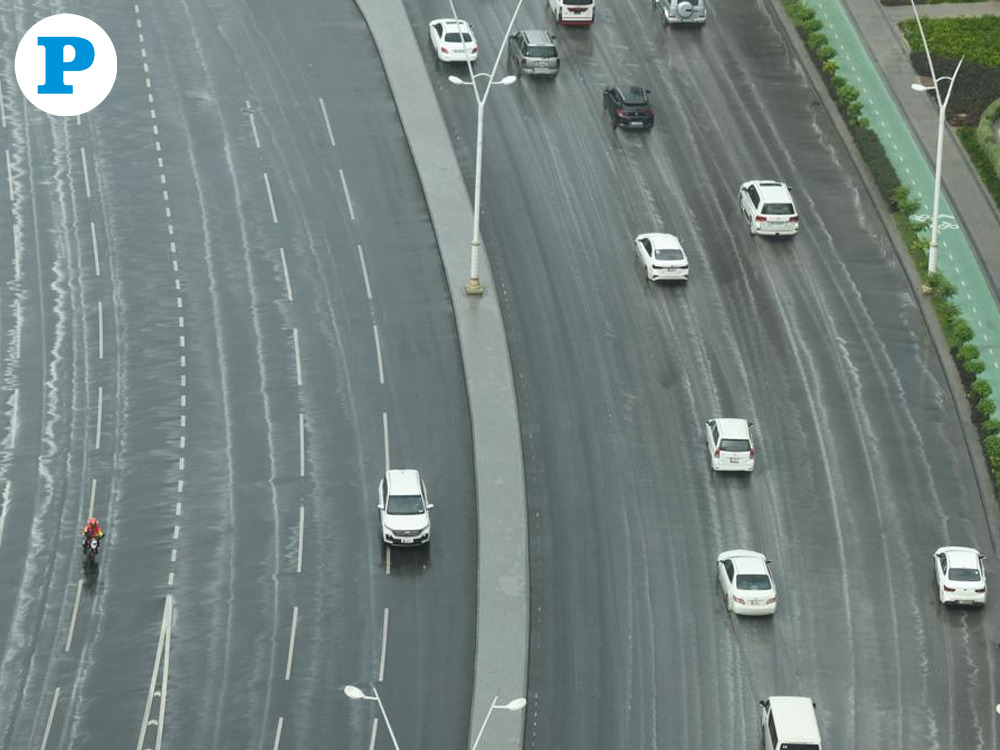

Doha, Qatar, has emerged as one of the least traffic congested cities in the Gulf region, according to the latest data from Numbeo’s “Traffic Index by City 2026.” The report indicates a congestion level of 135.1 for Doha, placing it favorably compared to other major metropolitan areas in Western Asia. This ranking reflects Qatar’s ongoing investment in advanced transportation infrastructure and sustainable mobility initiatives.
Numbeo, a global database specializing in quality of life metrics, found that Doha ranked second only to Muscat, Oman, among GCC capital cities for lowest traffic congestion. Qatar also secured the second-lowest national ranking within the GCC, trailing only Oman in Numbeo’s “Western Asia: Traffic Index by Country 2026.” This positive outcome is particularly noteworthy given the rapid urban development and population growth experienced by many cities in the region.
Qatar’s Low Traffic Congestion: A Result of Strategic Planning
The relatively low levels of traffic congestion in Doha are attributed to Qatar’s national development strategy, which prioritizes a high quality of life for residents. This strategy focuses on maximizing the efficiency of existing transportation networks and accelerating the adoption of sustainable transportation options. The country has made significant investments in public transportation, including its metro system and bus network.
Electrification of Public Transportation
A key component of Qatar’s strategy is the electrification of its public bus fleet. According to recent reports, 73% of public buses were electric as of the first quarter of 2024. Qatar is on track to achieve full electrification of the public bus fleet by 2030, further reducing emissions and contributing to improved air quality. This transition is expected to have a positive impact on overall traffic flow.
Doha Metro Performance
Qatar Rail’s Doha Metro has also played a crucial role in alleviating congestion. The metro system achieved a high overall customer satisfaction rate of 99.66% in 2024, demonstrating its reliability and appeal to commuters. Performance metrics further highlight the system’s effectiveness, with 99.85% regularity, 99.66% punctuality, and 99.90% availability. These figures suggest a well-maintained and efficient public transport option.
However, the impact of major events, such as the FIFA World Cup 2022, on long-term traffic patterns remains a subject of ongoing analysis. While the event spurred infrastructure development, the sustained effect on daily commutes is still being assessed. Additionally, the increasing number of private vehicles on the road continues to present a challenge.
In contrast to Doha, other major cities in the region, including Abu Dhabi, Al Manama, Kuwait City, and Riyadh, reported higher congestion levels in the Numbeo index. This disparity underscores the effectiveness of Qatar’s proactive approach to transportation planning and investment. The success of Doha’s model may offer valuable lessons for other cities seeking to improve their urban mobility.
Looking ahead, Qatar is expected to continue investing in its transportation infrastructure and expanding its public transit network. The Ministry of Transport is currently evaluating further expansions to the Doha Metro and exploring innovative solutions for managing urban mobility. The next phase of development will likely focus on integrating different modes of transportation and promoting the use of shared mobility services. Monitoring the impact of these initiatives on congestion levels and air quality will be crucial in the coming years.
The long-term sustainability of these improvements will depend on continued investment, effective policy implementation, and evolving commuter behavior. Further data releases from Numbeo and other sources will provide valuable insights into the effectiveness of Qatar’s strategies and the evolving landscape of traffic management in the region.