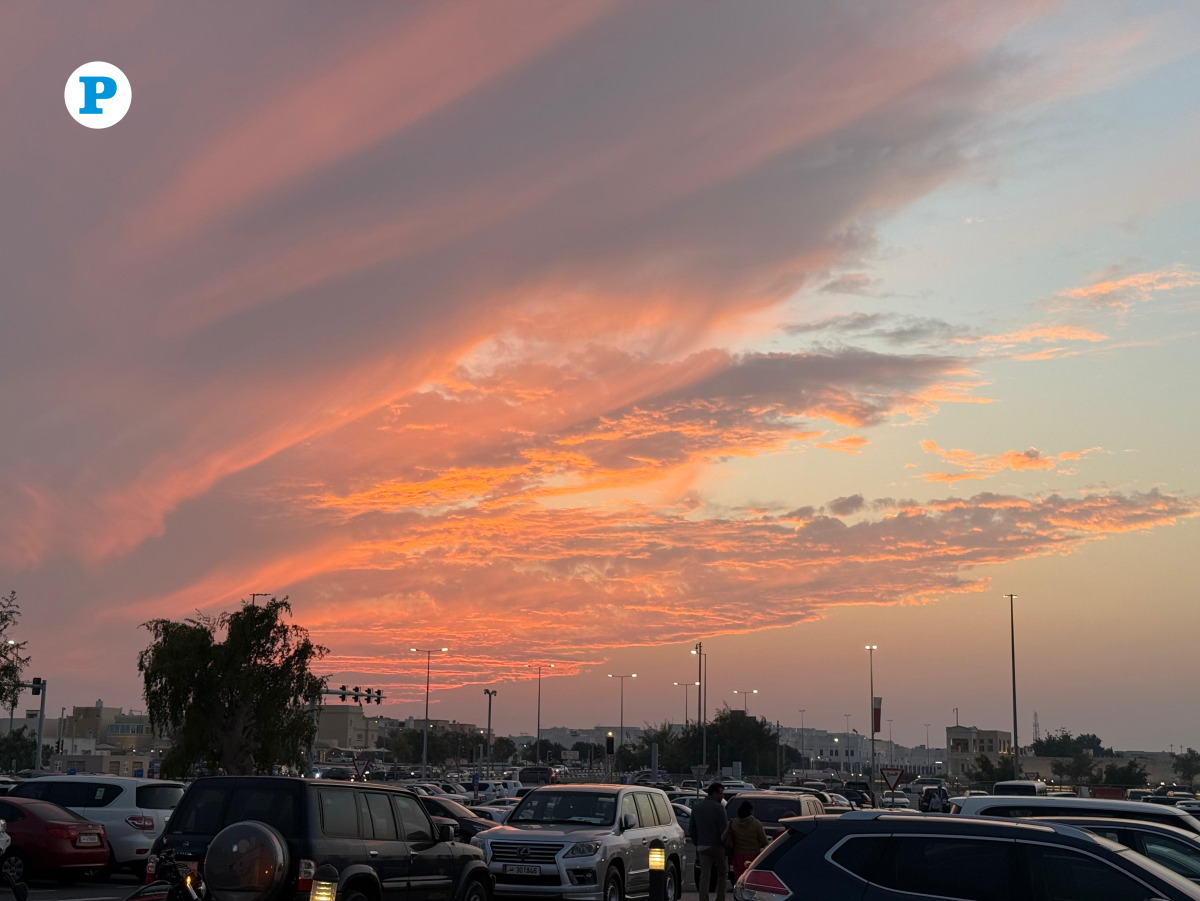

Doha, Qatar – The Qatar Calendar House (QCH) has announced the commencement of “Bard al Azariq” on Saturday, January 24, 2026. This period, known for experiencing the coldest days of winter in Qatar, is expected to last for eight days, bringing a noticeable drop in temperatures across the country. Residents should prepare for significantly cooler conditions through the end of the month.
The Qatar Meteorological Department (QMD) had previously indicated a cooling trend beginning on January 21, 2026, and now forecasts potential rainfall ranging from light to moderate intensity on Sunday, January 25, 2026. Skies are predicted to be partly to fully cloudy during this time. This combination of cold temperatures and potential precipitation requires residents to take necessary precautions.
Understanding the Bard al Azariq Period and Qatar’s Winter Climate
“Bard al Azariq” translates to “the cold blue period” in Arabic, a name derived from the visible effect of the intense cold on people. Historically, the severe chill would cause skin, particularly on faces and extremities, to appear bluish. This phenomenon is due to the constriction of blood vessels in response to the cold, reducing blood flow to the surface.
Qatar experiences a subtropical desert climate, characterized by hot, humid summers and mild to warm winters. However, even within the relatively mild winter months, periods of significant cooling can occur due to the influence of northern air masses. These air masses bring cooler temperatures and increased humidity, sometimes resulting in rainfall.
Historical Context and Temperature Trends
The Bard al Azariq is a well-recognized period in traditional Qatari calendars, marking the peak of the winter cold. While modern forecasting provides more precise predictions, the QCH’s announcement continues a long-standing practice of identifying and communicating these seasonal shifts. Records indicate that temperatures during this period can drop significantly, sometimes reaching as low as 8°C (46°F) in inland areas.
The QMD’s earlier warning of a temperature drop from January 21st proved accurate, setting the stage for the arrival of Bard al Azariq. This proactive notification allowed residents and businesses to prepare for the colder weather, adjusting heating systems and taking other preventative measures. The current forecast suggests the possibility of further temperature decreases as the week progresses.
The anticipated rainfall adds another layer of complexity to the weather conditions. While Qatar receives limited rainfall annually, winter months are typically wetter than other seasons. The QMD advises caution during periods of rain, particularly for drivers, due to potentially slippery road surfaces. Winter weather in Qatar can be unpredictable, requiring constant monitoring of forecasts.
Additionally, the combination of cold temperatures and humidity can create a higher perceived chill, making conditions feel even colder than the actual temperature. This is particularly important to consider for outdoor workers and those with pre-existing health conditions. Staying informed about the weather forecast is crucial during this time.
The impact of this cold snap extends beyond personal comfort. Agricultural activities may be affected, requiring farmers to protect crops from frost. Energy consumption is also likely to increase as residents rely more on heating. The Qatari authorities consistently monitor these impacts and provide support where needed.
Looking ahead, the QCH and QMD will continue to monitor the weather patterns and provide updates as the Bard al Azariq period unfolds. The duration and intensity of the cold spell remain subject to change based on atmospheric conditions. Residents are encouraged to stay informed through official channels, such as the QMD website here, for the latest temperature updates and advisories. The end of January will likely see a gradual return to more typical winter temperatures, but continued vigilance is advised.
The QMD also provides information on daily weather forecasts and long-term climate trends for Qatar.