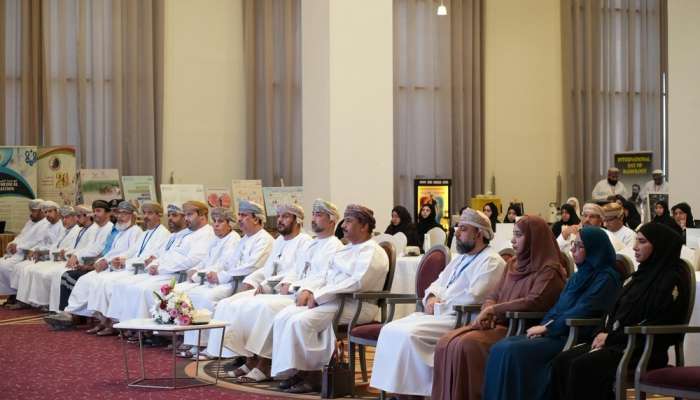

Oman continues to strengthen its healthcare infrastructure and emergency response capabilities, as demonstrated by the recent convening of the Omani Association for Cardiopulmonary Resuscitation (OCPR) conference in Samail. Held on Saturday, the 2026 conference brought together leading medical professionals to address the critical challenges facing emergency departments and refine emergency medicine practices across the Sultanate. The event, organized in collaboration with Samail Hospital, underscored the nation’s commitment to providing advanced and accessible healthcare for all.
Strengthening Emergency Medicine in Oman: The 2026 OCPR Conference
The conference, sponsored by His Highness Sayyid Mohammed bin Thuwaini Al Said, served as a vital platform for knowledge sharing and collaboration. Attendees included dignitaries, officials from the Ministry of Health, representatives from the Oman Medical Association, and over 90 medical and paramedical professionals, alongside enthusiastic medical and nursing students. This diverse participation highlights the broad interest in improving emergency medicine and patient outcomes in Oman.
Healthcare Development and National Vision
Dr. Zakia bint Rashid Al-Daghishiya, Director of Samail Hospital, emphasized the significant strides Oman has made in healthcare development. She noted that ongoing investments in infrastructure and the implementation of ambitious health projects are directly addressing the growing demands of the population.
These developments are firmly aligned with Oman’s national vision for a fully integrated and technologically advanced healthcare system. Dr. Al-Daghishiya further affirmed the country’s dedication to not only enhancing the quality of care but also to remaining at the forefront of global medical advancements. This proactive approach is crucial for tackling emerging health challenges and ensuring the well-being of the Omani people.
A Platform for Professional Exchange and Improved Protocols
Dr. Mahmoud bin Nasser Al-Rahbi, President of the OCPR and Chairman of the Conference Organising Committee, explained the core purpose of the event. He stated that the conference provides a crucial scientific platform for exchanging professional experiences specifically within the field of emergency medicine and cardiopulmonary resuscitation.
The primary goals of the conference were to promote evidence-based clinical practice, work towards unifying treatment protocols nationwide, enhance the quality of clinical decision-making, and ultimately improve both the safety and efficiency of managing critical cases. A key theme throughout the conference was the importance of effective teamwork and seamless integration between different healthcare disciplines. This collaborative spirit is essential for delivering optimal patient care in high-pressure emergency situations.
Key Scientific Sessions and Topics Covered
The conference was structured around three comprehensive scientific sessions, each designed to delve into specific areas of emergency medicine and resuscitation. These sessions provided focused learning opportunities and facilitated in-depth discussions among participants.
Emergency Medicine and Resuscitation: Core Principles
This session covered fundamental aspects of emergency care, including the legal and ethical considerations surrounding resuscitation decisions. Participants also explored the importance of “soft skills” – effective communication and empathy – in managing patients and their families during emergencies. Real-world case studies were presented, offering valuable lessons learned from practical experience. Finally, the session included updates on the latest cardiopulmonary resuscitation (CPR) guidelines as established by the American Heart Association.
Pediatric Emergency and Resuscitation
Recognizing the unique challenges of pediatric emergency care, this session focused on specialized topics. Newborn resuscitation techniques were reviewed, alongside updates in the diagnosis and treatment of diabetic ketoacidosis in children. Managing seizures and epilepsy in emergency settings, adhering to the most current protocols, was also a key area of discussion. This session highlighted the need for tailored approaches to emergency medicine based on patient age and specific conditions.
Surgical Emergencies and Trauma Care
The final session addressed the critical area of surgical emergencies and trauma care. Topics included cardiac arrest resulting from injuries and the implementation of rapid intervention mechanisms. Participants discussed the latest advancements in first aid and resuscitation procedures, both before and during a patient’s transport to and within the hospital. Furthermore, the session covered the management of Ear, Nose, and Throat (ENT) emergencies, with a particular focus on identifying and addressing life-threatening situations.
Looking Ahead: Enhancing Emergency Care in Oman
The successful conclusion of the 2026 OCPR conference signifies a continued commitment to excellence in emergency medicine within Oman. By fostering collaboration, promoting evidence-based practices, and emphasizing the importance of ongoing education, the conference has undoubtedly contributed to improved patient outcomes in critical situations. The insights gained and connections forged during this event will serve as a catalyst for further advancements in emergency care throughout the Sultanate. Continued investment in training, infrastructure, and the adoption of global best practices will be vital to ensuring Oman’s healthcare system remains responsive and effective in meeting the evolving needs of its population. The focus on critical care and trauma management will be essential as Oman continues to develop.