
The Bahrain Parliament has taken a significant step towards bolstering support for vulnerable women by approving a proposal to increase housing allocations for those classified under Category Five of the national housing system. This includes divorced, abandoned, widowed, and unmarried women facing significant housing insecurity. The decision, stemming from a report by the Public Utilities and Environment Committee, aims to address a growing disparity between available housing and the real needs of this often-overlooked segment of the population. This move highlights a crucial focus on Bahrain housing for women and the need for secure accommodation.
Addressing the Growing Need for Bahrain Housing for Women
The approved proposal directly amends Article 4 of Decision No. 909 of 2015 concerning the national housing system. Several Members of Parliament (MPs) initially submitted the proposal, recognizing the increasing challenges faced by women lacking familial support. The core issue revolves around the inadequacy of current allocations to meet the rising demand, leaving many women in precarious living situations.
This isn’t simply about providing shelter; it’s about recognizing housing as a fundamental right and a cornerstone of stability. The current system, while functional, hasn’t kept pace with the evolving social landscape and the increasing number of women requiring assistance. This legislative change is a direct response to that need.
The Human Cost of Housing Insecurity
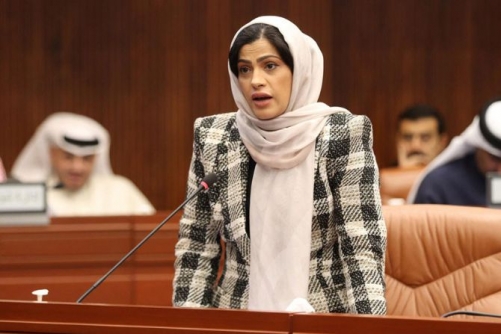
MP Basma Abdulkarim Mubarak powerfully articulated the daily struggles faced by women in this category during parliamentary debate. She emphasized the psychological and social pressures endured by divorced, widowed, and unmarried women who lack secure housing. These pressures, she argued, directly threaten their dignity and personal safety.
The lack of stable accommodation can severely limit opportunities for employment, education, and social integration, perpetuating a cycle of vulnerability. It also creates a hidden social risk, one that doesn’t always surface in official reports, as Mubarak pointed out. This underscores the importance of proactive measures like the approved proposal.
Why Increased Housing Allocations are Crucial
The decision to prioritize affordable housing Bahrain for this specific demographic is rooted in a broader understanding of housing’s role in societal well-being. Viewing housing as a form of protection and stability, rather than a mere luxury, is a paradigm shift that acknowledges the fundamental needs of vulnerable populations.
Delays in providing adequate accommodation can have far-reaching consequences, impacting not only the individual women affected but also their families and the community as a whole. A stable home provides a foundation for personal growth, economic independence, and social participation.
The Broader Context of Social Welfare in Bahrain
This initiative aligns with Bahrain’s broader commitment to social welfare and gender equality. The government has consistently demonstrated a dedication to improving the lives of its citizens, and this proposal is a tangible example of that commitment. It also complements existing social support programs designed to empower women and provide them with the resources they need to thrive.
Furthermore, the focus on social housing Bahrain demonstrates a recognition that government intervention is sometimes necessary to address systemic inequalities and ensure that all citizens have access to basic necessities. This isn’t about handouts; it’s about creating a level playing field and providing opportunities for all.
Looking Ahead: Implementation and Impact
The next crucial step involves the effective implementation of the amended housing system. This will require careful planning, efficient resource allocation, and ongoing monitoring to ensure that the increased allocations reach those who need them most. Transparency and accountability will be key to building public trust and demonstrating the positive impact of this initiative.
The long-term benefits of providing secure housing for vulnerable women are immeasurable. It will contribute to a more just and equitable society, empower women to reach their full potential, and strengthen the social fabric of Bahrain. This decision represents a significant investment in the future, one that will yield dividends for generations to come.
Ultimately, the Parliament’s approval of this proposal is a testament to the power of advocacy and the importance of addressing the real-life challenges faced by vulnerable populations. It’s a positive step towards creating a more inclusive and supportive society where all women have the opportunity to live with dignity and security. Continued dialogue and collaboration between lawmakers, social workers, and community organizations will be essential to ensure the ongoing success of this vital program.