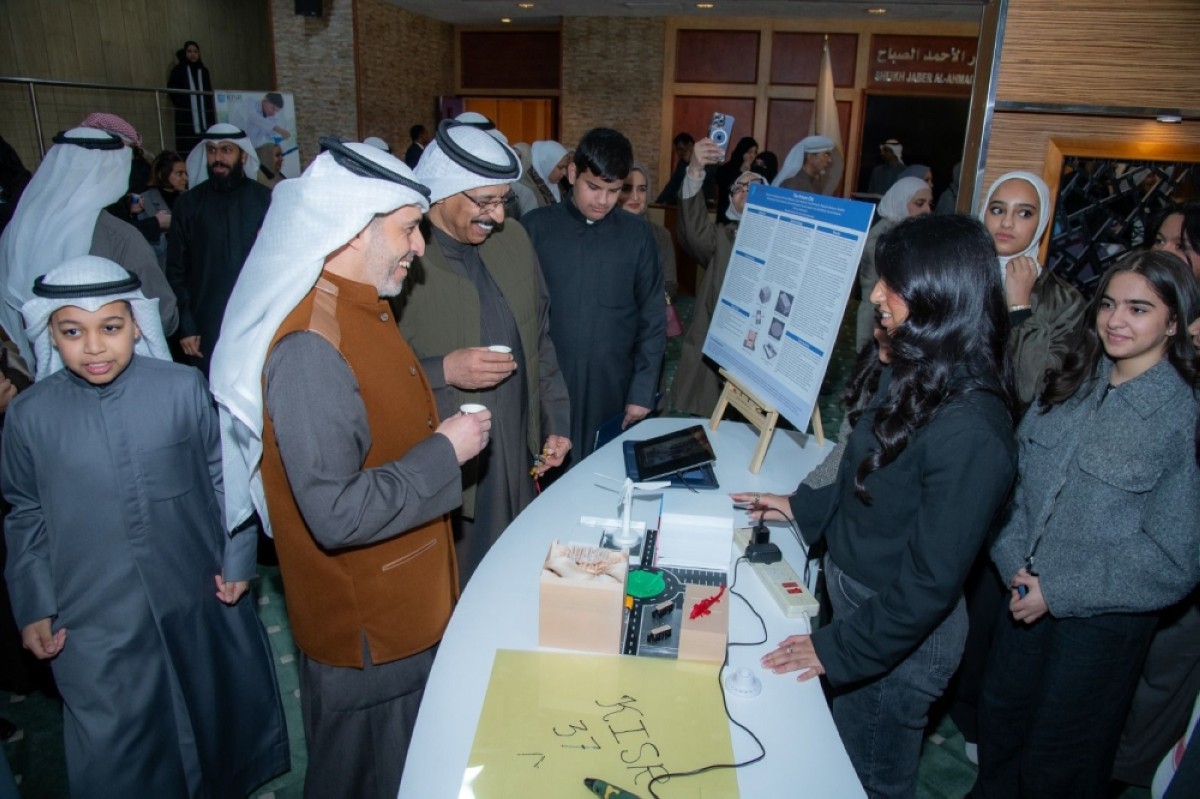

Kuwait is actively investing in its future workforce, and a recent initiative by the Kuwait Institute for Scientific Research (KISR) demonstrates a strong commitment to nurturing young scientific talent. The successful conclusion of KISR’s 37th Spring Student Training Program on Thursday marks a significant step in fostering a culture of innovation and equipping the next generation with essential research skills. Forty-two middle school students participated in the intensive two-week program, gaining invaluable hands-on experience and a deeper understanding of the world of scientific inquiry.
KISR’s Commitment to Future Scientists: The Spring Training Program
The Student Training Program isn’t just a summer activity; it’s a strategic investment in Kuwait’s long-term development. Dr. Faisal Al-Humaidan, KISR’s Director General, emphasized this point, calling the program “the best investment” students could make with their time. He highlighted its role in strengthening students’ capabilities and preparing them to contribute to the nation’s progress, particularly as Kuwait diversifies its economy and embraces sustainable opportunities.
This program aligns with Kuwait’s broader vision for economic diversification, moving beyond traditional oil dependence towards a knowledge-based economy. Investing in STEM (Science, Technology, Engineering, and Mathematics) education is crucial for achieving this goal, and KISR’s initiative directly addresses this need.
A Two-Week Immersion in Scientific Exploration
The program, spearheaded by the Workforce Development Division at KISR, offered a diverse curriculum designed to spark curiosity and build practical skills. Mona Al-Failkawi, the Division’s Director, explained that the two weeks were packed with activities, ranging from rigorous laboratory experiments to the creative construction of scientific models.
These activities weren’t simply about learning facts; they were carefully crafted to encourage critical thinking and innovative problem-solving. The emphasis on hands-on learning allowed students to bridge the gap between theoretical knowledge gained in the classroom and the real-world application of scientific principles. This approach also fostered self-directed learning, empowering students to take ownership of their exploration and discovery.
Bridging Theory and Practice: The Impact on Students
A key benefit of the Student Training Program is its ability to make science tangible and engaging for young learners. Many students may find science abstract or intimidating when presented solely through textbooks. However, by providing opportunities to work in a real research environment, KISR helps students connect with the subject matter on a deeper level.
The program’s focus on practical application is particularly valuable. Students weren’t just told about scientific concepts; they were actively involved in doing science. This experience not only reinforces their understanding but also builds confidence in their ability to tackle complex challenges. Furthermore, exposure to different scientific fields can help students identify their passions and potential career paths.
Student Testimonials: A Spark of Inspiration
The impact of the program was clearly felt by the participants themselves. Lujain Al-Adwani, speaking on behalf of the students during the closing ceremony, expressed sincere gratitude to KISR for the opportunity. She shared that the program provided a unique “close-up view of scientific research” and significantly increased her enthusiasm for exploring new scientific fields.
This sentiment is likely shared by all 42 students. The program’s success lies in its ability to inspire a love of learning and a desire to contribute to the advancement of scientific knowledge. This early exposure to research can be a powerful catalyst for future academic and professional pursuits.
The Role of KISR in National Development & Scientific Literacy
KISR plays a vital role in Kuwait’s national development strategy, and initiatives like the Student Training Program are integral to its mission. By investing in the education of young people, KISR is not only building a pipeline of future scientists and engineers but also contributing to a more scientifically literate society.
Increased scientific literacy is essential for informed decision-making on issues ranging from public health to environmental sustainability. A population that understands the scientific process is better equipped to evaluate evidence, assess risks, and embrace innovation. This program, therefore, has benefits that extend far beyond the individual participants.
The program also supports the broader goal of fostering a culture of innovation within Kuwait. By encouraging students to think critically, solve problems creatively, and explore new ideas, KISR is laying the foundation for a more dynamic and competitive economy. This focus on innovation is crucial for Kuwait’s long-term success in a rapidly changing world.
In conclusion, KISR’s 37th Spring Student Training Program represents a significant investment in Kuwait’s future. By providing middle school students with hands-on research experience and fostering a passion for scientific inquiry, the program is helping to build a skilled and innovative workforce. The positive feedback from participants like Lujain Al-Adwani underscores the program’s effectiveness and its potential to inspire the next generation of Kuwaiti scientists. To learn more about KISR’s initiatives and opportunities for students, visit their official website and explore the possibilities for contributing to Kuwait’s scientific advancement.