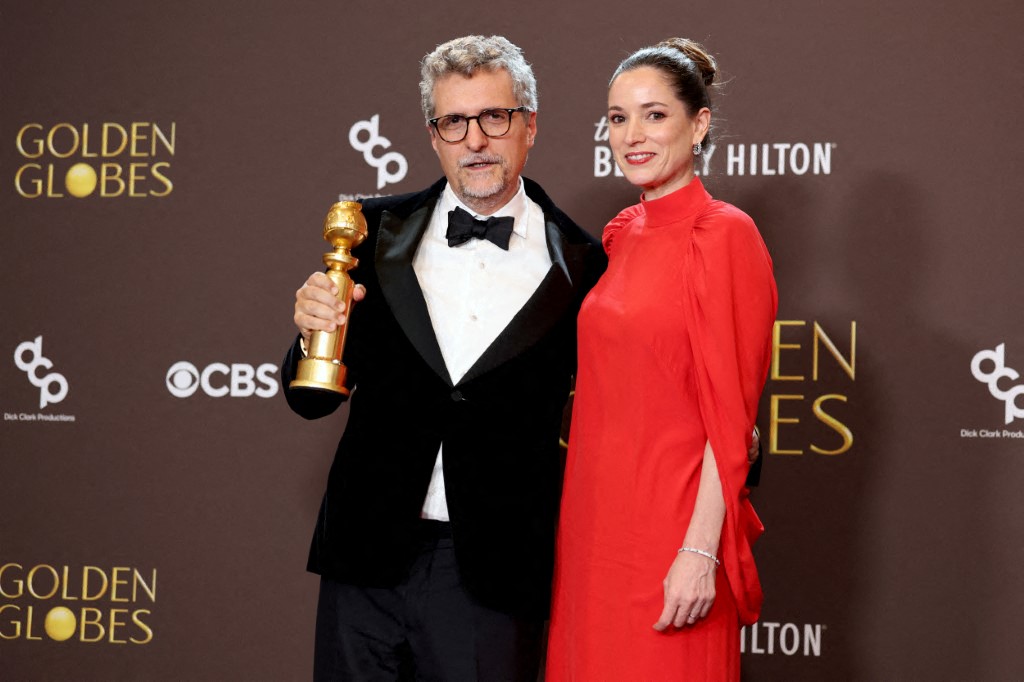

Brazil’s political thriller, “The Secret Agent,” is gaining significant international attention, receiving four Academy Award nominations on January 11, 2026. The film, directed by Kleber Mendonça Filho, explores themes of authoritarianism and state-sponsored violence during Brazil’s military dictatorship (1964-1985). This recognition follows the success of last year’s Oscar winner for Best International Feature Film, “I’m Still Here,” signaling a potential renaissance for Brazilian cinema on the global stage.
The nominations include Best Picture, Best International Feature Film, Best Actor for Wagner Moura, and Best Casting. This widespread acclaim comes after the film secured two Golden Globe awards, further solidifying its position as a frontrunner in the awards season. The film’s success is being linked to a shift in cultural support within Brazil following a change in leadership.
The Resurgence of Brazilian Cinema
Director Mendonça Filho attributes the current momentum in Brazilian filmmaking to the election of President Luiz Inácio Lula da Silva in 2022. According to Mendonça Filho, the previous administration under Jair Bolsonaro actively suppressed cultural expression. He stated that the Ministry of Culture was eliminated and support mechanisms for the arts were deactivated during Bolsonaro’s term.
“The Secret Agent” and “I’m Still Here” are viewed as key films showcasing the renewed creativity and storytelling within the Brazilian film industry. The films have resonated with audiences both domestically and internationally, offering a powerful commentary on Brazil’s recent history and its ongoing political landscape. This success is also boosting interest in Brazilian film history and contemporary productions.
Universal Themes in a Specific Context
Set in Recife, Brazil, “The Secret Agent” follows a university professor, played by Wagner Moura, who unwittingly becomes a target of hitmen connected to the former military regime. Mendonça Filho believes the film’s appeal extends beyond Brazil because it taps into universal anxieties about power and oppression.
He explained that stories about the abuse of power are always relevant, particularly in a world marked by conflict and political instability. Mendonça Filho also noted that the film’s themes unexpectedly mirrored the political climate in Brazil during the years 2019-2021, as some politicians attempted to revive the ideologies and practices of the dictatorship. The film’s exploration of political thriller elements have also contributed to its broad appeal.
The director praised Moura’s performance, describing him as a “great actor, a great artist and a great person” who is deserving of the Best Actor nomination. He believes Moura’s portrayal captures the vulnerability and fear experienced by individuals living under authoritarian rule.
The positive reception in the United States, Mendonça Filho suggests, is linked to the current socio-political moment in the country. He believes American audiences can identify with the film’s themes of political division and the struggle for democratic values.
Mendonça Filho doesn’t believe filmmakers have an obligation to create explicitly political works. He argues that honest and informed storytelling will naturally contribute to a deeper understanding of society. He views art as a powerful form of resistance, even if it isn’t intentionally designed as such.
The Academy Awards ceremony is scheduled for March 2, 2026. While “The Secret Agent” has garnered significant momentum, the outcome remains uncertain. Industry observers will be watching closely to see if the film can convert its nominations into wins, and whether this success will further propel Brazilian cinema into the international spotlight. The results could also influence future funding and support for the arts within Brazil.