






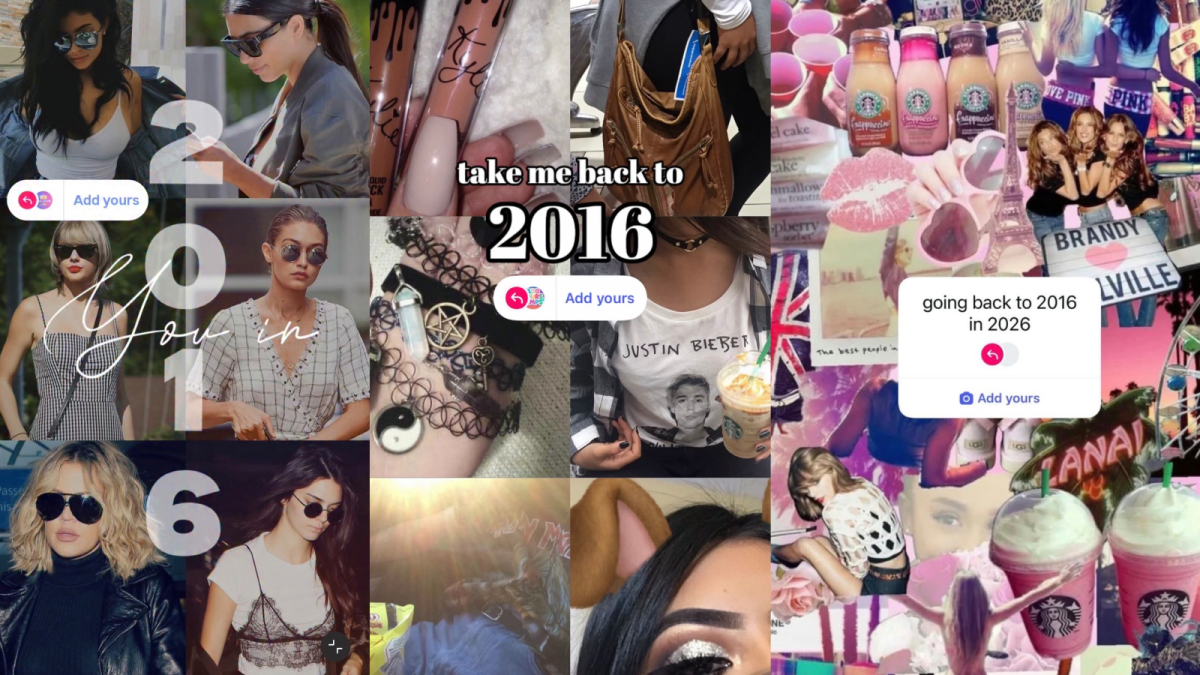

A wave of nostalgia for 2016 is sweeping across the internet, with users on platforms like Instagram and Spotify actively sharing memories from the year. This unexpected trend, fueled by an “add yours” sticker and a desire for simpler times, highlights a complex relationship with the past and a growing discontent with the current state of the online world. The resurgence of interest in 2016 is prompting reflection on how the internet has evolved – and arguably, devolved – in the years since.
The Unexpected Appeal of 2016
The trend began gaining momentum in early 2024, with Instagram users responding to a popular “add yours” sticker with photos and videos from 2016. As of late January, over 5.2 million responses have been posted, demonstrating the widespread appeal of revisiting this particular year. Spotify has also seen a 790% increase in user-generated playlists themed around 2016, and even incorporated the sentiment into its official Instagram bio.
On the surface, 2016 appears as a period of relative innocence. It was before the widespread political polarization that intensified in later years, before the COVID-19 pandemic dramatically altered daily life, and before the pervasive influence of advanced artificial intelligence. The cultural touchstones of the year – the popularity of “Pokémon Go,” the Broadway sensation “Hamilton” – evoke a sense of uncomplicated enjoyment for many.
A Complicated Past
However, the romanticized view of 2016 overlooks the significant anxieties and global events that defined the year. Brexit, the Syrian civil war, the Zika virus outbreak, and the tragic Pulse nightclub shooting all contributed to a sense of unease and uncertainty. Even before the contentious 2016 US presidential election, commentators were questioning whether the year was exceptionally difficult compared to historical crises like the Black Death or the Holocaust.
Meme historian Amanda Brennan notes that the current nostalgia often glosses over the negativity that was prevalent at the time. Online communities, even in 2016, were grappling with issues of misinformation and harmful ideologies. This foreshadowed the more significant challenges that would emerge as internet culture became increasingly intertwined with political and social realities.
The Rise of the Algorithm and a Yearning for the Past
The fascination with 2016 is not solely about political or global events; it also represents a longing for a time before the internet felt completely dominated by algorithms. As AI becomes more integrated into online experiences, many users are experiencing a sense of “enshittification,” where platforms prioritize profit over user experience. This has led to increased frustration with personalized feeds, targeted advertising, and the spread of inauthentic content.
Brennan suggests viewing 2016 as the culmination of a decade-long shift in internet culture. The launch of platforms like Twitter and the rise of YouTube in 2006 marked a turning point, bringing the social internet into the mainstream. By 2016, the lines between online and offline worlds had blurred, and internet culture was significantly influencing broader societal trends. This period also saw the emergence of problematic online phenomena, such as the weaponization of memes and the spread of hate speech.
The relative simplicity of the internet in 2016 – where it was easier to discern genuine content from fakes and where the influence of AI was minimal – is proving appealing to a generation that has grown up with increasingly sophisticated online manipulation. This nostalgia is contributing to a broader trend toward seeking more analog experiences, such as in-person events and traditional forms of media.
Looking Ahead
The current wave of 2016 nostalgia is likely to continue in the short term, driven by social media trends and a collective desire for simpler times. However, it remains to be seen whether this sentiment will translate into lasting changes in online behavior or platform design. The ongoing development of AI and the increasing commercialization of the internet present significant challenges to recreating the online experience of 2016. Future developments in content moderation, algorithmic transparency, and user privacy will be crucial in shaping the future of the internet and addressing the concerns that are fueling this current wave of nostalgia for a past era. The impact of these changes on user engagement and the overall online landscape will be a key area to watch in the coming months and years.