






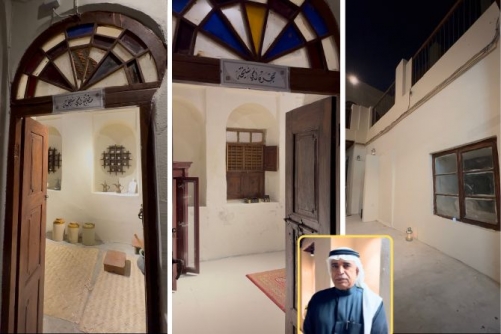

In the bustling heart of Manama, Bahrain, a quiet testament to the past endures. Beit Al Qusair, a traditional Bahraini home, stands as a remarkable survivor, a living memory amidst rapid modernization. While skyscrapers pierce the sky and the urban landscape transforms, this house remains, not as a sterile museum piece, but as a vibrant space woven into the fabric of a family’s life and Bahrain’s heritage. This article explores the history, significance, and enduring spirit of this unique landmark.
A Living Legacy: The Story of Beit Al Qusair
Beit Al Qusair isn’t simply an old building; it’s a layered narrative of Bahrain’s evolution. It represents a connection to a time when life moved at a different pace, and community thrived within the walls of a family home. Remarkably, the house is the last remaining residence of the Al Qusair family in this particular area of Manama, a poignant symbol of a changing city.
Unlike many historical sites preserved for public viewing, Beit Al Qusair continues to be lived in, albeit in a different capacity than before. It’s a space imbued with the echoes of generations, where habit and meaning resonate as powerfully as the architectural details. The house’s continued existence is a testament to the family’s dedication to preserving their history and a unique cultural space.
Architectural Echoes of Bahrain’s Past
The construction of Beit Al Qusair unfolded in stages, mirroring the growth of Bahrain itself. The earliest section of the house dates back approximately 150 years, while a later addition was completed around 90 years ago. Both phases of building employed traditional Bahraini construction techniques, utilizing materials and craftsmanship that are increasingly rare today.
The intricate wooden doors and windows are particularly noteworthy. These weren’t mass-produced items but carefully crafted elements, built with skills and materials that have largely disappeared. Inside, the house breathes with authenticity, from the aged plaster walls to the gentle whir of a ceiling fan that has been in continuous operation for over a century. These details aren’t just aesthetic; they are tangible links to the past, offering a glimpse into the lives of those who came before.
The Heart of the Home: The Majlis Tradition
For generations, Beit Al Qusair was renowned for its welcoming majlis – traditional gathering spaces. Separate majlises for men and women were central to the house’s social life, fostering a sense of community and belonging. These spaces weren’t merely rooms; they were the heart of the home, where conversations flowed, relationships were forged, and traditions were upheld.
In its heyday, the men’s majlis was a daily hub of activity, a place where visitors could seek counsel, share news, and simply enjoy companionship. While the daily gatherings have become less frequent, the tradition persists. Today, the family continues to host gatherings twice a week, on Mondays and Thursdays, maintaining a steady rhythm of connection and hospitality. This continuation of the Bahraini tradition is a vital part of the house’s enduring legacy.
Ramadan at Beit Al Qusair: A Community Gathering Place
The holy month of Ramadan held a special significance at Beit Al Qusair. The majlis would come alive each evening with guests arriving for iftar – the breaking of the fast. The house transformed into a shared table, a place where the community could come together to celebrate faith and fellowship.
The authentic atmosphere of the house didn’t go unnoticed. Television producers, seeking to capture the true spirit of Bahraini Ramadan, frequently used Beit Al Qusair as a filming location. Its genuine character eliminated the need for elaborate sets or staging, allowing the stories to unfold naturally within its historic walls.
From Trade to Tradition: The Family’s History
Permanent residency at Beit Al Qusair concluded after the COVID-19 pandemic, when the last brother relocated. However, the house never truly emptied. It remained a focal point for the family, a place to gather and reconnect. Today, the family still convenes at the house once a week, maintaining the emotional weight of their shared history.
A recent interview with The Daily Tribune revealed fascinating insights into the family’s commercial past. The patriarch was a pioneering trader who introduced the first Marconi radio sets to Bahrain, becoming a key figure in the island’s early adoption of technology. He later expanded into marine engines and agricultural water pumps, utilizing traditional seafaring routes to import goods and transport passengers. The family also engaged in the trade of bicycles and motorcycles, establishing connections with markets across the Gulf region. This entrepreneurial spirit further cemented the house’s place within the broader regional economy.
An Enduring Symbol of Bahraini Identity
Beit Al Qusair doesn’t clamor for attention. It simply is – a quiet, steadfast presence in a rapidly changing world. It continues to fulfill its original purpose: bringing people together. It’s a powerful reminder of the importance of preserving cultural heritage, not as static displays, but as living, breathing spaces that connect us to our past and shape our future. The house stands as a symbol of resilience, family, and the enduring spirit of Bahraini identity.
Visiting or learning about Beit Al Qusair offers a unique opportunity to step back in time and appreciate the rich cultural tapestry of Bahrain. It’s a story worth sharing and a legacy worth protecting for generations to come.