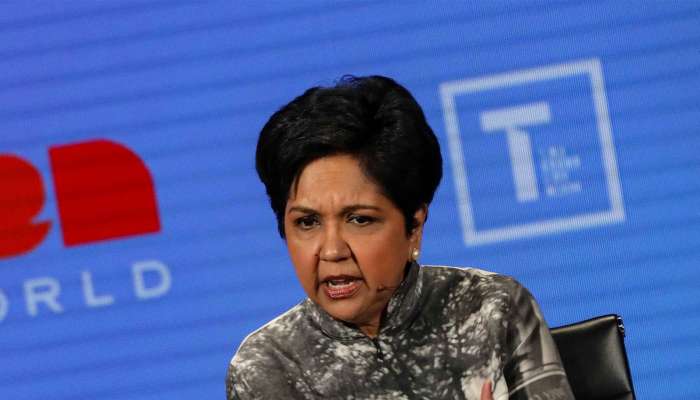

Indra Nooyi, a name synonymous with leadership and innovation, recently addressed the 10th Convocation of the Vedica Scholars Programme for Women in New Delhi, delivering a powerful message about the critical need for gender equality in both society and the business world. Her speech underscored the idea that sustainable growth is impossible when half of the potential talent pool – women – are sidelined. Nooyi’s insights, drawn from her own remarkable journey as former Chairman and CEO of PepsiCo, offer valuable guidance for women in leadership and a compelling call to action for organizations seeking long-term success.
The Untapped Potential of Women in the Workforce
Nooyi began by stating a fundamental truth: societies and economies flourish when women are empowered to participate fully, both professionally and personally. This isn’t simply a matter of fairness, but of economic imperative. Ignoring the contributions and potential of women represents a significant loss of innovation, productivity, and overall growth.
She highlighted the necessity for greater structural support, not just in workplaces, but also within households. This support is crucial for enabling women to navigate the complexities of balancing career aspirations with personal responsibilities. The current imbalance in caregiving, for example, often forces women to make difficult choices that can hinder their career progression. Addressing this requires a systemic shift in societal expectations and the implementation of supportive policies.
The Myth of “Having It All”
Reflecting on her own experiences leading a global corporation while simultaneously raising a family, Nooyi was candid about the challenges. She dispelled the notion of “having it all,” emphasizing that careers aren’t linear paths to perfection. Instead, they unfold in phases, shaped by deliberate choices made at different stages of life.
This perspective is particularly important for young women entering the workforce. The pressure to excel in every aspect of life can be overwhelming. Nooyi’s advice encourages a more realistic and sustainable approach, focusing on prioritizing and accepting that “good enough” is often sufficient in areas outside of core ambitions.
Prioritization and Strategic Competence for Career Sustainability
A key takeaway from Nooyi’s address was the importance of setting clear priorities. She urged women professionals to consciously decide where they want to be truly exceptional, where competence is adequate, and which expectations they can realistically let go. This level of self-awareness and strategic decision-making is vital for preventing burnout and maintaining a long-term career trajectory.
Furthermore, Nooyi stressed that professional courage must be firmly rooted in competence. While confidence and assertiveness are valuable traits, they are far more effective when backed by deep expertise and a consistent track record of performance. Building credibility within an organization requires demonstrating genuine skill and delivering results. This is especially relevant for career advancement in traditionally male-dominated fields.
The Power of Trust and Judgement in Leadership
Nooyi also addressed the dynamics of leadership, challenging conventional wisdom about how authority is established. She argued that true leadership doesn’t stem from mere visibility or a loud voice, but from the trust and sound judgment one inspires in others.
This highlights the importance of cultivating strong interpersonal skills, including mentorship and effective communication. She specifically mentioned “constructive courage” – the ability to challenge the status quo and offer critical feedback in a respectful and productive manner – as essential for navigating complex corporate environments and ascending to senior roles. Developing these skills is paramount for aspiring female executives.
The Economic Impact of Unequal Caregiving
Beyond individual career strategies, Nooyi powerfully addressed the broader economic consequences of unequal caregiving responsibilities. When women disproportionately bear the burden of childcare and eldercare, they are often forced to reduce their work hours, decline promotions, or even leave the workforce altogether.
This represents a significant loss of economic potential. Without shared support at home and enabling workplace policies – such as affordable childcare, flexible work arrangements, and paid family leave – women are less able to contribute fully to the economy. Nooyi’s message underscores the need for businesses and governments to recognize and address this systemic issue.
In conclusion, Indra Nooyi’s address to the Vedica Scholars Programme was a compelling call for a more equitable and sustainable future. Her insights, grounded in her own experiences and observations, emphasize the critical role of women in driving economic growth and the necessity for both individual prioritization and systemic change. By fostering supportive environments, valuing competence, and challenging traditional expectations, we can unlock the full potential of women and build a more prosperous and inclusive world. The conversation sparked by her words is a vital step towards realizing that vision, and it’s one that deserves continued attention and action from leaders across all sectors.