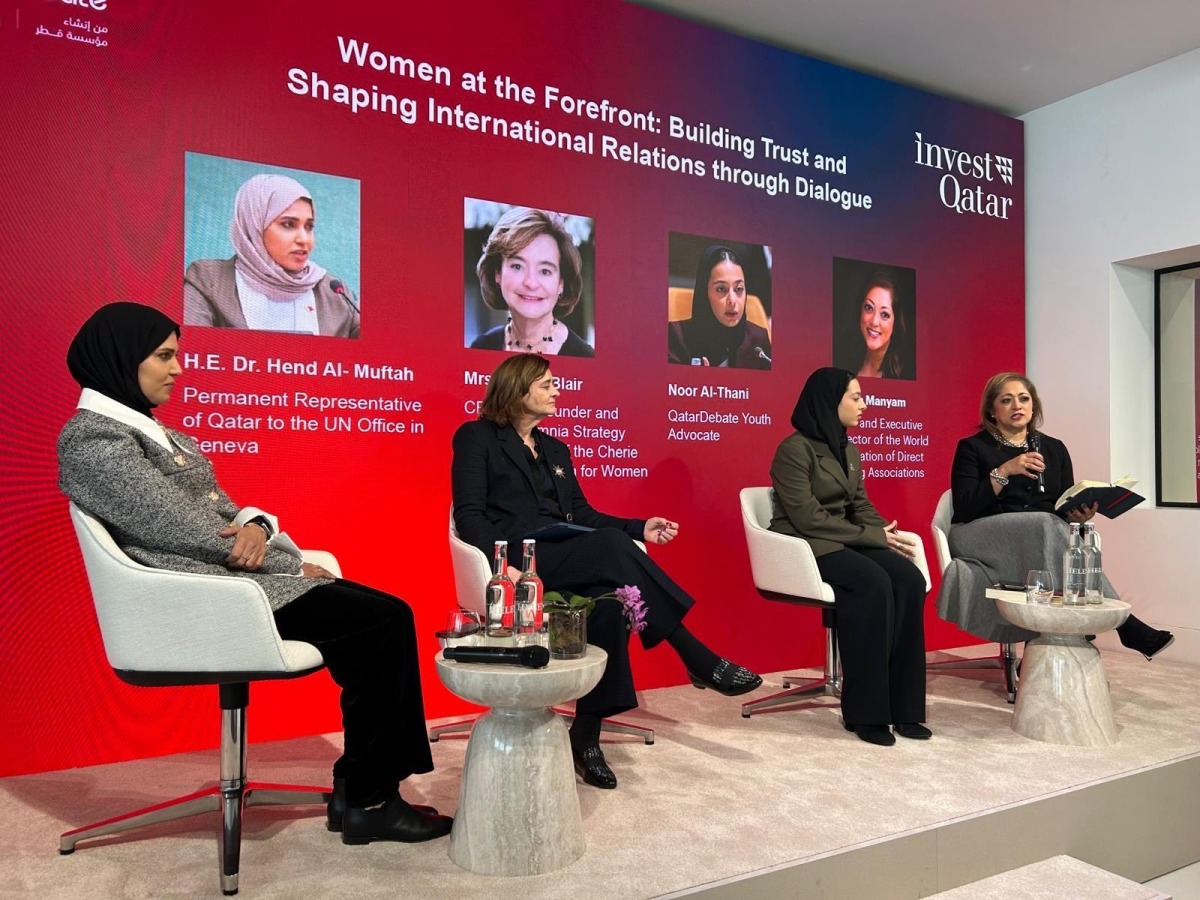

Davos, Switzerland – Addressing a critical juncture in global affairs, Her Excellency Dr. Hind bint Abdulrahman Al Muftah, Qatar’s Permanent Representative to the UN Office in Geneva, participated in a panel discussion at the World Economic Forum 2026 focused on revitalizing international cooperation. The discussion centered on the increasing challenges to multilateralism and the urgent need for renewed dialogue to address complex global issues. Her Excellency emphasized the importance of a strengthened United Nations in navigating a fragmented world.
The forum, held annually in Davos, brought together global leaders to discuss pressing economic, social, and political challenges. Dr. Al Muftah’s participation underscores Qatar’s commitment to fostering collaborative solutions on the international stage, particularly as the world grapples with escalating conflicts and the pursuit of the Sustainable Development Goals.
The Erosion of International Cooperation
Her Excellency noted a concerning trend of intensifying competition between major powers and the growing politicization of international action. This, she explained, has led to a decline in trust towards international institutions and a resulting paralysis in the system’s ability to respond effectively to ongoing crises. According to Dr. Al Muftah, this situation demands a fundamental reassessment of how nations engage with one another.
The recently launched Global Cooperation Barometer 2026, also discussed during the session, highlights the interconnectedness of global challenges. The report indicates that unilateral approaches are insufficient to tackle issues like climate change, health crises, and economic instability, necessitating a renewed focus on collective action and well-defined cooperative frameworks.
Shifting Global Dynamics
Dr. Al Muftah pointed out that modern conflicts are no longer isolated events but are actively reshaping the global political and economic landscape. These conflicts have far-reaching consequences, impacting areas such as technological competition, cybersecurity, and, crucially, global energy security and food supplies. This complex interplay requires a nuanced understanding of shifting alliances and multidimensional competition.
Despite the approaching 2030 deadline for achieving the Sustainable Development Goals (SDGs), progress remains significantly off track. Her Excellency stressed the need to strengthen a multilateral approach that integrates humanitarian aid, development initiatives, and peacebuilding efforts, ensuring a more coherent and impactful response, especially for vulnerable populations affected by conflict and emergencies.
The Role of the United Nations
Dr. Al Muftah affirmed the continued relevance and potential of the United Nations as a central platform for preserving and strengthening international cooperation. She emphasized the importance of strategically utilizing the UN’s tools, including investing in preventive diplomacy and mediation to resolve conflicts before they escalate.
Furthermore, she advocated for increased support for peacebuilding initiatives, the protection of human rights, and enhanced coordination with regional organizations and civil society groups. Her Excellency believes that even amidst global fragmentation, the UN can play a decisive role in sustaining engagement through political leadership and practical collaboration.
Qatar, guided by its strong partnership with the UN, continues to actively support international efforts to promote peace, sustainable development, and human rights. The country has positioned itself as a leading hub for dialogue, hosting numerous conferences and workshops dedicated to mediation, peacebuilding, and fostering a culture of peace.
Addressing the need for systemic change, Dr. Al Muftah underscored the importance of reforming global governance structures, particularly the Security Council, to ensure greater representation, inclusivity, and equity in decision-making. She also called for increased transparency and accountability within the multilateral system, and for genuine partnership with developing nations.
Prioritizing preventive diplomacy and investing in early-warning systems are crucial steps, she argued. Additionally, she highlighted the importance of empowering women in dialogue and peacebuilding processes, citing evidence that their meaningful participation leads to more sustainable and inclusive outcomes. Empowering civil society and youth through cross-border initiatives is also seen as vital for countering polarization and fostering shared responsibility.
Looking ahead, the success of international cooperation hinges on the ability of the United Nations and its member states to adapt to evolving challenges, rebuild trust, and leverage successful regional experiences. The coming months will be critical in observing whether concrete steps are taken to address the identified weaknesses in the multilateral system and to ensure a more peaceful, stable, and resilient world. Further discussions on Security Council reform are expected to take place throughout 2026, and their outcome will significantly shape the future of global governance.