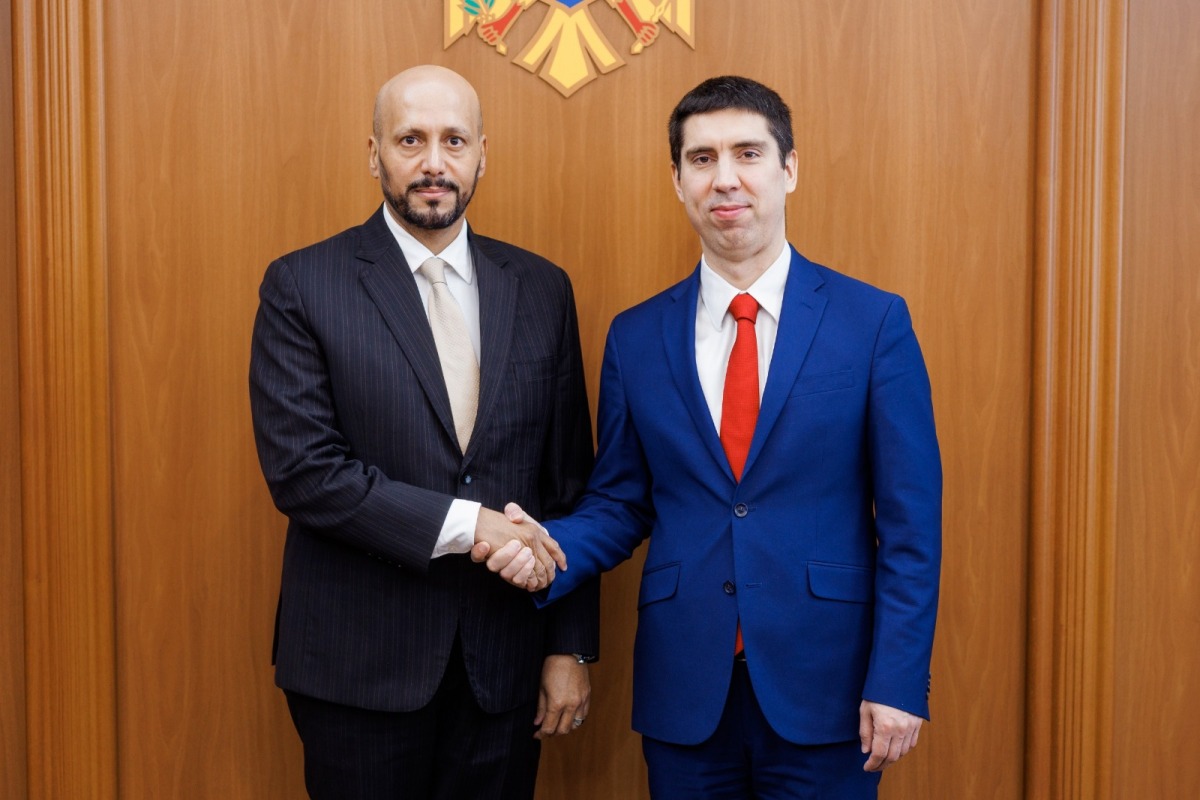

Moldova and Qatar are strengthening bilateral cooperation following a recent meeting between Moldovan Deputy Prime Minister and Minister of Foreign Affairs Mihai Popsoi and Qatari Ambassador to Moldova, Dr. Turki bin Abdullah Zaid Al Mahmoud. The discussion, held in Chisinau, focused on expanding ties between the two nations across various sectors. This development signals a growing interest in diplomatic and economic engagement between the European and Middle Eastern countries.
The meeting took place on January 23, 2024, at the Ministry of Foreign Affairs in Chisinau, Moldova. While specific details of the discussions weren’t publicly released, the Ministry of Foreign Affairs confirmed the focus was on identifying new avenues for collaboration. This engagement comes amid Moldova’s efforts to diversify its international partnerships and attract foreign investment.
Strengthening Moldova-Qatar Bilateral Cooperation
The meeting between Popsoi and Al Mahmoud represents a continuation of efforts to build stronger bilateral cooperation between Moldova and Qatar. Diplomatic relations between the two countries were established in 1998, but engagement has been relatively limited until recently. However, there’s been a noticeable increase in high-level discussions over the past year, suggesting a renewed commitment to fostering closer ties.
Areas of Potential Collaboration
Several areas are likely to be central to this increased cooperation. According to analysts, energy, agriculture, and infrastructure development are key sectors where Qatar could potentially invest in Moldova. Qatar’s sovereign wealth fund, the Qatar Investment Authority, has a significant global presence and could play a role in future projects.
Additionally, discussions likely touched upon potential collaboration in the field of education. Qatar has invested heavily in educational institutions and could offer expertise and resources to support Moldova’s educational reforms. The potential for cultural exchange programs was also likely considered, fostering greater understanding between the two nations.
Meanwhile, Moldova is actively seeking to align itself more closely with the European Union, having been granted candidate status in June 2022. This alignment could make Moldova an attractive partner for Qatar, offering access to the European market. The country is also navigating the economic challenges posed by the ongoing conflict in Ukraine, making diversification of economic partnerships crucial.
In contrast to some of its neighbors, Moldova has maintained a neutral stance on the conflict, seeking to avoid direct involvement. This position has allowed it to continue engaging with a wide range of international partners, including Qatar. The country’s strategic location and commitment to democratic values are also seen as positive attributes by potential investors.
The Qatari ambassador’s presence in Chisinau, with residence in Ankara, Turkey, underscores Qatar’s growing interest in the region. The appointment of a dedicated ambassador in 2023 signaled a commitment to strengthening diplomatic ties. This move followed increased trade between the two countries, though current trade volumes remain relatively modest.
Furthermore, the meeting occurred against the backdrop of Qatar’s broader strategy of strengthening its relationships with European nations. Qatar is a major supplier of liquefied natural gas (LNG) and is seeking to diversify its energy markets. This could present opportunities for Moldova, particularly as the country seeks to enhance its energy security and reduce its reliance on traditional energy sources.
The development of diplomatic relations between Moldova and Qatar also reflects a broader trend of increased engagement between Gulf states and Eastern European countries. This trend is driven by a combination of economic interests, geopolitical considerations, and a desire to diversify partnerships. Foreign investment from Qatar could provide a significant boost to Moldova’s economy.
Looking ahead, the next step will likely involve the formation of joint working groups to explore specific areas of cooperation in greater detail. These groups would be tasked with developing concrete proposals for projects and initiatives. A timeline for these developments remains uncertain, dependent on ongoing negotiations and internal approvals within both governments. Observers will be watching for any announcements regarding specific investment commitments or agreements in the coming months.