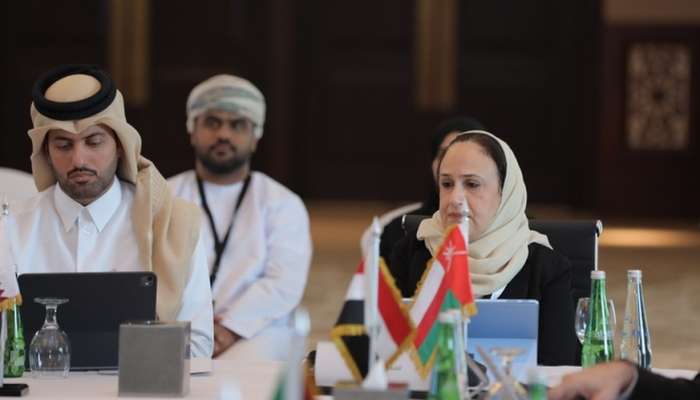

Abu Dhabi recently hosted the eleventh meeting of Undersecretaries of Arab Ministries of Finance, a significant gathering focused on strengthening economic stability and charting a course for sustainable growth across the region. The Sultanate of Oman actively participated, sharing its successful strategies for fiscal sustainability and contributing to discussions on leveraging new technologies and securing long-term financing for vital infrastructure projects. Representatives from influential global financial institutions like the International Monetary Fund (IMF), the World Bank, and the Organisation for Economic Cooperation and Development (OECD) were also present, adding weight to the deliberations.
Oman Showcases its Fiscal Turnaround in Abu Dhabi
The meeting provided a crucial platform for Oman to present its recent achievements in navigating economic challenges. The Ministry of Finance detailed the Sultanate’s journey towards fiscal consolidation, outlining the specific measures implemented to stabilize its financial position. This included a comprehensive approach to improving public debt management, a key area of focus for many nations in the region.
Key Strategies for Debt Management
Oman’s presentation highlighted several core strategies that underpinned its success. These included a deliberate effort to diversify revenue streams, reducing reliance on oil income. This diversification, coupled with prudent spending controls, allowed the Sultanate to significantly improve its financial health. The Ministry emphasized the importance of transparent and accountable financial practices as foundational to building investor confidence.
The Role of Artificial Intelligence in Public Finance
A central theme of the Abu Dhabi meeting was the potential of artificial intelligence (AI) to revolutionize public fiscal policies. Discussions centered on how AI can be used to enhance revenue forecasting, improve tax compliance, and optimize government spending. Participants explored practical applications of AI, recognizing its power to create more efficient and data-driven financial systems.
The potential benefits of AI extend beyond simple efficiency gains. AI-powered analytics can identify patterns and trends in economic data that might otherwise go unnoticed, allowing policymakers to make more informed decisions. Furthermore, AI can automate routine tasks, freeing up human resources to focus on more complex and strategic issues. However, the meeting also acknowledged the need for careful consideration of ethical implications and data security when implementing AI solutions in the public sector.
Sustainable Financing for Infrastructure Development
Another key area of focus was securing sustainable financing for infrastructure projects. Developing robust and resilient infrastructure is vital for long-term economic growth and improving the quality of life for citizens across the Arab world. However, traditional financing models are often insufficient to meet the scale of these needs.
The discussions explored innovative financing mechanisms, including public-private partnerships (PPPs) and green bonds. PPPs allow governments to leverage the expertise and capital of the private sector, while green bonds attract investment in environmentally sustainable projects. The meeting underscored the importance of creating a favorable investment climate to encourage both domestic and foreign investment in infrastructure.
Tax Implementation and Regional Cooperation
The Undersecretaries also addressed the latest developments in implementing tax decisions across Arab countries. Harmonizing tax policies and improving tax administration are crucial for fostering regional economic integration and ensuring fair competition. The meeting served as a forum for sharing best practices and addressing common challenges in tax collection and enforcement.
Additionally, the discussions touched upon the ongoing efforts of Arab governments to maintain fiscal stability in the face of global economic headwinds. The importance of regional cooperation and coordination was repeatedly emphasized, recognizing that collective action is essential for navigating shared challenges. The need for proactive measures to mitigate risks associated with public debt was also a prominent topic.
Preparing for the Council of Arab Finance Ministers
This meeting in Abu Dhabi was a crucial preparatory step for the seventeenth ordinary session of the Council of Arab Finance Ministers. The insights and recommendations generated during the Undersecretaries’ meeting will inform the agenda and discussions at the ministerial level. The goal is to build consensus on key policy priorities and to accelerate the implementation of reforms aimed at strengthening economic resilience and promoting sustainable development throughout the Arab region.
The Sultanate of Oman’s participation, and its demonstration of successful fiscal sustainability strategies, was particularly valuable. By sharing its experiences, Oman contributed to a broader understanding of how to overcome economic challenges and build a more prosperous future for all. The focus on artificial intelligence and sustainable financing signals a commitment to innovation and long-term planning, essential for navigating the complexities of the modern global economy.
This article is designed to be informative and engaging for a broad audience interested in regional economic developments. For further insights into Oman’s economic policies, please visit the official website of the Ministry of Finance of the Sultanate of Oman.