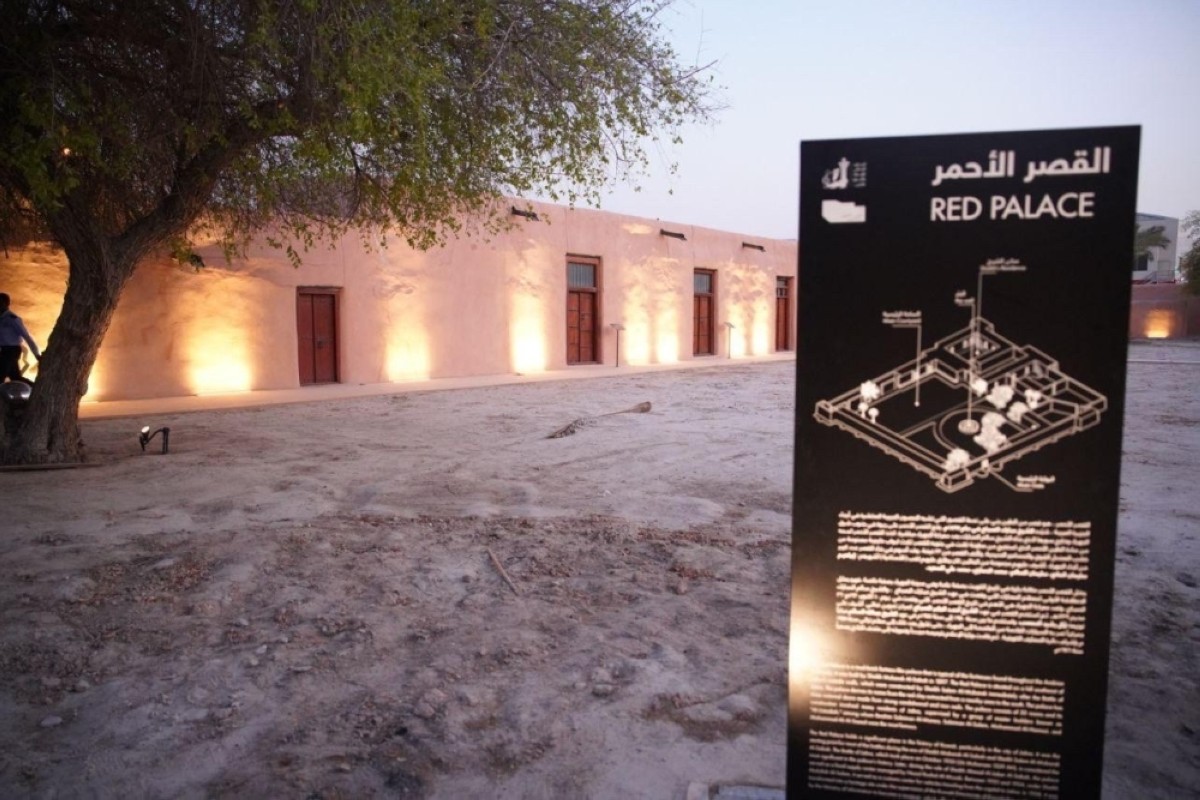

Kuwait is actively investing in preserving its rich history and transforming it into sustainable tourism and cultural hubs. The latest initiative focuses on the historically significant Red Fort Village project in the Jahra Governorate, with the Kuwait Municipality recently issuing a tender for qualified consulting firms to contribute to its development. This project aims to revitalize the area surrounding the iconic Red Fort, also known as the Red Palace, and create a destination that honors Kuwait’s heritage while fostering economic growth.
The Significance of the Red Fort and Jahra
The Red Fort holds a pivotal place in Kuwaiti history. Constructed in 1897, its original purpose was to defend the Al-Jahra region. However, it’s perhaps best known as the site of the fierce 1920 Battle of Jahra, a defining moment in Kuwait’s struggle for independence and self-governance. For years, the fort remained closed to the public, but a comprehensive restoration project, spearheaded by Kuwait’s National Council for Culture, Arts and Letters, culminated in a grand reopening in 2025.
This restoration wasn’t merely about preserving the structure itself. It encompassed a broader vision for the surrounding area, including improvements to infrastructure like roads, sidewalks, and parking facilities. Beautiful terraces and gardens were added, enhancing the visitor experience and creating a welcoming atmosphere.
A New Museum: Arms & Armory
A particularly exciting addition to the revitalized Red Fort is the new “Arms & Armory Museum.” This museum will showcase a collection of historical weaponry and artifacts, providing a tangible connection to the fort’s defensive past and the broader military history of Kuwait. It’s a key component in transforming the site into a compelling educational and cultural resource.
Kuwait Municipality Launches Tender for Red Fort Village Development
Recognizing the growing cultural tourism potential of the area, the Kuwait Municipality has launched a tender seeking expert advisory studies for the Red Fort Village project. Deputy Director-General for Project Sector Affairs, Maysa Boushehri, emphasized the importance of this initiative. “This tender highlights the historical and heritage value of the Jahra area,” she stated. “It focuses on transforming nationally significant sites into sustainable development projects that strengthen Kuwaiti identity and serve the community.”
The scope of the tender is extensive, requiring consulting firms to develop comprehensive plans that integrate the fort’s historical context with modern amenities and sustainable practices. The municipality is looking for proposals that are not only technically sound but also realistically implementable. They are specifically encouraging teams with proven experience in similar heritage site developments.
Cultural Events and Community Engagement
Since its reopening, the Red Fort has quickly become a vibrant center for cultural activity. The recently concluded second Jahra Cultural Season exemplified this, bringing together Kuwaiti artists, craftspeople, and cultural groups in a celebration of national identity.
The season featured a diverse program, including heritage exhibitions that showcased traditional Kuwaiti crafts and artistry. Traditional performances, such as music and dance, captivated audiences, while interactive workshops offered children a hands-on opportunity to learn about their cultural heritage. This focus on community engagement is crucial for ensuring the long-term success of the Red Fort Village as a living, breathing cultural destination. The aim is to foster a sense of pride and ownership among Kuwaiti citizens, particularly the younger generation.
A Vision for Sustainable Development and Investment
The Red Fort Village project is more than just a historical preservation effort; it’s a strategic initiative designed to stimulate economic growth and attract investment. Boushehri explained that the project aims to create a destination that “reflects the region’s history, provides a high-quality experience for visitors and supports the investment environment by expanding opportunities for private sector participation.”
This includes exploring opportunities for boutique hotels, traditional restaurants, and artisan shops that complement the fort’s historical character. The development will also prioritize sustainable practices, minimizing its environmental impact and ensuring its long-term viability. The project aligns with Kuwait’s broader economic diversification goals, reducing reliance on oil and fostering a thriving tourism sector.
The municipality is keen to attract private sector investment, believing that a collaborative approach is essential for realizing the full potential of the site. This will involve creating a favorable regulatory environment and offering incentives to encourage participation. Furthermore, the project will contribute to job creation and skills development within the local community.
Next Steps and Encouragement for Consultants
The Kuwait Municipality is now actively reviewing submissions from interested consulting firms. They have urged all teams to carefully examine the tender documents and ensure full compliance with all requirements and deadlines. “We encourage strong, implementable technical proposals,” Boushehri reiterated, emphasizing the importance of practical and well-considered plans.
The successful consulting firm will play a vital role in shaping the future of the Red Fort Village, helping to transform it into a landmark destination that celebrates Kuwait’s past while contributing to its future. This project represents a significant investment in Kuwait’s cultural heritage and a commitment to sustainable development, promising a vibrant and enriching experience for both residents and visitors alike. The development of this area will undoubtedly boost local economy and provide a unique cultural experience.