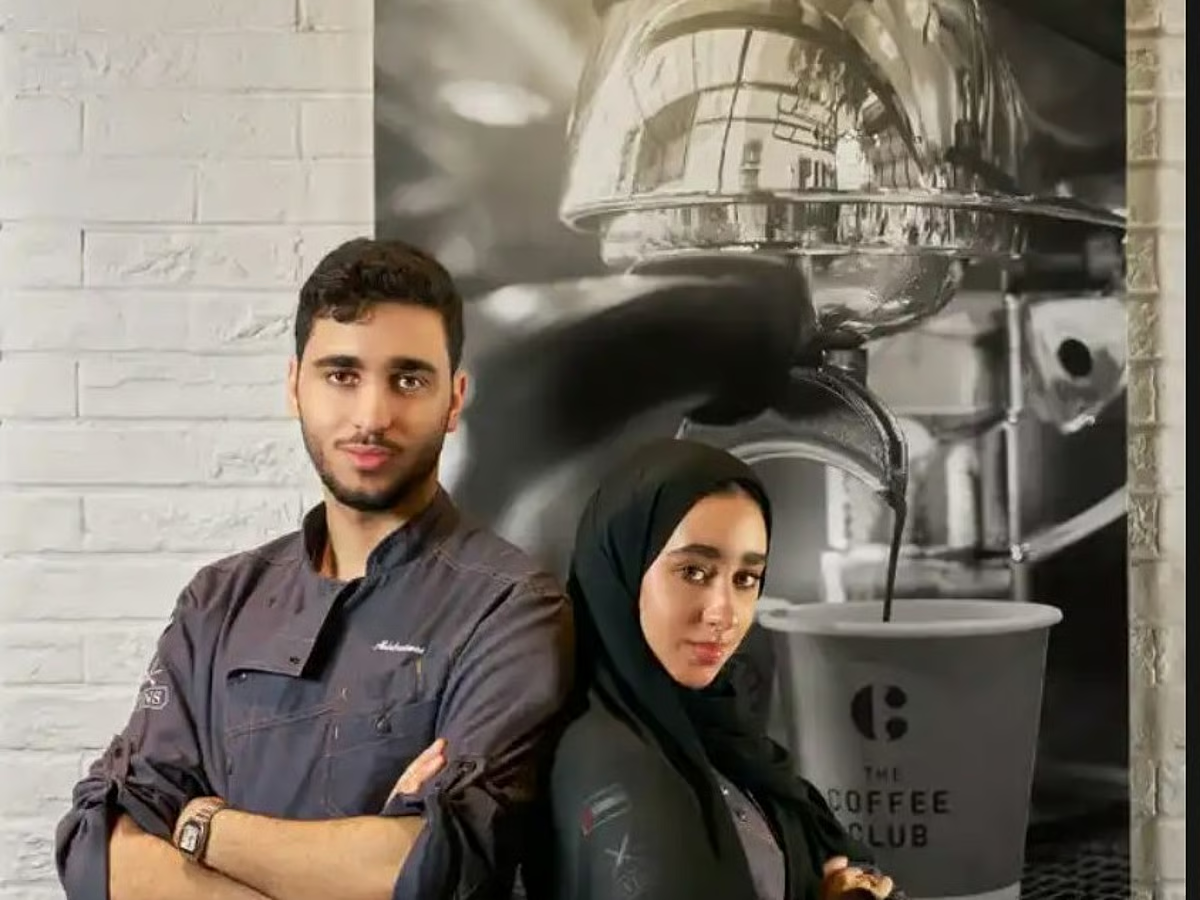

The Coffee Club in the United Arab Emirates is now offering a new menu featuring distinctly Emirati flavours, a collaboration designed to bring traditional tastes into everyday dining experiences. The initiative, spearheaded by Emirati twin sisters, aims to make the country’s cuisine more accessible beyond special occasions and home gatherings. The new offerings debuted in select locations this month and represent a growing trend of cultural fusion in the UAE’s food and beverage sector.
The partnership between the twins and the international café chain focuses on incorporating ingredients and profiles familiar to Emirati palates into familiar café formats. This includes unique gelato flavours and savory dishes, all designed to be enjoyed casually. The project is currently rolling out across The Coffee Club’s UAE branches, with further expansion planned based on initial customer response.
Bringing Emirati Flavours to the Forefront
Traditionally, Emirati cuisine has been largely reserved for celebrations, family events, and hospitality towards guests. This has created a perception of it being complex or time-consuming to prepare, limiting its presence in quick-service or casual dining settings. The twins recognized this gap and sought to bridge it by reimagining classic tastes in a more approachable way.
A Focus on Familiarity and Innovation
The menu development centered around ingredients deeply rooted in Emirati culinary heritage, such as dates, saffron, karak tea, and hibiscus. However, these ingredients aren’t simply replicated in traditional dishes. Instead, they are integrated into items commonly found in a café setting, like gelato and meatballs. This approach allows customers to experience authentic tastes in a novel and convenient format.
For example, the Date Meatballs offer a familiar dish with a distinctly Emirati twist, utilizing a date meat blend. Similarly, the saffron and hibiscus gelato transforms traditional ingredients into a modern, experimental dessert. The goal, according to those involved, was to create an “authentic taste with a modern international presentation.”
This isn’t the first instance of Emirati chefs and food entrepreneurs seeking to elevate their national cuisine. A growing number of local restaurants and culinary initiatives are focused on preserving and promoting Emirati food culture, often with a contemporary spin. This trend reflects a broader national effort to celebrate and share Emirati heritage with both residents and tourists.
The UAE’s food and beverage industry is a significant contributor to the country’s economy, and the government actively supports initiatives that promote culinary tourism and innovation. Recent reports indicate a substantial increase in spending on dining experiences within the UAE, driven by a growing population and a thriving tourism sector. This provides a favorable environment for ventures like the Coffee Club collaboration to flourish.
The success of this collaboration could encourage other international chains operating in the UAE to incorporate local flavours into their menus. This would not only diversify the dining options available but also contribute to the preservation and promotion of Emirati culinary traditions. Additionally, it could inspire more Emirati entrepreneurs to explore opportunities within the food and beverage industry.
The move also aligns with global trends in food, where consumers are increasingly seeking authentic and culturally diverse experiences. The demand for locally-sourced ingredients and traditional recipes is rising worldwide, and the UAE is well-positioned to capitalize on this trend. The popularity of UAE cuisine is growing internationally, with Emirati restaurants opening in major cities around the globe.
However, challenges remain in ensuring the long-term sustainability of these initiatives. Maintaining the authenticity of flavours while adapting to mass production and international standards requires careful consideration. Furthermore, educating consumers about the nuances of Emirati cuisine is crucial for fostering appreciation and demand.
The Coffee Club is monitoring customer feedback closely and plans to adjust the menu based on preferences. A full evaluation of the project’s impact is expected within the next quarter, which will determine the extent of the rollout to other locations and potential for further menu expansion. The future of this initiative, and similar ventures, will depend on their ability to balance tradition with innovation and appeal to a broad audience.
Looking ahead, the continued integration of local food into mainstream dining is likely. The UAE’s culinary landscape is evolving rapidly, and the success of this partnership will be a key indicator of whether this trend will continue to gain momentum. Industry analysts will be watching to see if other major chains follow suit and how Emirati chefs continue to innovate and share their culinary heritage.