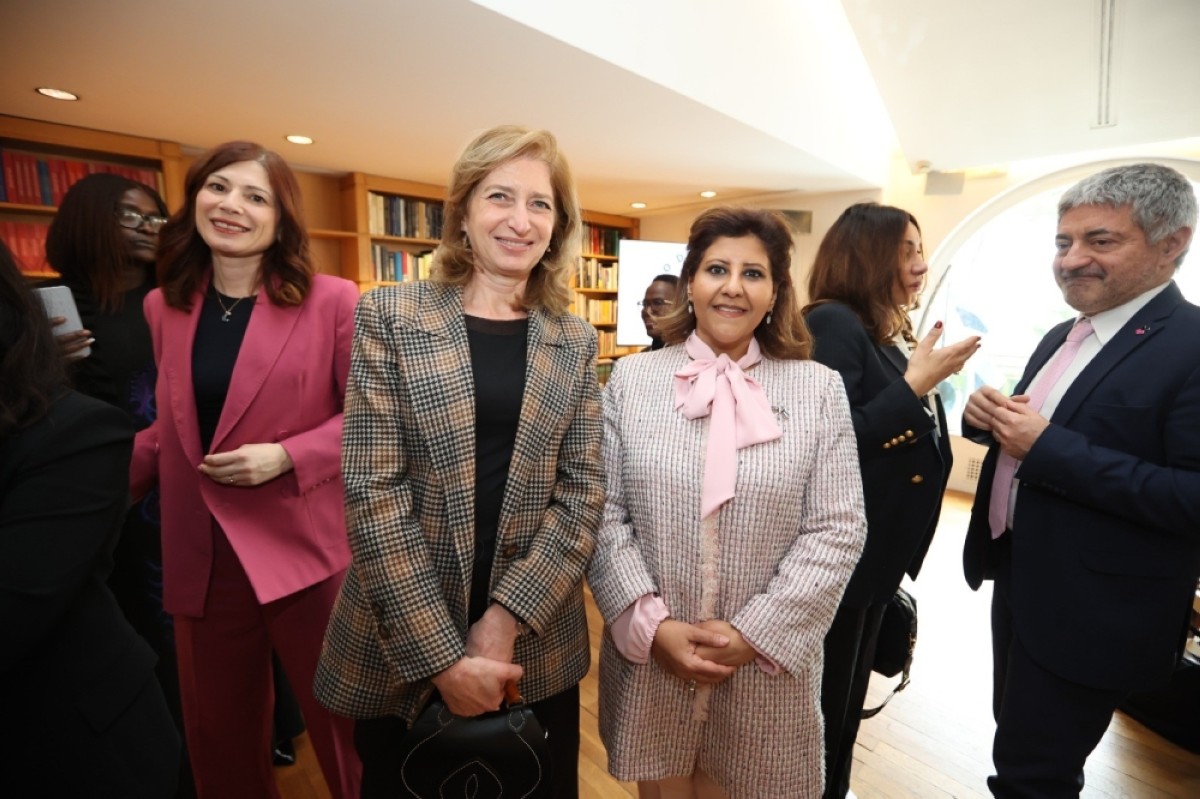

The pursuit of lasting peace and security globally requires a fundamental shift in approach, one that actively and meaningfully includes women at all levels. Recent discussions in Rome, spearheaded by Kuwait’s Assistant Foreign Minister for Human Rights, Sheikha Jawaher Ibrahim Al-Duaij Al-Sabah, underscored this critical point, highlighting that the issue isn’t a lack of qualified women, but a systemic lack of opportunity for their involvement in women in peacebuilding. This article delves into the key takeaways from the high-level dialogue and the urgent need for increased female participation in conflict resolution.
The Core Challenge: Access, Not Ability, Hinders Women in Peacebuilding
Sheikha Jawaher, following her participation in the dialogue hosted by the Italian Ministry of Foreign Affairs and International Cooperation on January 20-21, powerfully stated that women possess the necessary skills, training, and expertise to be effective contributors to peace processes. The real impediment, she emphasized, isn’t a deficit in capability, but rather limited access to decision-making roles and negotiation tables. This observation cuts to the heart of the matter: simply acknowledging the importance of gender equality isn’t enough. Concrete action is needed to dismantle the barriers preventing women from participating fully.
This isn’t merely a matter of fairness; it’s a matter of efficacy. Numerous studies demonstrate that peace agreements are more durable and comprehensive when women are involved in their creation. Their perspectives often bring a broader understanding of the conflict’s impact, leading to solutions that address the needs of all segments of society.
Political Will as a Catalyst for Change
Sheikha Jawaher rightly pointed to the necessity of “clear political will” to translate international commitments – like those enshrined in UN Security Council Resolution 1325 – into tangible policies. Resolutions and declarations are vital, but without dedicated resources and a genuine commitment from governments, they remain largely symbolic.
This political will must manifest in several ways, including targeted funding for women-led peace initiatives, the development of national action plans on women, peace and security, and a conscious effort to identify and support potential female mediators and negotiators.
Italy Champions Enhanced Female Leadership in Conflict Resolution
The dialogue in Rome wasn’t solely a Kuwaiti initiative. The Italian government, through the Ministry of Foreign Affairs and International Cooperation, actively championed the cause of increased female participation. Cecilia Piccioni, Director General for Political and Security Affairs and Deputy Secretary-General, stressed the importance of strengthening women’s leadership in mediation and peacebuilding.
She articulated that the inclusion of women isn’t just a desirable outcome, but a “cornerstone for achieving stability and sustainable security” at both regional and international levels. Italy’s commitment was further underscored by the presence of Laura Mattarella, daughter of President Sergio Mattarella and Italy’s First Lady, demonstrating a high-level endorsement of the issue.
Strengthening Systems for Greater Inclusion
Beyond political will, the dialogue focused on practical steps to improve the representation of women in peace processes. Sheikha Jawaher highlighted the importance of strengthening selection systems and appointment mechanisms. This means actively seeking out and cultivating a larger pool of qualified female candidates.
This also requires addressing unconscious biases that may influence decision-making. Traditional notions of leadership often favor masculine traits, potentially overlooking the unique skills and perspectives that women bring to the table. Investing in training programs specifically designed for women in conflict resolution is another crucial step. These programs can equip them with the necessary tools and knowledge to navigate complex negotiations and mediation scenarios.
Furthermore, creating networks of support for women peacebuilders is essential. These networks can provide mentorship, resources, and a platform for sharing experiences and best practices. Often, women working in conflict zones face significant security risks and social stigma. A strong support system can help mitigate these challenges and empower them to continue their vital work.
The Broader Impact of Inclusive Peace Processes
The benefits of including women in peacebuilding extend far beyond the immediate resolution of conflicts. When women are empowered to participate in shaping their societies, it leads to more inclusive governance, improved economic opportunities, and greater social cohesion. This, in turn, contributes to long-term stability and sustainable development.
Moreover, women’s participation can help address the root causes of conflict, such as gender inequality and discrimination. By challenging traditional power structures and promoting women’s rights, peace processes can create a more just and equitable society for all.
In conclusion, the dialogue in Rome served as a powerful reminder that achieving lasting peace requires a concerted effort to include women at all levels. The challenge isn’t a lack of qualified individuals, but a systemic failure to provide them with the opportunities they deserve. By prioritizing political will, strengthening selection systems, and investing in women’s training and support, we can unlock their full potential as agents of peace and build a more secure and sustainable future.
Let’s continue the conversation – what specific actions can you take to support women in peacebuilding within your own community or sphere of influence? Share your thoughts and ideas in the comments below.