






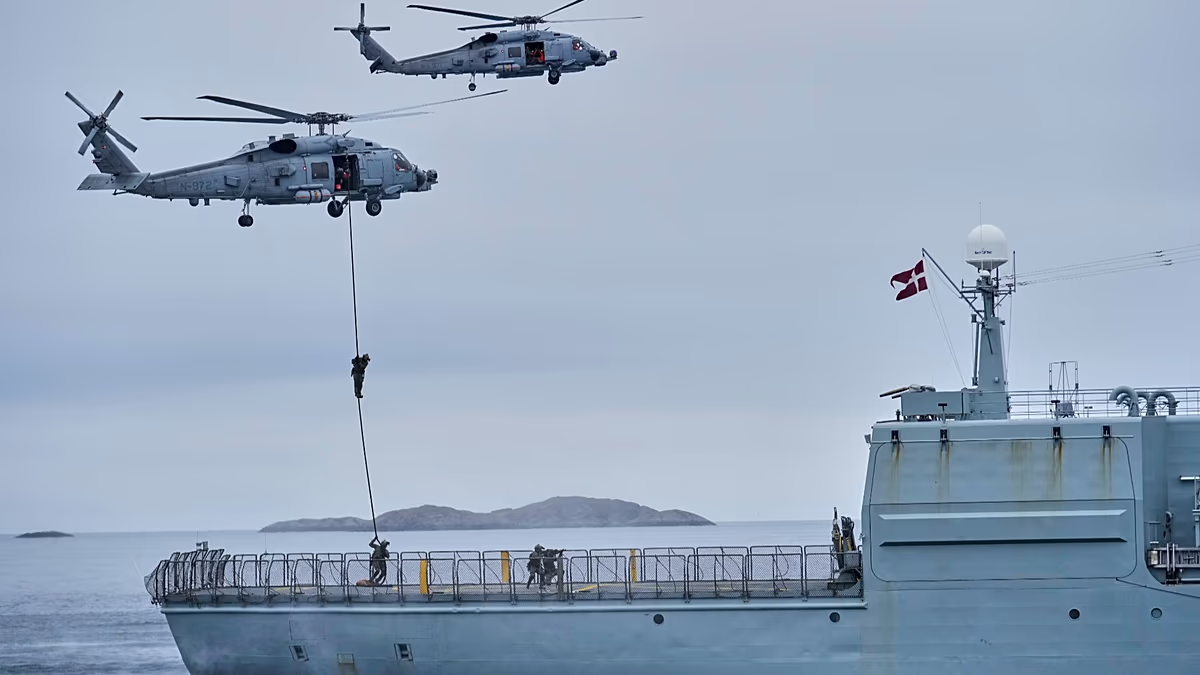

NATO military planners are awaiting formal direction following a framework agreement between the United States and Denmark regarding Greenland security. The agreement, reached on Wednesday, appears to have averted an escalation in trade tensions as President Trump had threatened additional tariffs on European nations. While details remain limited, officials confirmed the deal does not alter Greenland’s sovereignty.
Admiral Guiseppe Cavo Dragone, Chair of NATO’s Military Committee, stated on Thursday that planning for any potential mission related to the agreement is on hold until receiving specific guidance from political leaders. He emphasized the alliance’s preparedness to act once that direction is provided, highlighting the importance of a coordinated response to evolving security concerns in the region.
Understanding the Greenland Security Framework
The framework deal stems from increased U.S. interest in Greenland’s strategic location, particularly in light of Russia’s military activity in the Arctic and growing competition for resources. President Trump had previously expressed interest in purchasing Greenland, a proposal rejected by both Denmark and Greenlandic officials. The recent tariff threat was reportedly linked to a desire for greater U.S. influence over security arrangements on the island.
According to statements from both U.S. and Danish officials, the agreement focuses on enhanced cooperation and infrastructure investment, potentially including elements of the U.S.-proposed “Golden Dome” missile defense system. Danish Prime Minister Mette Frederiksen has indicated a willingness to discuss strengthening Arctic security through such initiatives, but stressed the importance of respecting Greenland’s territorial integrity.
NATO’s Supreme Allied Commander Europe (SACEUR), General Alexus G. Grynkewich, confirmed that no formal mission planning has begun, but acknowledged ongoing internal discussions about potential organizational structures should a deployment be authorized. He noted that several NATO exercises are already scheduled in the Arctic, though none currently within Greenland itself.
French Proposal for Joint Exercise
France has proactively offered to contribute to a potential joint NATO exercise in Greenland, signaling a strong commitment to bolstering security in the High North. This proposal, made on Wednesday, underscores the growing recognition within the alliance of the Arctic’s increasing strategic significance.
Despite the lack of immediate planning, SACEUR reassured reporters that NATO possesses the capabilities to respond effectively to any security challenges in the region. He highlighted the contributions of Nordic nations – Sweden, Finland, Norway, and Denmark – and emphasized the unique advantages offered by Finland and Sweden’s recent accession to the alliance. These countries bring specialized expertise in cold-weather operations and a deep understanding of the Arctic environment.
The need for enhanced capabilities in the Arctic was further emphasized by Grynkewich, who pointed to the long lead times required for installing new sensors and detection systems. Investing in these technologies is seen as crucial for maintaining situational awareness and responding to potential threats in the vast and challenging Arctic landscape. This focus on advanced technology aligns with broader NATO modernization efforts.
The situation is further complicated by the evolving geopolitical landscape, including increased Russian military presence in the Arctic. NATO officials are closely monitoring these developments and assessing their implications for alliance security. The agreement with Denmark is viewed as a step towards addressing these concerns and ensuring a stable and secure Arctic region.
The framework deal also touches upon broader discussions regarding burden-sharing within NATO, a recurring theme during the Trump administration. While the specifics of the agreement haven’t been fully disclosed, it’s likely to involve commitments from Denmark and other European allies to increase defense spending and contribute more to collective security efforts.
Looking ahead, the next steps will involve NATO’s political leadership providing clear direction to military planners. The alliance will need to carefully consider the logistical, legal, and political implications of any potential mission in Greenland. Continued dialogue between the U.S., Denmark, and other NATO allies will be essential for ensuring a coordinated and effective approach to Greenland security and maintaining stability in the Arctic. Stay tuned for further updates as the situation develops.