



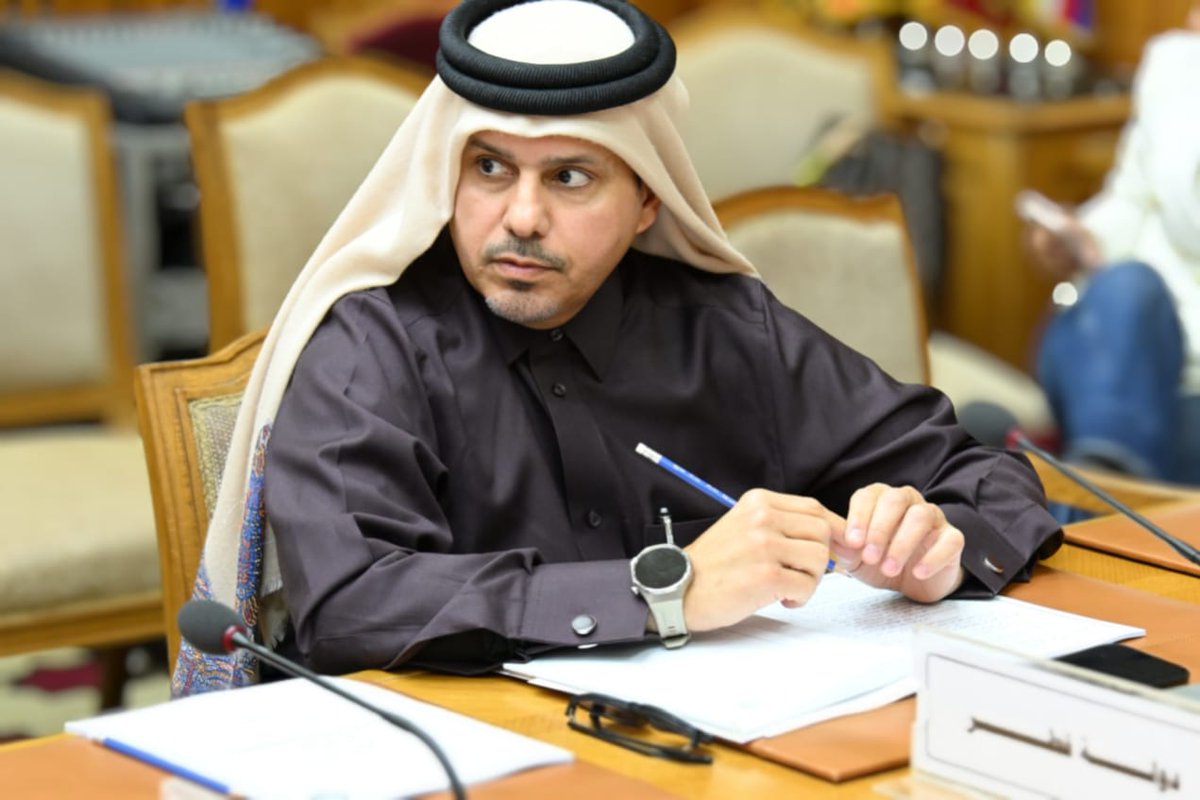

Qatar Media Corporation (QMC) actively participated in preparatory meetings at the League of Arab States in Cairo, focusing on key regional media initiatives. Discussions centered around bolstering cybersecurity, promoting sustainable development through media, and countering terrorism, all in advance of the 104th regular session of the Permanent Committee for Arab Media and the 22nd session of the Executive Bureau of the Council of Arab Information Ministers scheduled for February in Kuwait. These meetings highlight a growing collaborative effort among Arab nations to address shared challenges in the information landscape.
Led by Abdullah Ghanem Al Binali Al Mohannadi, Director of International Cooperation and Agreements, the QMC delegation engaged in several working groups. The discussions underscored the importance of a unified approach to media regulation and development across the Arab world, particularly in the face of evolving digital threats and the need for sustainable practices. The outcomes of these meetings will shape the agenda for the upcoming ministerial sessions in Kuwait.
Strengthening Cybersecurity Measures in the Arab World
A significant focus of the meetings was on enhancing cybersecurity across Arab media platforms. QMC presented a draft law on cybersecurity intended for review at the Kuwait sessions, demonstrating Qatar’s commitment to protecting individuals and infrastructure from online attacks. According to QMC representatives, the law aims to establish a robust legal framework for addressing cybercrime and promoting responsible online behavior.
The discussions followed up on Resolution No. (566) of the Council of Arab Information Ministers, which calls for strategies to regulate and develop digital media. Participants explored methods for fortifying websites and electronic platforms against breaches, and addressed concerns about the impact of violent or terrorist content in online games. This reflects a broader regional concern about the potential for digital platforms to be exploited for malicious purposes.
Promoting Sustainable Development Goals
Beyond security, the meetings addressed the role of media in achieving the Sustainable Development Goals (SDGs). QMC showcased its efforts to raise awareness through television and radio programs, as well as social media campaigns. Qatar Radio, in particular, has collaborated with the Ministry of Environment and Climate Change to produce content focused on environmental awareness and preserving cultural heritage, according to the QMC report.
The Expert Group on the Media Roadmap for Sustainable Development emphasized the need for continued investment in media initiatives that promote the SDGs. The group also discussed leveraging social media to amplify these messages and reach wider audiences. This aligns with global efforts to utilize media as a tool for positive social and environmental change.
Combating Terrorism and Extremism
The role of Arab media in countering terrorism remained a crucial topic. The Permanent Expert Group focused on developing a professional and conscious media discourse that actively dismantles extremist ideologies. Participants stressed the importance of protecting youth from radicalization through responsible reporting and diverse media programming.
Additionally, the group called for increased cooperation and joint media practices among Arab countries to effectively combat terrorism. This includes sharing best practices and coordinating messaging to counter extremist narratives. The discussions acknowledged the evolving nature of terrorist threats and the need for a dynamic and adaptable media response.
The meetings also covered the unified Arab plan for addressing environmental issues through media and the Arab strategy for media and information literacy. These initiatives aim to equip media professionals with the skills and knowledge necessary to report effectively on complex issues and promote critical thinking among citizens. The development of these strategies is seen as vital for fostering a more informed and resilient Arab society.
Looking ahead, the outcomes of these preparatory meetings will be formally presented and debated at the 104th regular session of the Permanent Committee for Arab Media and the 22nd session of the Executive Bureau of the Council of Arab Information Ministers in Kuwait next February. The final resolutions and action plans adopted at that time will likely shape regional media policy and initiatives for the coming year, with ongoing monitoring of progress expected throughout 2026. The success of these collaborative efforts will depend on sustained commitment and effective implementation by member states.