




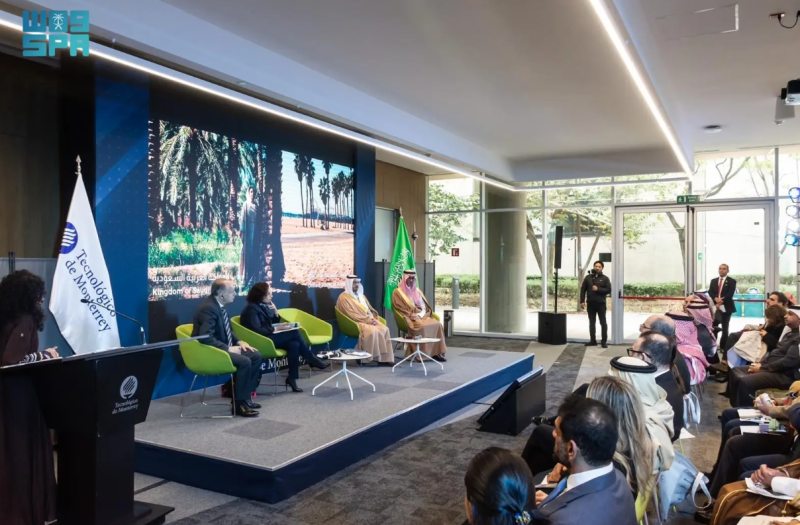

Riyadh, Mexico City – The King Salman Global Academy for Arabic Language has initiated a month-long program dedicated to bolstering Arabic language education in Mexico. The initiative, launched in January, aims to support non-native speakers learning Arabic and increase the language’s prominence within Mexican academic institutions. The program represents a key component of Saudi Arabia’s broader efforts to promote Arabic language and culture internationally.
The program’s opening ceremony in Mexico included the Custodian of the Two Holy Mosques’ Ambassador to Mexico, Fahd bin Ali Al-Manawer, alongside leaders from various educational and cultural organizations. Initial training courses have already begun, targeting educators and students interested in Arabic. This expansion into Mexico builds on the Academy’s existing international outreach programs.
Expanding Arabic Language Reach in Latin America
The Academy’s Secretary-General, Abdullah bin Saleh Al-Washmi, stated the program’s core objective is to establish Arabic as a vital language for both knowledge acquisition and cross-cultural communication within diverse academic settings. This initiative aligns with Saudi Vision 2030’s Human Capability Development Program, which prioritizes investment in education and skills development. The program’s focus on teacher training is expected to have a ripple effect, improving the quality of Arabic instruction across Mexico.
The selection of Mexico as a focal point for this initiative is strategic. Mexico represents a significant opportunity for expanding the reach of Arabic language education in Latin America, a region with growing interest in Middle Eastern cultures and economies. Additionally, the program benefits from strong collaboration with the Saudi Arabian Embassy in Mexico, which facilitated logistical support and coordination.
Program Components and Activities
The “Arabic Language Month” program encompasses a variety of activities designed to address the specific needs of the Mexican educational landscape. A key component is a scientific seminar dedicated to assessing the current state of Arabic language education in Mexico and identifying existing challenges. This assessment will inform future program development and resource allocation.
Participants will also have the opportunity to take the “Hamza” academic proficiency test, a standardized assessment of Arabic language skills. The test results will provide valuable data on learner progress and identify areas for improvement. Furthermore, the program includes scientific and cultural visits to enhance understanding and appreciation of Arabic culture.
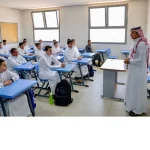
The Monterrey Institute of Technology and Higher Education, through its College of International Relations, is a primary partner in implementing the program. This collaboration leverages the institute’s established academic infrastructure and its network of students and faculty. The program is specifically designed for teachers, learners, and anyone involved in teaching Arabic to non-native speakers.
According to the Academy, the initiative directly supports the goals of the Human Capability Development Program by enhancing the presence of Arabic in both education and scientific research. This increased visibility is intended to foster greater understanding and collaboration between Saudi Arabia and Mexico in academic and cultural spheres. The program also aims to promote a more nuanced understanding of Arabic culture, countering potential misconceptions.
However, the long-term success of the program will depend on sustained funding and continued collaboration between the King Salman Global Academy for Arabic Language and Mexican institutions. Maintaining momentum and adapting the program to evolving educational needs will be crucial. The initiative also faces the broader challenge of increasing global interest in Arabic studies, which has seen fluctuations in recent years.
Meanwhile, the Academy is actively exploring opportunities to replicate this model in other countries. The program’s success in Mexico could serve as a blueprint for expanding Arabic language education in other regions of Latin America and beyond. This expansion is part of a larger trend of increased international interest in language learning and cultural exchange.
The Academy has not yet announced specific plans for future international programs, but officials indicate that further announcements are expected in the coming months. The next step involves evaluating the impact of the Mexico program through participant feedback and performance data. The results of this evaluation will likely influence the Academy’s strategic planning for Arabic instruction in the years ahead. Monitoring the program’s long-term effects on student enrollment in Arabic courses and the development of Arabic language resources in Mexico will be key indicators of its success.