



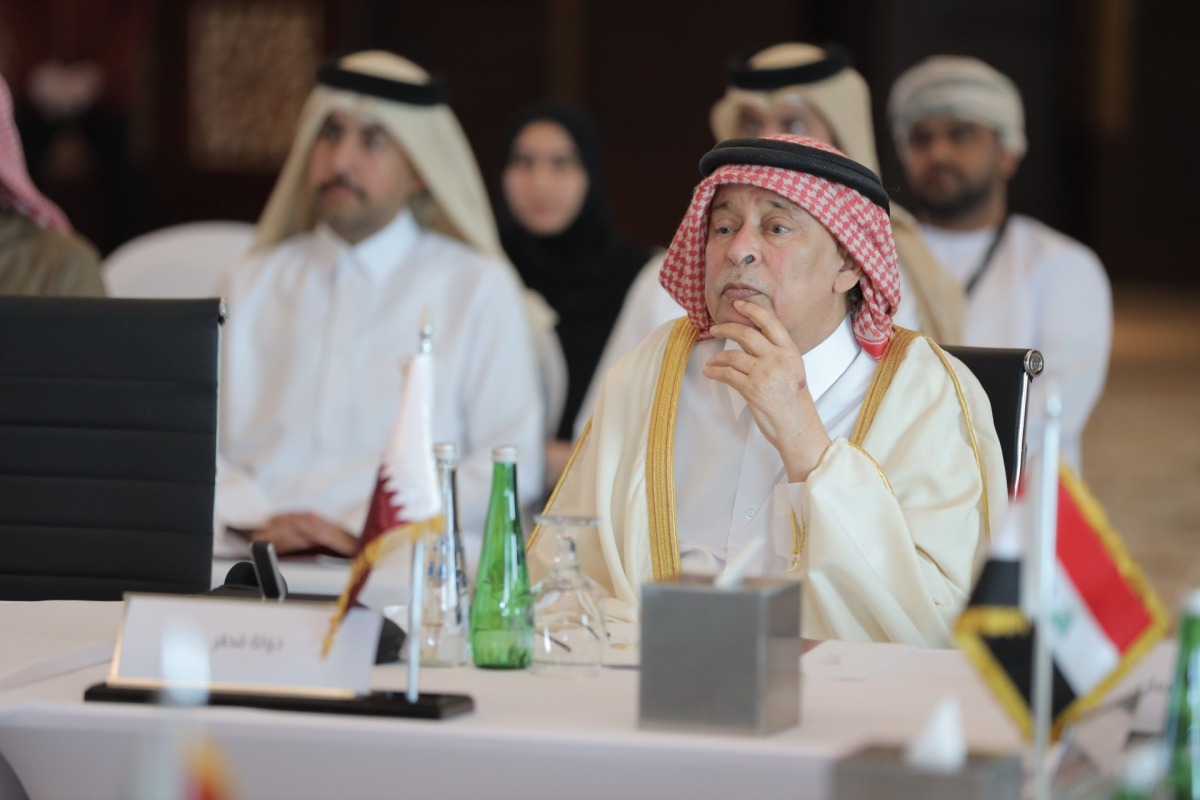

Abu Dhabi recently hosted the 11th meeting of Deputies of Arab Finance Ministries, with the State of Qatar actively participating in discussions focused on bolstering fiscal policy across the region. The meeting, organized by the Arab Monetary Fund (AMF), convened from January 22nd and 23rd, bringing together financial leaders to address key economic challenges and opportunities. Qatar’s delegation, led by Undersecretary of the Ministry of Finance, HE Khalaf bin Ahmed Al Mannai, contributed to conversations surrounding artificial intelligence, sustainable financing, and social safety nets.
The two-day event, held in the United Arab Emirates, also included expertise from prominent international financial institutions such as the International Monetary Fund (IMF), the World Bank, and the Organisation for Economic Co-operation and Development (OECD). This collaboration aimed to provide a comprehensive perspective on the economic landscape facing Arab nations and to formulate effective strategies for future growth and stability.
Strengthening Fiscal Policy in the Arab World
The core objective of the Deputies meeting is to prepare groundwork for the higher-level Council of Arab Finance Ministers. Discussions centered on enhancing economic cooperation and coordination among member states, particularly in the context of global economic uncertainties. According to the AMF, a key focus was identifying ways to improve the efficiency and transparency of public financial management.
AI and the Future of Finance
One significant topic explored was the potential of artificial intelligence (AI) to revolutionize public finance. Participants examined how AI tools could be leveraged to improve revenue forecasting, optimize government spending, and detect financial fraud. The report indicates that several Arab countries are already piloting AI-driven solutions in specific areas of their fiscal operations.
Sustainable Financing for Infrastructure
The need for sustainable financing to support infrastructure development was another prominent theme. Many Arab nations face substantial infrastructure gaps, hindering economic diversification and long-term growth. The meeting explored innovative financing mechanisms, including public-private partnerships and green bonds, to attract investment in sustainable infrastructure projects. This aligns with broader regional commitments to environmental sustainability and the diversification of economies away from reliance on oil revenues.
Additionally, the delegates discussed the importance of strengthening social safety nets to protect vulnerable populations from economic shocks. Experiences from various Arab countries were shared, highlighting best practices in designing and implementing effective social assistance programs. The Ministry of Finance emphasized the need for targeted interventions that address specific needs and promote self-reliance.
The discussions on social safety nets come at a crucial time, as many countries in the region are grappling with the socio-economic consequences of rising inflation and geopolitical instability. Effective social programs are seen as vital for maintaining social cohesion and ensuring inclusive growth. The IMF representatives shared insights on macroeconomic policies that can support both fiscal sustainability and social protection.
Meanwhile, the integration of digital technologies into financial systems, often referred to as financial technology or FinTech, was also touched upon. The potential of FinTech to enhance financial inclusion and improve the efficiency of payment systems was recognized, but participants also acknowledged the need to address regulatory challenges and cybersecurity risks.
In contrast to previous meetings, this year’s agenda placed a greater emphasis on the long-term implications of climate change on Arab economies. The World Bank presented research on the potential economic costs of climate change in the region and highlighted the importance of investing in climate resilience measures. This included discussions on adapting agricultural practices and developing renewable energy sources.
The outcomes of the Deputies meeting will be presented to the Council of Arab Finance Ministers for consideration. The next meeting of the Council is scheduled to take place in the coming months, though a specific date has not yet been announced. Key decisions regarding regional economic cooperation and policy coordination are expected to be made at that time. The effectiveness of these decisions will depend on the willingness of member states to implement agreed-upon reforms and to address ongoing challenges related to debt sustainability and economic diversification.
Looking ahead, observers will be watching for concrete steps taken by Arab finance ministries to incorporate AI into their operations, promote sustainable financing, and strengthen social safety nets. The success of these initiatives will be crucial for fostering long-term economic stability and prosperity in the region. Further details on the specific recommendations and action plans developed during the meeting are anticipated to be released by the AMF in the near future.