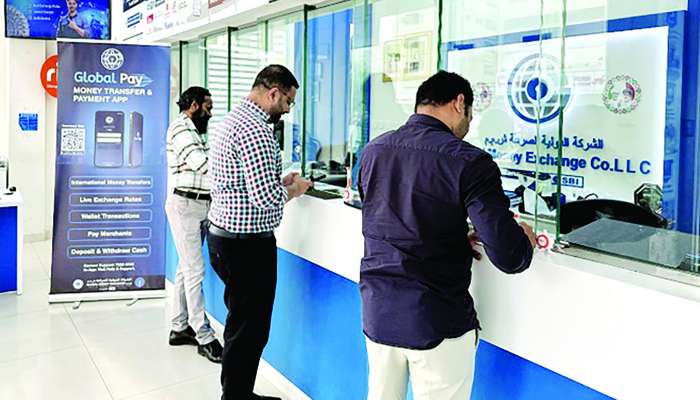

The Indian rupee is currently facing significant headwinds, reaching a new all-time low against the US dollar and impacting exchange rates in countries with strong trade ties to India, like Oman. On Wednesday, the Indian rupee plunged, closing at 91.69 to the dollar, and nearing 238 against the Omani rial in Muscat exchange houses. This decline is causing concern for Indian expats in Oman and businesses involved in cross-border transactions. Understanding the factors driving this depreciation and potential future outlook is crucial for those affected.
Rupee’s Recent Plunge: A Deep Dive
The recent weakening of the Indian rupee isn’t a sudden event, but rather a continuation of a downward trend. The currency touched an intra-day low of 91.74 against the US dollar before settling at 91.69, a considerable drop from Tuesday’s close of 90.97. In Oman, this translates to exchange houses offering approximately 237.20 to 237.60 Omani rials for one US dollar, directly reflecting the rupee’s struggles.
This volatility is a complex interplay of both global and domestic pressures. Financial expert R. Madhusoodanan, based in Muscat, highlights the significant fluctuations experienced during the trading session, emphasizing the need to analyze the contributing factors.
Global Economic Pressures
Several international issues are contributing to the rupee’s decline. Rising geopolitical tensions, particularly concerns surrounding the Greenland issue, are driving investors towards safer assets. This “flight to safety” sees capital flowing away from emerging markets like India and into perceived havens like gold.
Indeed, gold prices have reached record highs, further illustrating this risk-averse behavior. When global uncertainty increases, the US dollar often strengthens as a global reserve currency, putting pressure on other currencies, including the Indian rupee.
Domestic Challenges Impacting the Rupee
The situation isn’t solely dictated by external forces. Domestic factors within India are also playing a key role. Persistent outflows of foreign portfolio investment (FPI) from Indian equity markets are a major concern. Investors are pulling their money out of Indian stocks, reducing demand for the rupee.
Adding to this pressure is the stalled progress on a trade agreement with the United States. The lack of a finalized deal creates uncertainty and negatively impacts market sentiment. Furthermore, increased demand for US dollars from Indian companies importing metals is exacerbating the rupee’s depreciation. This increased demand naturally drives up the dollar price.
RBI Intervention and Current Account Deficit
Despite these challenges, the Reserve Bank of India (RBI) is actively working to stabilize the currency. With substantial foreign exchange reserves – currently around USD 687 billion – the RBI has been intervening in the market, selling dollars to increase the rupee’s supply and curb excessive volatility. This intervention, while helpful, isn’t a complete solution.
India’s current account deficit (CAD) is also under scrutiny. While currently manageable, the CAD widened in December, indicating that the country is importing more than it exports. A widening CAD can further weaken the Indian rupee as it increases the demand for foreign currency.
Performance in 2025 & 2026 and Future Outlook
The Indian rupee has experienced a concerning decline over the past year. It depreciated by approximately 5% throughout 2025 and has already fallen by nearly 2% in January 2026 alone, making it the worst-performing currency in Asia so far this year.
Looking ahead, experts predict continued vulnerability for the rupee. Ongoing global uncertainties and the continued outflow of FPI are expected to maintain downward pressure. However, a breakthrough in trade negotiations with the United States could offer some much-needed relief.
The Impact of the Union Budget
The upcoming Indian Union Budget, expected in the first week of February 2026, is anticipated to play a significant role in shaping market sentiment and influencing the rupee’s trajectory. Budget announcements that are favorable to foreign direct investment (FDI) would likely boost investor confidence and strengthen the currency.
Additionally, continued and robust intervention from the RBI, through consistent dollar sales, will remain a critical factor in managing the rupee’s volatility. The effectiveness of these interventions will be closely watched by markets and investors. The strength of the Indian economy and its ability to attract investment will ultimately determine the long-term fate of the Indian rupee.
Staying Informed and Managing Exchange Rate Risk
The current situation highlights the importance of staying informed about currency fluctuations, especially for individuals and businesses with financial ties to India. For Indian expats in Oman, understanding the exchange rate trends is crucial for remittances and financial planning. Businesses involved in import/export activities should consider strategies to mitigate exchange rate risk, such as hedging.
Monitoring economic indicators, geopolitical developments, and RBI policies will provide valuable insights into the potential future movements of the rupee. Consulting with financial advisors can also help individuals and businesses make informed decisions in this volatile environment.