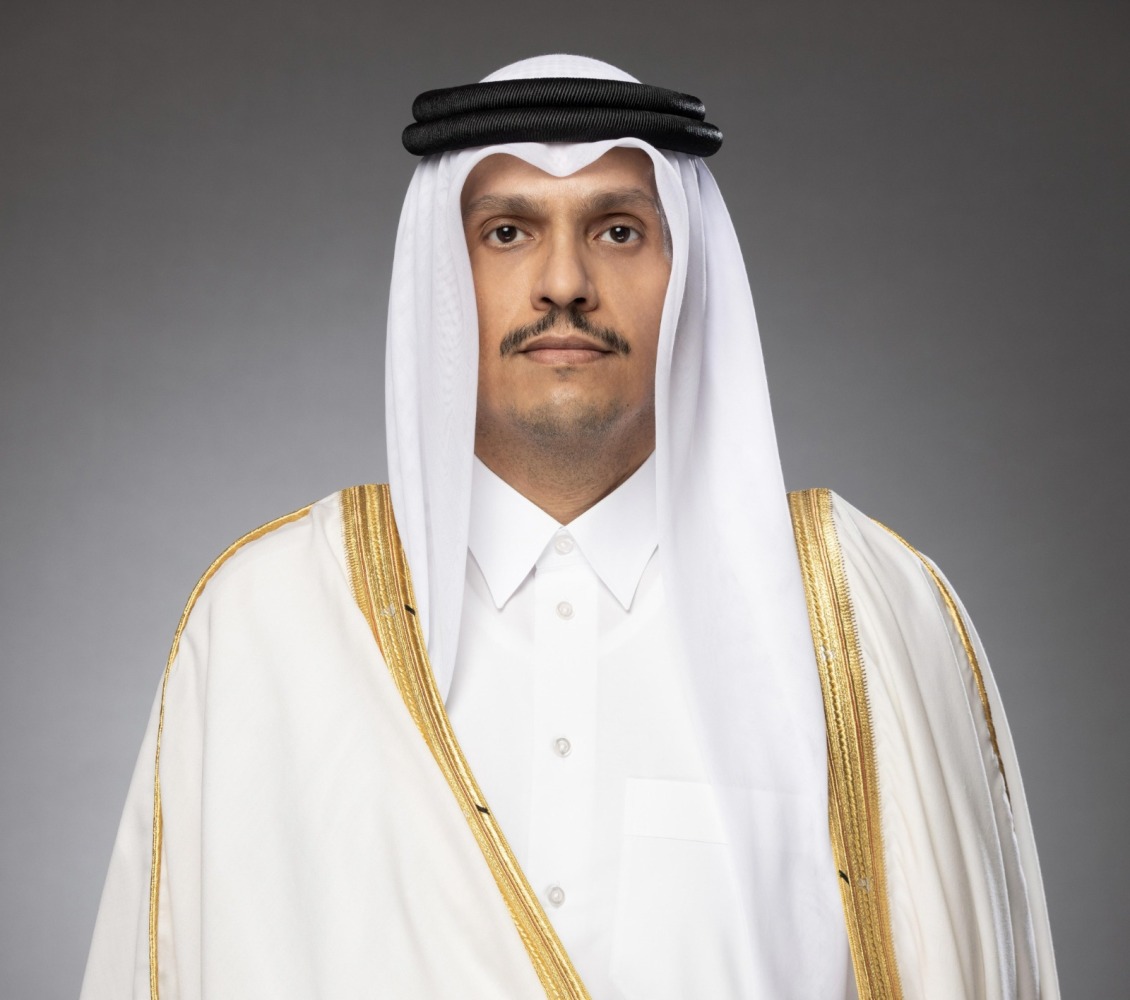

Qatar and Singapore are reinforcing diplomatic ties with a recent exchange of messages between their top leaders, signaling a continued commitment to strengthening bilateral relations. Prime Minister and Minister of Foreign Affairs Sheikh Mohammed bin Abdulrahman bin Jassim Al-Thani conveyed a written message to Singaporean Prime Minister Lawrence Wong, focusing on avenues for further collaboration. The exchange underscores the importance both nations place on their strategic partnership in a rapidly evolving geopolitical landscape.
The message was delivered by Qatar’s Ambassador to Singapore, Abdulaziz bin Ahmed Al Malki, during a meeting with Singapore’s Minister of Foreign Affairs, Dr. Vivian Balakrishnan. This direct communication highlights the priority given to maintaining open dialogue and fostering closer cooperation between Doha and Singapore. The meeting took place in Singapore, according to a statement released by the Qatari Ministry of Foreign Affairs.
Strengthening Qatar-Singapore Bilateral Relations
The focus on bilateral relations comes as both Qatar and Singapore navigate a period of economic diversification and increased regional engagement. Qatar, a major energy producer, is actively seeking to expand its investments and partnerships beyond the energy sector. Singapore, a global financial hub, offers a stable and attractive environment for Qatari investment, particularly in areas like technology and infrastructure.
Economic Cooperation
Trade between Qatar and Singapore has been steadily increasing in recent years. According to data from the Singapore Department of Statistics, total trade in goods reached approximately SGD 1.2 billion in 2023. Key exports from Singapore to Qatar include refined petroleum, machinery, and electronics, while Qatar primarily exports petroleum products and petrochemicals to Singapore.
However, the relationship extends beyond simple trade figures. Both countries are keen on fostering joint ventures and knowledge transfer. Singapore’s expertise in urban planning and sustainable development could be particularly valuable to Qatar as it prepares to host major international events, including the FIFA World Cup 2022.
Geopolitical Alignment
Additionally, Qatar and Singapore share similar perspectives on several regional and international issues, including the importance of multilateralism and a rules-based international order. Both nations are active members of various international organizations and often coordinate their positions on key global challenges. This shared outlook contributes to a strong foundation for diplomatic cooperation and mutual support.
In contrast to some regional dynamics, Qatar and Singapore maintain a pragmatic and independent foreign policy. This allows them to engage constructively with a wide range of partners, fostering stability and promoting dialogue. The recent diplomatic exchange reinforces this commitment to a balanced and proactive approach to foreign affairs.
The meeting between Ambassador Al Malki and Minister Balakrishnan also likely touched upon regional security concerns, including maritime security and counter-terrorism efforts. Both countries recognize the importance of addressing these challenges through collaborative initiatives and information sharing. This is particularly relevant given the increasing complexities in the Indo-Pacific region, a key area of focus for both nations’ foreign policy.
Furthermore, the exchange of messages signals a potential for increased collaboration in areas such as financial technology, as evidenced by a recent cooperation agreement between the Monetary Authority of Singapore (MAS) and the Qatar Central Bank. This agreement aims to promote innovation and collaboration in the fintech sector, further diversifying the economic ties between the two countries.
Looking ahead, further discussions are expected to take place between Qatari and Singaporean officials to explore specific areas for enhanced cooperation. While no concrete timelines have been announced, the momentum generated by this diplomatic exchange suggests a continued strengthening of bilateral relations in the coming months. The development of a comprehensive economic partnership agreement remains a possibility, though its feasibility and timeline are subject to ongoing negotiations and regional economic conditions. Monitoring future official statements and trade data will be crucial to assessing the long-term impact of this renewed diplomatic engagement.