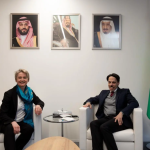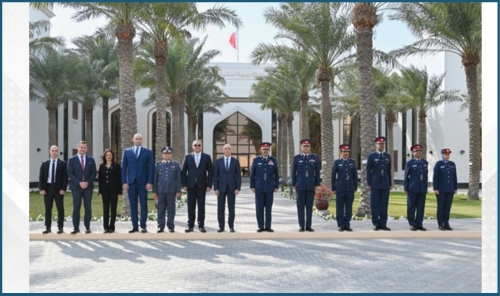

Bahrain continues to demonstrate its commitment to progressive penal reform and security excellence, recently hosting Lebanese Minister of Interior and Municipalities Ahmed Al-Hajjar on an official visit. The visit focused on showcasing Bahrain’s innovative approaches to alternative sentencing and its dedication to modernizing its security infrastructure. Minister Al-Hajjar, accompanied by the Chief of Public Security, toured key facilities, gaining firsthand insight into the Kingdom’s strategies for rehabilitation and maintaining public order.
Bahrain Showcases Progressive Alternative Sentencing Program
A central component of the Lebanese Minister’s visit was a detailed examination of Bahrain’s Open Prisons Complex. Officials provided a comprehensive briefing on the implementation of alternative sentencing laws, outlining the mechanisms used to assess suitability and apply these rulings. This approach represents a significant shift from traditional incarceration, prioritizing rehabilitation and reintegration into society.
Focus on Rehabilitation and Reintegration
The briefing highlighted the extensive rehabilitation and training programs available to those benefiting from the open prison system. These programs are designed to equip individuals with the skills and support necessary to become productive members of the community upon release. The emphasis isn’t simply on punishment, but on addressing the root causes of criminal behavior and fostering positive change.
The delegation was thoroughly informed about the facilities and services offered at the complex, which are geared towards creating a supportive and normalized living environment. Bahrain views its open prisons program as a cornerstone of its human rights advancements, a vision championed by His Majesty King Hamad bin Isa Al Khalifa and actively supported by the government under the leadership of His Royal Highness Prince Salman bin Hamad Al Khalifa, the Crown Prince and Prime Minister. The program is intentionally aligned with international standards, ensuring best practices are followed.
The objectives of the alternative penalties project extend beyond simply reducing prison populations. They aim to deliver tangible positive results through education, vocational training, and comprehensive reform initiatives. These efforts are demonstrably helping inmates rehabilitate and transition back into society with a reduced risk of recidivism.
Exploring Bahrain’s Security Training at the Royal Police Academy
Beyond the innovative approach to corrections, Minister Al-Hajjar also visited the Royal Police Academy, a vital institution for developing Bahrain’s security personnel. He was warmly received by senior police officials who provided a detailed overview of the academy’s rich history and its evolving academic programs.
The academy’s curriculum is designed to prepare and qualify security personnel to the highest international standards. This commitment to excellence was evident in the briefing, which covered the diverse training fields and specialized instruction offered. The academy doesn’t just focus on law enforcement tactics; it also emphasizes ethical conduct, community policing, and human rights principles.
Showcasing Research and Development in Security
A particularly insightful part of the visit was the tour of the security book exhibition. This showcased the impressive body of research being conducted by academy staff, including master’s theses and specialized studies. Minister Al-Hajjar also reviewed notable achievements by various teams within the Ministry of Interior, demonstrating a commitment to innovation and continuous improvement.
The field tour of the academy’s facilities allowed the delegation to observe the practical application of the training programs. From simulated crime scenes to advanced driving courses, the academy provides a realistic and challenging learning environment. This hands-on approach ensures that graduates are well-prepared to handle the complexities of modern policing. The focus on modern technology and techniques is a key element of Bahrain’s security strategy.
Minister Al-Hajjar Commends Bahrain’s Security and Rehabilitation Efforts
At the conclusion of his visits, Minister Al-Hajjar expressed his strong admiration for the level of development and professionalism he witnessed throughout Bahrain’s security and corrections systems. He specifically commended the Ministry of Interior’s dedication to maintaining security, enhancing stability, and protecting public safety.
The Lebanese Minister’s praise underscores the success of Bahrain’s forward-thinking policies. The Kingdom’s commitment to penal reform and investment in its security forces are clearly yielding positive results. This visit serves as a valuable opportunity for knowledge sharing and collaboration between Bahrain and Lebanon, potentially paving the way for similar advancements in the Lebanese system.
The implementation of alternative sentencing in Bahrain is not merely a policy change, but a reflection of a broader commitment to human rights and social responsibility. It’s a model that other nations, including Lebanon, can learn from as they strive to build more just and effective criminal justice systems. Further collaboration and exchange of best practices will undoubtedly strengthen regional security and promote rehabilitation efforts across the board.