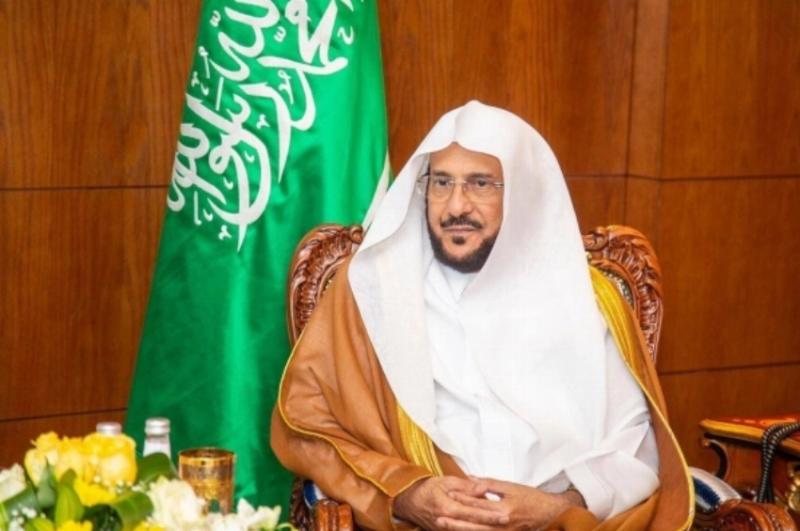

RIYADH — Saudi Arabia has announced restrictions on the use of mosque loudspeakers during the upcoming month of Ramadan. The Ministry of Islamic Affairs, Call and Guidance stated that external speakers will be limited to the initial call to prayer (Adhan) and the second call (Iqama), prohibiting their use for transmitting the prayer itself. This directive, issued by Minister Sheikh Abdullatif Al-Sheikh, aims to maintain a balance between religious observance and public tranquility during the holy month.
The new regulations apply to all mosques across the Kingdom and are effective immediately in preparation for Ramadan, which is expected to begin around March 11th, 2024, pending the sighting of the moon. The Ministry’s circular emphasizes adherence to officially designated prayer times and responsible resource management within mosques. This decision follows previous, localized restrictions and signals a broader, nationwide approach to audio output from places of worship.
Understanding the Restrictions on Mosque Loudspeakers
The core of the new policy centers on limiting the amplification of prayers beyond the Adhan and Iqama. This means the recitation of the Quran during prayer, and the sermon (Khutbah), will not be broadcast externally. According to the Ministry, the intention is to respect the peace and quiet of neighborhoods, particularly during the times when many residents may be resting or engaged in other activities.
This isn’t the first time Saudi Arabia has addressed the volume and scope of mosque broadcasts. In 2019, a similar directive was issued, initially focusing on the city of Mecca and Medina, and later expanded to other regions. These earlier measures were often implemented on a case-by-case basis, with local authorities having some discretion. The current announcement represents a standardized, national policy regarding mosque audio.
Historical Context and Public Feedback
The use of loudspeakers by mosques has been a subject of debate in Saudi Arabia for several years. While considered an integral part of Islamic practice by many, some residents have expressed concerns about noise pollution and disturbance, especially during early morning prayers. The Ministry has previously acknowledged these concerns and sought to find a solution that respects both religious traditions and the well-being of the community.
The decision also aligns with broader efforts to modernize religious practices while upholding core Islamic values. Saudi Arabia’s Vision 2030 plan emphasizes improving the quality of life for citizens and residents, and managing noise levels contributes to this goal. The Ministry’s statement frames the policy as a means of enhancing the overall experience of worship and ensuring a more organized and comfortable environment for all.
Ramadan Preparations and Mosque Management
Beyond the loudspeaker restrictions, the Ministry’s circular detailed several guidelines for preparing mosques for Ramadan. These instructions cover a range of operational aspects, aiming to ensure a smooth and welcoming experience for worshippers. The focus is on providing a clean, safe, and well-maintained environment for increased attendance during the holy month.
Specifically, the Ministry directed departments to prioritize the cleanliness of mosques, including dedicated attention to women’s prayer areas. Additionally, the circular addressed the traditional practice of providing Iftar meals – the breaking of the fast – stipulating that these should be organized in designated courtyard areas. This aims to manage the flow of people and prevent overcrowding within the main prayer halls.
Water Distribution and Resource Conservation
The Ministry also issued guidance regarding the provision of water for worshippers, a common practice during Ramadan, particularly in the warmer months. The circular stressed the importance of responsible management of water donations, discouraging the accumulation of large, potentially wasteful, quantities in storage. This reflects a growing awareness of water conservation in the arid Saudi climate.
Furthermore, the Ministry emphasized the need to adhere to the official Umm al-Qura calendar for determining prayer times. This calendar, maintained by the Saudi government, is widely used throughout the Kingdom and ensures consistency in religious observances. Maintaining accurate timing for the Adhan and Iqama is crucial for coordinating prayers across the country.
The Ministry’s commitment to supporting mosques extends to enhancing the efforts of caretakers and maintenance teams. Adequate staffing and resources are essential for maintaining the cleanliness and functionality of mosques, especially during the peak season of Ramadan. This proactive approach aims to address potential issues before they arise and ensure a positive experience for worshippers. The Ministry also highlighted the importance of mosque maintenance to ensure the safety and comfort of those attending prayers.
Looking ahead, the effectiveness of this new policy will be closely monitored during Ramadan. The Ministry has not indicated any specific enforcement mechanisms beyond the circular itself, suggesting a reliance on cooperation from mosque administrators and local communities. It remains to be seen how widely the restrictions will be observed and whether any adjustments will be made based on public feedback or practical considerations. The long-term impact on the soundscape of Saudi cities and the overall experience of Ramadan will also be a key area of observation.