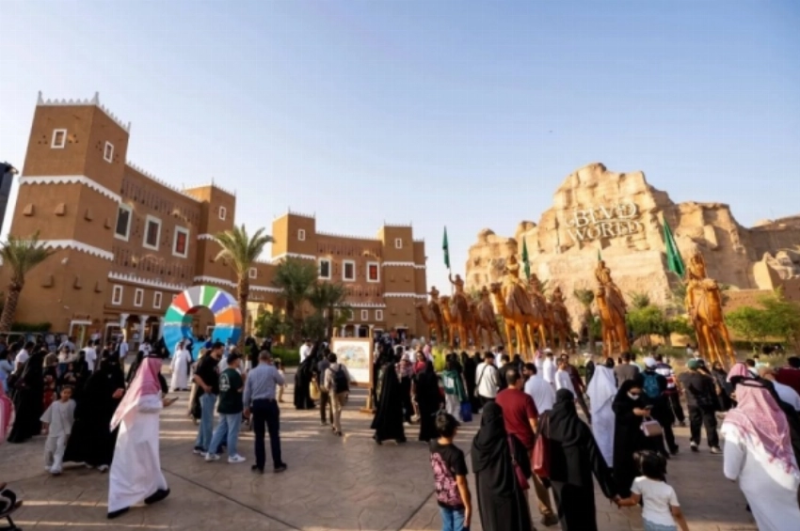

Saudi Arabia’s tourism sector experienced a record-breaking year in 2025, welcoming over 122 million domestic and international visitors. This surge in travel contributed to an estimated SR300 billion in total tourism spending, marking a 6% increase from 2024. The Ministry of Tourism attributes this growth to ongoing investments and strategic reforms designed to position the Kingdom as a global tourism hub.
The 122 million tourists represent a 5% increase over the 2024 figures, bringing Saudi Arabia closer to its ambitious Vision 2030 goal of attracting 150 million tourists annually. The data, released as preliminary estimates, highlights the increasing demand for diverse travel experiences within the country. This positive trend is expected to continue influencing the national economy.
Driving Growth in Saudi Arabia’s Tourism Sector
Several factors contributed to the impressive performance of the tourism sector in 2025. A comprehensive package of legislative and regulatory changes streamlined processes for investors and improved the overall business environment for tourism-related enterprises. These reforms were coupled with substantial investments in infrastructure and tourism products.
Diversification of Tourism Offerings
Saudi Arabia has actively diversified its tourism offerings beyond traditional religious pilgrimages. The country is now promoting leisure, cultural, nature, and business tourism, appealing to a wider range of travelers. This diversification strategy is key to achieving sustainable growth and reducing reliance on single segments of the market.
The Kingdom has also focused on hosting major events throughout the year, attracting international attention and boosting visitor numbers. These events span sports, entertainment, and cultural festivals, further enhancing Saudi Arabia’s appeal as a destination. The success of these events is a testament to the country’s growing capabilities in event management and promotion.
Improvements in infrastructure, including airport expansions and hotel construction, have played a crucial role in accommodating the increased influx of tourists. The Ministry of Tourism has also launched programs aimed at supporting investors and simplifying licensing procedures. These initiatives are designed to encourage further private sector participation in the development of the tourism industry.
Alongside infrastructure development, efforts to enhance the tourist experience and improve service quality have been prioritized. This includes training programs for hospitality staff and initiatives to promote cultural sensitivity and understanding. The goal is to create a welcoming and memorable experience for all visitors.
The development of a skilled workforce is also a key component of Saudi Arabia’s tourism strategy. Initiatives to localize tourism jobs and provide training opportunities for Saudi nationals are underway. This aims to reduce reliance on foreign labor and create employment opportunities for the local population. The focus on human capital development is seen as essential for long-term sustainability.
Domestic tourism continues to be a significant contributor to the overall numbers, supported by promotional campaigns targeting Saudi residents. These campaigns highlight the diverse attractions within the Kingdom and encourage citizens to explore their own country. The growth in domestic tourism provides a stable base for the industry, even during periods of global economic uncertainty.
The increased length of stay and average spending per tourist, as reported by the Ministry, indicate a positive shift in the quality of tourism. This suggests that visitors are not only coming to Saudi Arabia in greater numbers but are also engaging more fully with the country’s offerings. This is a crucial indicator of the success of the diversification strategy.
Saudi Arabia’s Vision 2030 outlines a clear ambition to maximize the tourism sector’s contribution to the national GDP, aiming for 10%. This requires continued diversification of income sources and enhancing the competitiveness of Saudi destinations on the global stage. The government is committed to fostering a sustainable and inclusive tourism industry.
The Ministry of Tourism is actively working to strengthen partnerships with the private sector, recognizing its vital role in driving innovation and investment. Collaboration between public and private entities is seen as essential for achieving the ambitious goals set forth in Vision 2030. This includes joint marketing initiatives and the development of new tourism products.
Sustainable tourism practices are also being integrated into the development plans, ensuring that the growth of the industry does not come at the expense of the environment or local communities. This includes promoting responsible travel behaviors and investing in eco-friendly infrastructure. The long-term health of the tourism industry depends on its ability to operate sustainably.
Looking ahead, the Ministry of Tourism will likely focus on refining its marketing strategies, attracting new investment, and further developing its tourism infrastructure. The success of Vision 2030 hinges on continued progress in these areas. However, global economic conditions and geopolitical factors could present challenges to sustained growth in the travel and tourism market. The next set of official figures, expected in the first quarter of 2026, will provide a more comprehensive assessment of the sector’s performance and trajectory.