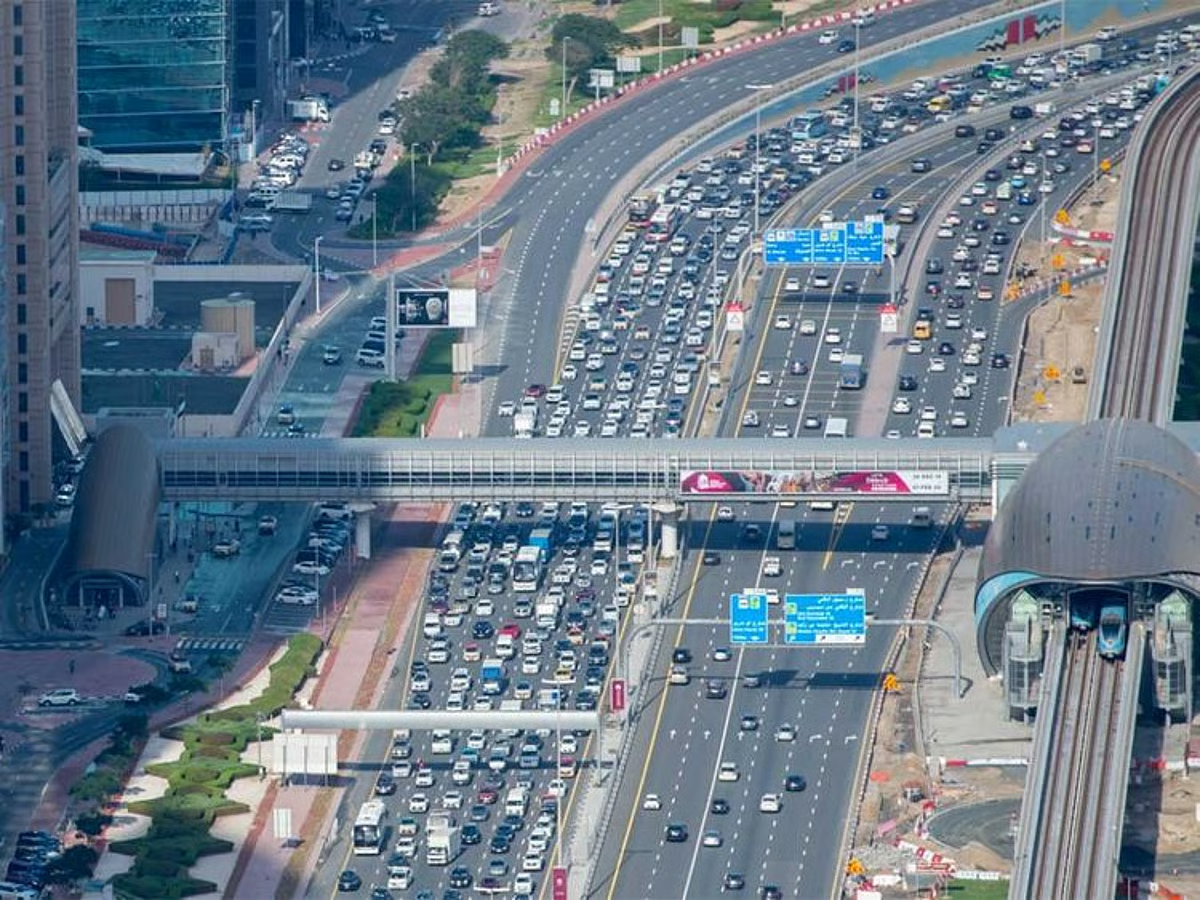

Dubai commuters are experiencing increasingly congested morning traffic conditions across key roadways, particularly during peak hours. Reports from the Roads and Transport Authority (RTA) and traffic monitoring services indicate a noticeable tightening of flow in recent weeks, impacting travel times for residents and businesses. The increased congestion is being observed on major arteries like Sheikh Zayed Road, Al Khail Road, and Emirates Road.
The worsening situation, first noted in early November, affects travel between 6:30 AM and 9:00 AM, with delays reported ranging from 15 to 45 minutes depending on the location and time. Authorities are actively monitoring the situation and analyzing contributing factors to implement potential mitigation strategies. This surge in congestion is prompting discussions about long-term solutions for Dubai’s growing transportation needs and rush hour challenges.
Understanding the Rise in Dubai Morning Traffic
Several factors are converging to create the current traffic pressures. A significant increase in the number of registered vehicles in Dubai is a primary driver, according to data released by the Dubai Police. The emirate has seen consistent population growth, coupled with relatively affordable vehicle ownership, leading to more cars on the road.
Economic Recovery and Tourism
The robust economic recovery following the pandemic is also playing a role. Increased business activity and a surge in tourism have contributed to higher road usage, particularly during peak commuting times. Additionally, major events and exhibitions held in Dubai attract a large influx of visitors, further straining the road network.
Roadwork and Infrastructure Projects
Ongoing roadwork and infrastructure projects, while ultimately aimed at improving transportation, are currently causing temporary disruptions. Several key intersections and stretches of road are undergoing upgrades, resulting in lane closures and diversions. The RTA has been proactively communicating these disruptions, but they inevitably contribute to congestion.
However, the RTA maintains that these projects are essential for long-term improvements to the city’s infrastructure. They are designed to increase road capacity and enhance traffic flow once completed. The agency is employing strategies to minimize disruption during construction, such as nighttime work and phased implementation.
Impact on Commuters and Businesses
The increased commute times are impacting both individual commuters and businesses operating in Dubai. Employees are facing longer travel times to and from work, leading to increased stress and reduced productivity. Businesses reliant on timely deliveries are also experiencing challenges, potentially affecting supply chains and operational efficiency.
The situation is particularly acute for those relying on public transportation, as buses and the Dubai Metro are also experiencing increased ridership. While the RTA has been working to enhance public transport capacity, demand is currently exceeding available resources during peak hours. This is leading to crowded conditions and potential delays for public transport users.
In contrast, some residents are adapting by adjusting their work schedules or utilizing flexible working arrangements. Companies are increasingly offering remote work options to reduce the number of employees commuting during peak hours. This trend, however, is not universally applicable, as many sectors require a physical presence.
RTA’s Response and Potential Solutions
The Roads and Transport Authority (RTA) is actively addressing the escalating traffic congestion. They are employing real-time traffic monitoring systems to identify bottlenecks and adjust traffic signal timings accordingly. The RTA is also deploying additional traffic management personnel to assist with flow control.
Smart Traffic Systems
The RTA is investing heavily in smart traffic systems, including artificial intelligence (AI) powered traffic management solutions. These systems analyze traffic patterns and dynamically adjust signal timings to optimize flow. The goal is to proactively manage congestion and prevent bottlenecks from forming.
Expansion of Public Transportation
Long-term solutions include the continued expansion of Dubai’s public transportation network. The RTA is currently working on several new Metro lines and bus routes to increase capacity and provide commuters with more viable alternatives to driving. The expansion of the Dubai Metro, in particular, is expected to significantly alleviate pressure on the road network.
Meanwhile, the RTA is also exploring options for promoting carpooling and ride-sharing initiatives. These programs aim to reduce the number of vehicles on the road by encouraging commuters to share rides. The success of these initiatives will depend on incentivizing participation and addressing concerns about convenience and safety.
The Dubai government is also considering long-term urban planning strategies to reduce reliance on private vehicles. This includes promoting mixed-use developments that integrate residential, commercial, and recreational areas, reducing the need for long commutes. Sustainable transportation options, such as cycling and walking, are also being prioritized.
The RTA has indicated that a comprehensive review of traffic management strategies will be completed by the end of December. This review will assess the effectiveness of current measures and identify areas for improvement. The findings will inform the development of a long-term traffic management plan for Dubai. Further announcements regarding specific initiatives and timelines are expected in early 2024, and commuters should monitor RTA updates for the latest information on road conditions.