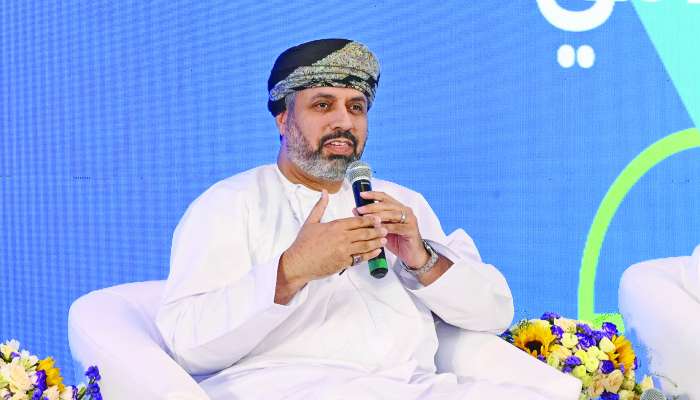

The Sultanate of Oman is actively working towards a diversified and sustainable economy, and a key component of this vision is a robust and skilled workforce. Recently, the Ministry of Labour in Muscat convened a media meeting to detail significant achievements in employment and human resource development, alongside outlining ambitious plans for the future. These initiatives are directly aligned with Oman’s national vision and the growing need for a dynamic labour market.
Significant Progress in Job Creation and Omanisation
Dr. Mahad Said Ba’awain, the Minister of Labour, highlighted the current landscape of job seekers, stating that approximately 74,000 individuals were registered as of the end of November. However, the Ministry has been proactively addressing this through various programs, most notably the “Sahim” initiative. This program has successfully placed a substantial number of job seekers in permanent positions, with others awaiting financial approvals to finalize their placements. The focus remains on reducing unemployment and integrating Omani talent into the workforce.
The Sahim Initiative and Permanent Contracts
The “Sahim” initiative represents a cornerstone of the Ministry’s efforts to tackle unemployment. By facilitating placements and securing permanent contracts for job seekers, the program provides long-term stability and contributes to the overall economic growth of the Sultanate. The remaining candidates are being prioritized as financial resources become available, demonstrating a continued commitment to their employment.
Future Targets: 50,000 Jobs by 2026
Khalid Salim Al Ghammari, Undersecretary of the Ministry of Labour for Labour, announced a target of creating 50,000 jobs in the private sector by 2026. These opportunities will be generated through two primary avenues: replacing expatriate workers in key sectors and directly creating new positions, potentially supported by wage subsidies or specialized training programs. This strategic approach aims to bolster Omanisation rates across vital industries.
Furthermore, the Ministry has already made strides in employing vulnerable populations. In 2025, 2,000 citizens from low-income families and individuals with disabilities were successfully placed in private sector roles. Additional initiatives are also underway to provide financial support for individuals with disabilities seeking government employment.
Enhancing Performance and Digital Transformation
The meeting showcased the Ministry’s commitment to improving performance metrics and embracing digital transformation. Salim Hamoud Al Jabri, Director General of Regulation and Job Classification, reported a 95% improvement in the application of individual proficiency systems within the human resource development sector. This signifies a greater emphasis on skills assessment and matching individuals to appropriate roles.
The Ejada System and Institutional Proficiency
The Ejada system, designed for measuring individual and institutional performance, has been implemented across 67 government units. Over 150 workshops and awareness sessions have been conducted to promote understanding and effective utilization of the system. The national system for institutional innovation and change management, also a key component, has seen participation from 48 units and the completion of four research studies.
Additionally, over 300 employees have received international Thomas certification as certified assessors, further strengthening the Ministry’s capacity for accurate skills evaluation. A significant 89% of administrative apparatus units now utilize patterns for analyzing personal and leadership traits within the Ejada matrix.
Key Achievements in 2025
Ammar Salim Al Sa’adi, Director General of Labour, detailed the impressive employment figures for 2025. A total of 36,413 employment opportunities were provided, alongside 15,069 jobs created through training and replacement programs. The sectoral committee for employment governance also announced the availability of an additional 13,000 job opportunities. The self-employment sector saw the registration of 2,300 professions and the successful replacement of over 4,000 Omanis in technical and leadership positions.
The Ministry’s Economic Committee also played a crucial role in retaining employment for 713 individuals facing termination, while contract renewals were secured for 2,146 others. Negotiation efforts resulted in the retention of 4,388 cases, and 660 individuals benefited from the employment security scheme. Furthermore, over 141,000 establishments are now registered within the Wage Protection System.
Looking Ahead: The Eleventh Five-Year Plan (2026-2030)
Abdullah Murad Al Malahi, Assistant Director General for Planning and Labour Policies, presented the Ministry’s strategic roadmap for the next five years. The Eleventh Five-Year Plan (2026-2030) encompasses 17 programs distributed across three key priorities, with 12 programs specifically focused on the labour market and employment.
The plan prioritizes accelerating the absorption of job seekers into both the public and private sectors, as well as fostering self-employment opportunities. It also emphasizes the development of targeted employment programs for special categories of job seekers and the creation of legislation and national competencies to ensure qualitative compliance in labour market inspections. In 2026, the Ministry aims to provide 60,000 job opportunities, broken down as 10,000 in the government sector, 33,000 in the private sector, and 17,000 through national training and qualification programs.
A short film showcased the Ministry’s ongoing digital transformation, highlighting the role of electronic systems in monitoring performance, improving beneficiary experiences, and enhancing governance. This commitment to technology is expected to significantly contribute to the efficiency and effectiveness of the Omani labour market.
The Ministry of Labour’s proactive approach and strategic planning demonstrate a strong commitment to building a thriving and sustainable workforce in Oman. Continued monitoring of these initiatives and adaptation to evolving market trends will be crucial to achieving the ambitious goals outlined in the Eleventh Five-Year Plan.