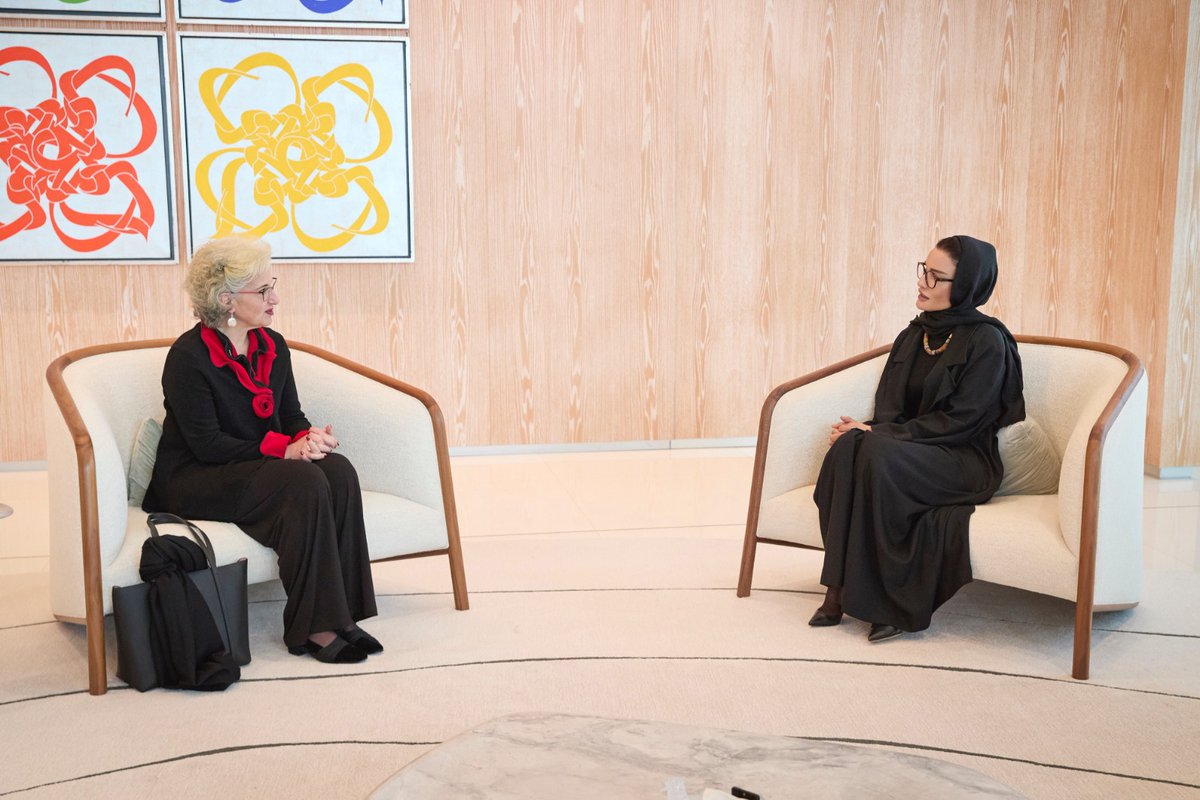

Doha, Qatar – Her Highness Sheikha Moza bint Nasser, Chairperson of Qatar Foundation, met with Lebanese Minister of Education and Higher Education Dr. Rima Karami on Wednesday to discuss strengthening education collaboration between Qatar and Lebanon. The meeting, held in Doha, focused on potential partnerships in areas like technology integration, curriculum development, and overall improvements to the Lebanese educational system. This initiative comes at a critical time for Lebanon, as its education sector faces significant challenges.
The discussion centered on how Qatar Foundation (QF) could support Lebanese institutions in navigating these difficulties and fostering a more resilient and innovative learning environment. The meeting took place at QF headquarters and signals a renewed commitment to supporting education in the region. Details regarding specific projects were not immediately released.
Qatar Foundation and the Future of Education in Lebanon
Lebanon’s education system has been severely impacted by the country’s ongoing economic and political crises. According to reports from UNICEF, a substantial number of students have dropped out of school due to financial constraints, and many schools are struggling with limited resources and infrastructure damage. The Lebanese Ministry of Education has repeatedly called for international assistance to address these issues.
Qatar has a long history of investing in education both domestically and internationally, particularly through Qatar Foundation. QF’s mission is to build Qatar’s future capacity by supporting education at all levels, from primary to university, and by fostering a culture of innovation and research. This commitment extends to supporting educational development in other Arab nations.
Areas of Potential Collaboration
The meeting between Sheikha Moza and Dr. Karami likely explored several key areas for collaboration. These include:
Technology in Education: Integrating digital learning tools and resources into Lebanese schools could help bridge gaps in access to quality education, especially for students in remote areas. QF has extensive experience in developing and implementing educational technology programs.
Curriculum Development: Modernizing the Lebanese curriculum to align with global standards and the needs of the 21st-century workforce is a priority. QF’s expertise in curriculum design and its partnerships with leading international universities could be valuable in this process.
Teacher Training: Investing in the professional development of Lebanese teachers is crucial for improving the quality of education. QF could potentially offer training programs and workshops to enhance teachers’ skills and knowledge.
Additionally, discussions may have included potential scholarships for Lebanese students to study at universities within the Qatar Foundation ecosystem. This would provide opportunities for talented individuals to pursue higher education and contribute to the rebuilding of Lebanon.
Meanwhile, Qatar’s broader engagement in Lebanon extends beyond education. The country has provided humanitarian aid and economic support to help Lebanon cope with its multifaceted crises. This latest initiative demonstrates a continued commitment to supporting the long-term stability and development of the nation.
In contrast to some short-term aid efforts, the focus on education suggests a strategy aimed at building sustainable capacity within Lebanon. By investing in the future generation, Qatar hopes to contribute to a more prosperous and resilient Lebanon. The Ministry of Education in Lebanon has expressed gratitude for Qatar’s ongoing support.
The specifics of any agreements reached during the meeting have not yet been publicly disclosed. However, officials from both sides indicated a strong desire to move forward with concrete projects. Further details are expected to be announced in the coming weeks, potentially outlining a framework for collaboration and a timeline for implementation. The success of this partnership will depend on continued political stability in Lebanon and the effective allocation of resources.
Looking ahead, the next step will likely involve the formation of joint working groups to identify specific needs and develop detailed project proposals. A key challenge will be ensuring that any initiatives are aligned with the Lebanese government’s broader education reform agenda. Observers will be watching closely to see how this collaboration unfolds and what impact it has on the quality and accessibility of education in Lebanon.
Qatar Foundation’s website will likely be the source of further announcements.