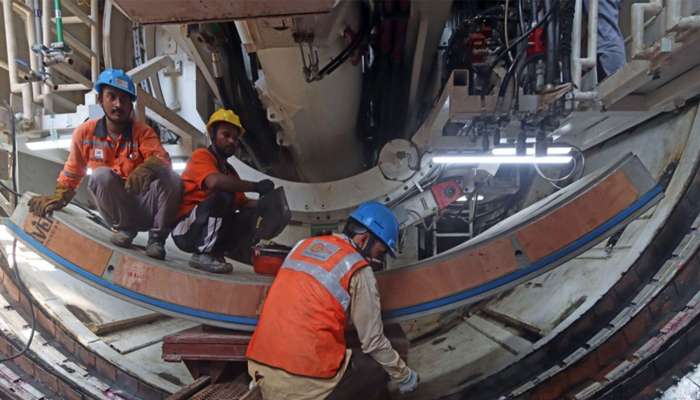

The Indian manufacturing sector is experiencing a period of unprecedented growth, recently achieving a historic milestone with its performance index reaching an all-time high in the third quarter of the 2025-26 fiscal year. This surge in activity, fueled by strong domestic demand and a supportive financial environment, signals a robust and optimistic outlook for the industry. Released today in New Delhi, the latest FICCI Quarterly Survey on Manufacturing (QSM) paints a picture of sustained expansion across both large enterprises and small-to-medium enterprises (SMEs).
Record Performance in Indian Manufacturing
The 68th edition of the FICCI QSM reveals a significant uptick in industrial confidence. A remarkable 91% of respondents reported maintaining or increasing production levels, a notable increase from the 87% recorded in the previous quarter. This positive trend underscores the resilience and adaptability of Indian manufacturers in a dynamic global landscape.
Driving Forces Behind the Growth
Several key factors are contributing to this impressive performance. Primarily, a robust domestic market is driving demand. The report highlights that 86% of respondents anticipate similar or increased order volumes in Q3 FY 2026, a sentiment further bolstered by recent Goods and Services Tax (GST) rate reductions. These cuts are expected to stimulate consumer spending and, consequently, boost manufacturing output.
Furthermore, the electronics and electricals sector, alongside the miscellaneous manufacturing segment, are leading the charge with particularly strong growth projections. Established sectors like auto components, capital goods, and textiles are also demonstrating healthy, moderate expansion.
Capacity Utilization and Employment Trends
The current average capacity utilization within the manufacturing sector stands at a healthy 75%, indicating consistent economic activity and a strong ability to meet rising demand. This level of utilization suggests that manufacturers are operating efficiently and are well-positioned for further growth.
Interestingly, despite ongoing global challenges like trade restrictions and geopolitical instability, the employment outlook is improving. 38% of manufacturers are planning to hire additional workers in the coming three months, a slight increase from the 35% reported during the same period last year. This indicates a strengthening job market within the industrial base, offering positive prospects for employment generation. This positive trend in industrial growth is a welcome sign for the Indian economy.
Challenges Remain: Costs and Skill Gaps
While the overall picture is overwhelmingly positive, the Indian manufacturing sector isn’t without its challenges. A significant concern remains the high cost of production, with 57% of survey participants reporting an increase in costs as a percentage of sales.
This cost pressure stems from a combination of factors, including:
- Higher raw material costs
- Currency depreciation
- Increased expenses related to logistics, power, and utilities.
Addressing these cost-related issues will be crucial for sustaining long-term competitiveness.
Another critical challenge is the availability of a skilled workforce. Although 80% of the industry currently reports no immediate labor shortages, a substantial 20% of respondents expressed concern about a “lack of skilled workforce” within their specific sectors. This highlights the urgent need for intensified skilling initiatives, requiring collaborative efforts from both the government and private industry to bridge the skills gap and ensure a future-ready workforce. Investing in skill development is paramount.
Financial Health and Export Outlook
A strong financial foundation is supporting the current boom in the manufacturing sector. The average interest rate for manufacturers is currently 8.9%, and a reassuring 87% of respondents confirmed sufficient access to funds from banks for both working capital and long-term investments. This liquidity is vital for enabling manufacturers to expand operations, invest in new technologies, and meet growing demand.
Adding to the positive outlook, the export sector is also showing promise. 70% of firms anticipate maintaining or increasing their international sales, suggesting a favorable external environment and the growing competitiveness of Indian manufactured goods in the global market. This positive export outlook complements the strong domestic demand, creating a powerful engine for growth.
Maintaining Momentum: A Look Ahead
The Indian manufacturing sector has undeniably reached a pivotal moment, achieving record-breaking performance and demonstrating significant resilience. The combination of robust domestic demand, supportive financial conditions, and a positive export outlook positions the industry for continued success. However, addressing the challenges of rising production costs and the skills gap will be essential to maintain this momentum.
Continued investment in infrastructure, streamlined regulatory processes, and a focus on innovation will further strengthen the sector’s competitiveness and unlock its full potential. The FICCI QSM serves as a valuable barometer of the industry’s health, and its latest findings offer a compelling narrative of growth and optimism for the Indian economy.
To learn more about the FICCI QSM and its implications, visit the FICCI website [link to FICCI website would go here]. Further analysis of economic indicators will be crucial for navigating the future of Indian manufacturing.