







The traditionally slow and expensive process of drug discovery is undergoing a rapid transformation thanks to the integration of artificial intelligence and advanced data technologies. Biotech startups are emerging with novel approaches to identify and develop pharmaceutical candidates, aiming to significantly reduce timelines and improve success rates. This shift is attracting substantial investment and forging partnerships with established pharmaceutical giants.
AI-Powered Drug Discovery Gains Momentum
Chai Discovery, an AI-focused biotech company founded in 2024, exemplifies this trend. The company recently secured $130 million in Series B funding, valuing it at $1.3 billion, and announced a collaboration with Eli Lilly to leverage its AI software in the development of new medicines. This partnership underscores the growing confidence in AI’s potential to revolutionize the pharmaceutical industry.
Chai’s core technology, known as Chai-2, specializes in the design of antibodies – crucial proteins used to combat diseases. The company positions itself as a “computer-aided design suite” for molecules, offering a more targeted and efficient alternative to traditional high-throughput screening methods. These methods often involve testing vast libraries of compounds with limited success.
Eli Lilly Doubles Down on AI
The collaboration with Chai isn’t Eli Lilly’s only major investment in AI-driven research. Simultaneously, the pharmaceutical company announced a $1 billion partnership with Nvidia to establish an AI drug discovery lab in San Francisco. This “co-innovation lab” will integrate large datasets, powerful computing resources, and scientific expertise to accelerate the identification of promising drug candidates.
This dual investment signals a clear strategic direction for Eli Lilly, prioritizing the adoption of cutting-edge technologies to enhance its research and development capabilities. The company hopes to shorten the time it takes to bring new therapies to market and address previously intractable medical challenges.
However, not all industry observers are convinced of the immediate impact of these technologies. Some veterans argue that the inherent complexities of pharmaceutical development mean that AI may not deliver the dramatic breakthroughs some proponents predict. The process of bringing a drug to market remains lengthy and fraught with challenges, even with advanced tools.
Despite the skepticism, significant investment continues to flow into the sector. Elena Viboch, managing director at General Catalyst – a key investor in Chai – believes that companies embracing AI will gain a competitive advantage. “We believe the biopharma companies that move the most quickly to partner with companies like Chai will be the first to get molecules into the clinic, and will make medicines that matter,” Viboch stated to TechCrunch. She anticipates seeing medicines developed with Chai’s technology entering clinical trials by the end of 2027.
Aliza Apple, head of Lilly’s TuneLab program, which already utilizes AI and machine learning, echoed this optimism. She emphasized the potential of combining Chai’s generative design models with Lilly’s existing expertise and proprietary data to create more effective molecules from the outset.
From OpenAI Roots to Biotech Startup
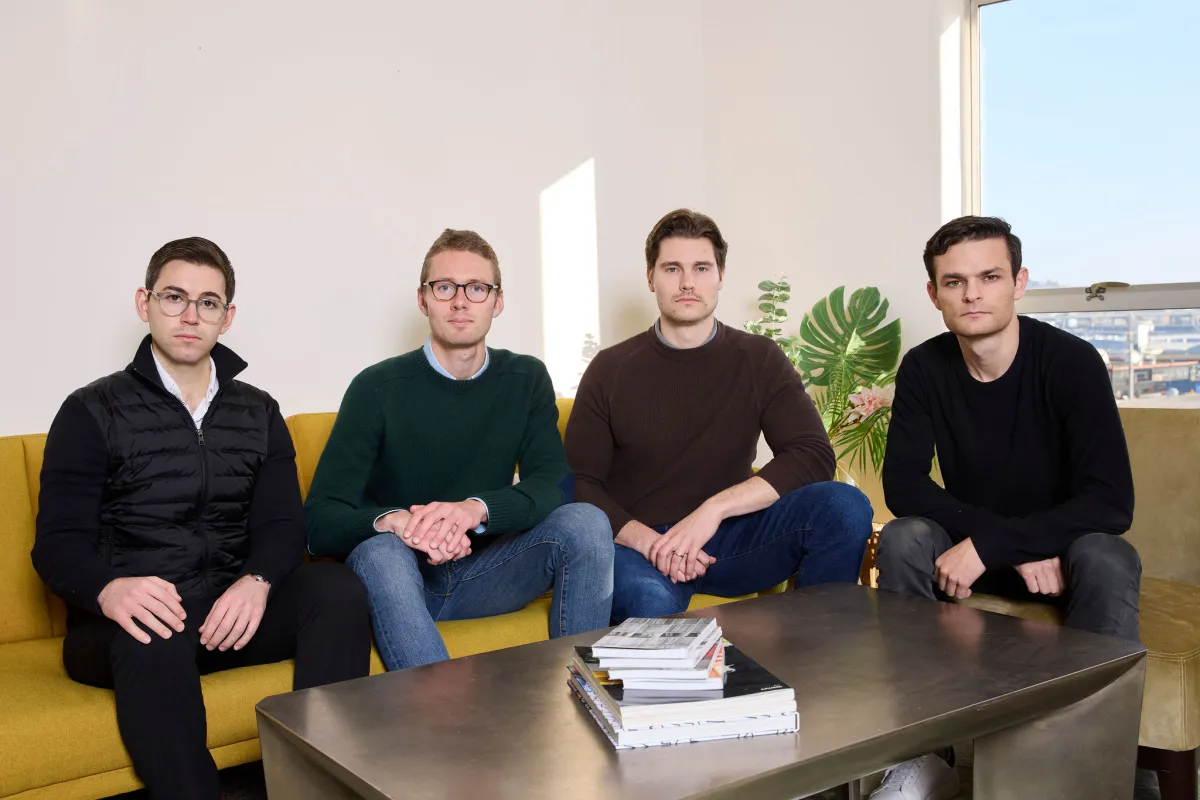
Chai Discovery’s origins are closely tied to OpenAI, the leading artificial intelligence research company. The startup’s founders, Josh Meier and Jack Dent, initially discussed the idea of a proteomics-focused company with OpenAI CEO Sam Altman around six years ago.
Meier, a former OpenAI researcher, had previously worked on early protein-language models. He later joined Facebook to further develop this technology, contributing to the creation of ESM1, a foundational model in the field. Following his time at Facebook, Meier spent three years at another AI biotech firm, Absci, gaining practical experience in AI-driven drug design.
Altman initially approached Dent, then an engineer at Stripe, to explore a potential collaboration with Meier. While the timing wasn’t right initially, the conversation was revisited in 2024, leading to the founding of Chai. OpenAI became one of Chai’s first seed investors, and the startup even operated out of OpenAI’s San Francisco offices during its early stages.
Dent attributes Chai’s rapid growth to the exceptional talent of its team and a commitment to developing custom AI architectures. “Every line of code in our codebase is homegrown,” he explained. “We’re not taking LLMs off the shelf…These are highly custom architectures.”
General Catalyst’s Viboch believes that the fundamental barriers to deploying these models in drug discovery have been overcome. While traditional testing and clinical trials remain essential, she anticipates significant advantages for companies leveraging AI, including faster timelines and the ability to develop previously inaccessible therapies.
Looking ahead, the success of the Eli Lilly partnership will be a key indicator of Chai’s potential. The industry will be closely watching for updates on the progress of drug candidates developed using Chai’s technology, particularly as they move towards clinical trials. The ongoing collaboration between Eli Lilly and Nvidia also represents a significant development, demonstrating the increasing convergence of AI, big data, and pharmaceutical research. The next few years will likely reveal whether these investments translate into tangible breakthroughs in the fight against disease.