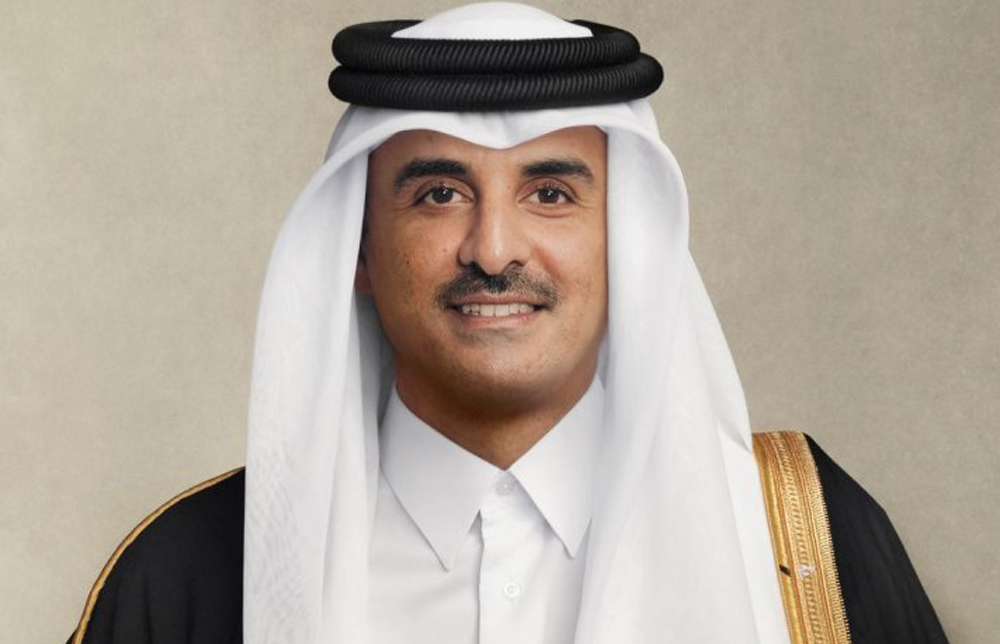

Doha, Qatar – His Highness Sheikh Tamim bin Hamad Al-Thani presided over the graduation ceremony of the eighth cohort of cadets from the Police College of the Police Academy on Wednesday. The event, held in Al Sailiya, saw 168 graduates receive their diplomas, representing citizens of Qatar alongside students from Kuwait, Jordan, Palestine, Libya, Yemen, and Somalia. This Police College graduation underscores Qatar’s commitment to regional security cooperation and the development of highly trained law enforcement professionals.
The ceremony was a significant event attended by a wide range of dignitaries, including Sheikhs, Ministers, heads of diplomatic missions, and senior officials from Qatar’s military and security forces. Representatives from several fraternal and friendly nations also attended, highlighting the international scope of the Police Academy’s training programs. The presence of these leaders demonstrates the importance placed on bolstering security capabilities within the region.
Strengthening Regional Security Through Police Training
The Police College, established in 2013, aims to provide comprehensive training to future police officers, equipping them with the knowledge and skills necessary to address modern security challenges. According to the Ministry of Interior, the curriculum focuses on a blend of academic study, practical training, and physical fitness. This holistic approach prepares graduates for diverse roles within law enforcement agencies.
The graduation ceremony commenced with the playing of the national anthem, followed by a formal inspection of the graduating class by His Highness the Amir. Major General Abdulrahman Majid Al Sulaiti, President of the Police Academy, then delivered a speech emphasizing the importance of integrity, professionalism, and dedication to service for the newly commissioned officers.
Honoring Excellence and Tradition
His Highness Sheikh Tamim bin Hamad Al-Thani personally honored the top-performing students, recognizing their academic achievements and leadership potential. This tradition highlights the value placed on excellence within the Qatari security apparatus. The symbolic handover of the college flag from the eighth batch to the ninth batch represented a continuation of responsibility and commitment.
The ceremony also featured a dynamic display of marching drills and a military parade showcasing the cadets’ discipline and precision. A special segment included the “Officers of Tomorrow” queue, comprised of students from local schools, inspiring the next generation to consider careers in law enforcement. This element of the ceremony aimed to foster a sense of civic duty and encourage youth engagement in national security.
The graduating officers then recited the oath of allegiance, pledging to uphold the law and serve their respective nations with honor and loyalty. The performance of the Police College anthem concluded the formal proceedings, marking the official transition of the cadets into commissioned officers. The oath-taking ceremony is a crucial step in solidifying their commitment to ethical policing and public safety.
Qatar has been increasingly focused on enhancing its security infrastructure in preparation for hosting major international events, including the FIFA World Cup 2022. This investment in training and technology extends to regional partners, fostering collaboration in areas such as counter-terrorism and cybersecurity. The law enforcement training provided by the Police College is a key component of this broader strategy.
The inclusion of students from multiple Arab nations in the Police College’s programs reflects Qatar’s proactive role in promoting regional stability. This collaborative approach to security education allows for the sharing of best practices and the development of a unified response to transnational threats. The Ministry of Interior has previously stated its intention to expand these international partnerships further.
Looking ahead, the ninth batch of cadets will continue their rigorous training program, with a graduation date anticipated in late 2024. The curriculum is expected to be updated to incorporate lessons learned from recent security operations and emerging technologies. Further developments in the Police Academy’s international collaborations and specialized training programs will be closely monitored as Qatar continues to play a leading role in regional security initiatives.
The success of the Police College is also tied to broader efforts in national security and the modernization of Qatar’s internal security forces. Continued investment in personnel and resources will be essential to maintaining a high level of preparedness and responsiveness to evolving threats.