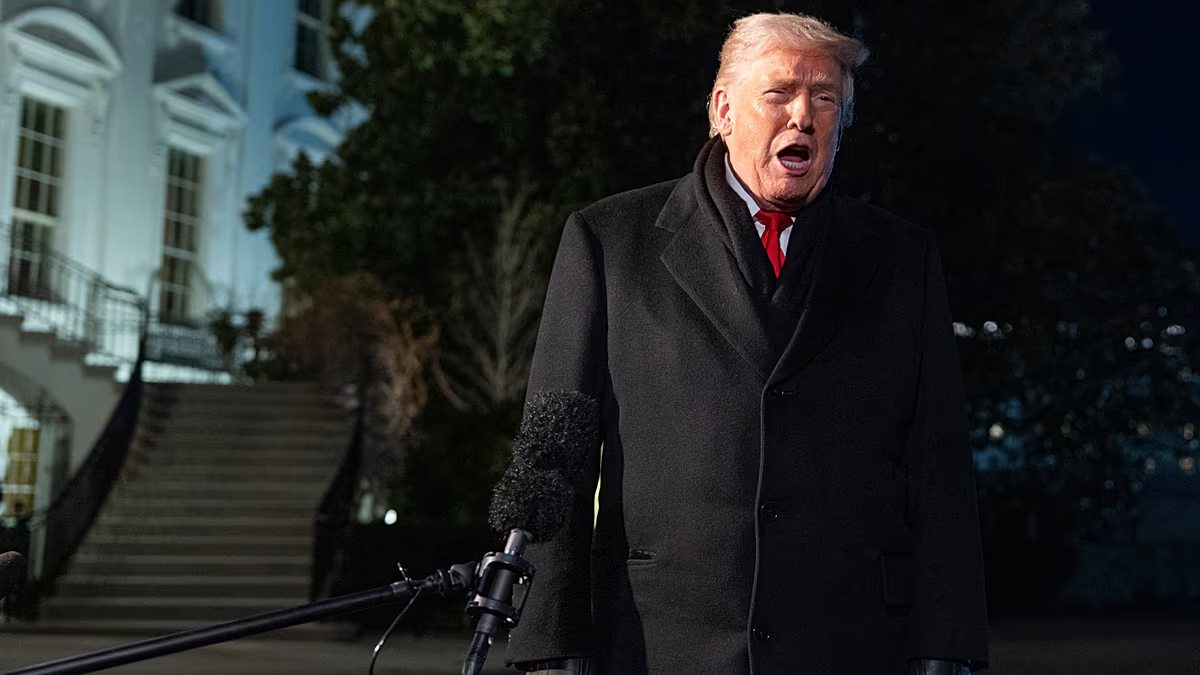

The European Parliament is poised to suspend implementation of the EU-US trade deal following escalating tensions triggered by former US President Donald Trump’s threats to impose tariffs on several European nations. Trump demanded the sale of Greenland, a self-governing territory within the Kingdom of Denmark, and threatened a 10% tariff on EU imports if his demands weren’t met. This move casts a significant shadow over the future of the EU-US trade deal and transatlantic relations.
Threats to the EU-US Trade Deal Intensify
The agreement, initially reached in July 2025, aimed to introduce 15% US tariffs on EU imports while simultaneously eliminating EU tariffs on most US industrial goods. However, the deal has faced criticism from some lawmakers who argue it unfairly favors US exporters. Leaders from the European People’s Party (EPP), Socialists & Democrats (S&D), and Renew groups have all called for a freeze on the deal, citing Trump’s aggressive tactics as unacceptable. Iratxe García Pérez, president of the S&D group, stated on Tuesday a “broad agreement” exists among political groups to suspend the accord.
European Commissioner Warns of Swift Retaliation
European Commissioner for the Economy, Valdis Dombrovskis, warned that the EU is prepared to respond “very quickly” if Trump proceeds with the proposed tariffs. According to Dombrovskis, the EU had already prepared a substantial package of retaliatory measures, valued at €93 billion, in anticipation of potential trade disputes with the US last year. These measures include tariffs on a range of US products, such as almonds, orange juice, and steel, specifically targeting constituencies with strong Republican support.
A second set of counter-tariffs, encompassing €72 billion of US goods including aircraft and automobiles, was also previously prepared but held in abeyance to allow for negotiations. Dombrovskis emphasized the EU’s willingness to engage in constructive dialogue but underscored its readiness to act decisively if a resolution isn’t reached. He described the situation as “very disappointing,” highlighting the importance of cooperation between like-minded democratic nations.
Focus Shifts to Ukraine Amidst Greenland Dispute
While the dispute over Greenland has dominated headlines, European leaders have attempted to refocus attention on the ongoing crisis in Ukraine. Both António Costa, President of the European Council, and Ursula von der Leyen, President of the European Commission, addressed the situation in Ukraine during speeches at the European Parliament, emphasizing the need for continued support in the face of Russia’s aggression. Costa noted that Ukraine’s security is inextricably linked to Europe’s own security and reaffirmed the EU’s commitment to providing financial, security, and reconstruction assistance.
Von der Leyen criticized Russia’s lack of engagement in peace talks and stressed the EU’s unwavering support for Ukraine. She acknowledged the urgency of the situation, particularly as winter conditions worsen and Russia continues to target Ukraine’s energy infrastructure. This shift in focus underscores the EU’s desire to prioritize critical security concerns despite the distraction caused by the Greenland controversy.
EU Seeks a Stronger Arctic Strategy
Ursula von der Leyen also announced the need for a more robust European strategy in the Arctic region. She proposed a significant investment surge in Greenland to bolster its economy and infrastructure. Additionally, she called for increased collaboration with the US and other partners on Arctic security, advocating for the allocation of defense spending towards Arctic-ready equipment and the strengthening of security arrangements with nations like the UK, Canada, Norway, and Iceland. NATO chief Mark Rutte is expected to address the topic later today.
What’s Next for the EU-US Trade Deal?
The European Parliament is scheduled to hold a meeting at 15:00 today to formally discuss the suspension of the EU-US trade deal. France has also called for a NATO exercise in Greenland, signaling a broader concern for security in the region. Meanwhile, all eyes will be on Donald Trump’s upcoming speech, scheduled for 14:30, for any further indications of his intentions. The future of the trade agreement, and indeed the broader transatlantic relationship, hangs in the balance as leaders navigate this complex geopolitical landscape. Keep following for updates on this developing story and the potential impact on international trade and security.