






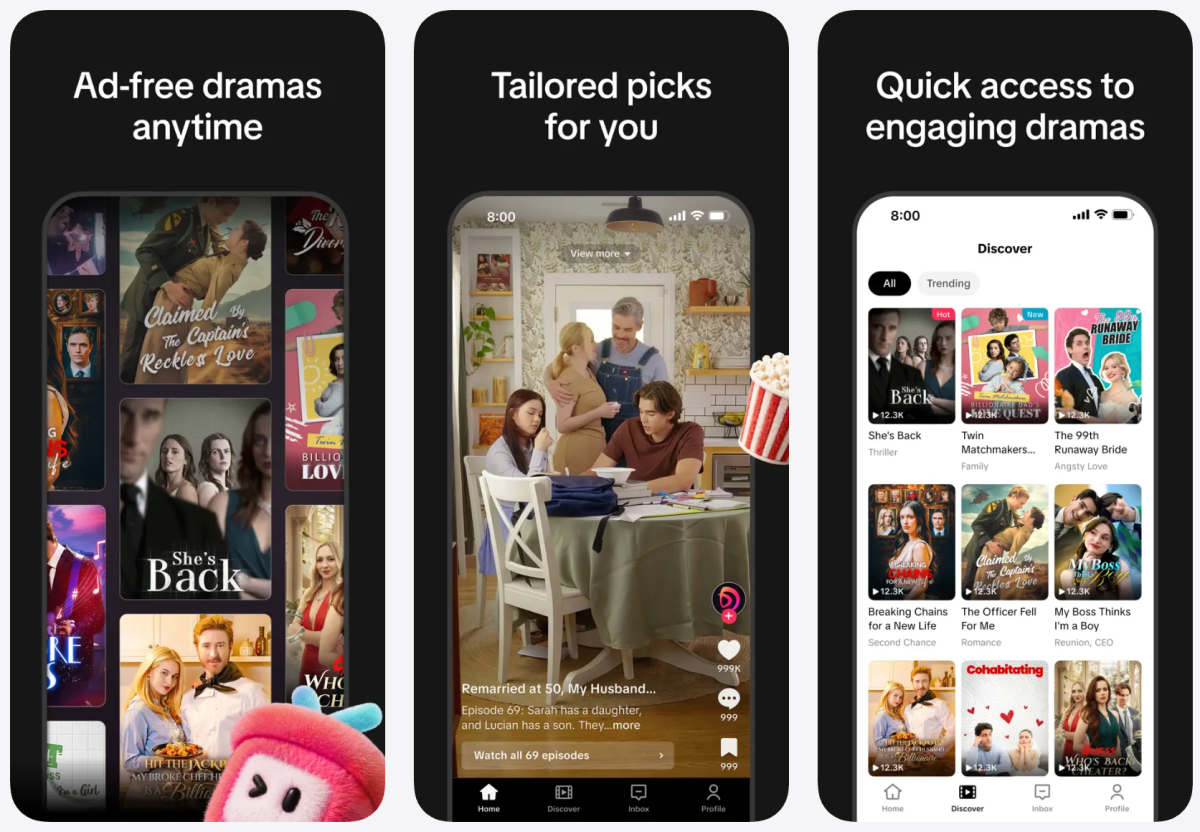

TikTok has quietly launched PineDrama, a new standalone app dedicated to microdramas – bite-sized television shows delivered in one-minute episodes – in the United States and Brazil. This move signals TikTok’s ambition to expand beyond short-form video and directly compete in the rapidly growing mobile storytelling market. The app is currently free and ad-free, though that may change as it develops.
The release of PineDrama, first reported by Business Insider, comes after TikTok introduced a “TikTok Minis” section within its main app last year, also featuring these short-form dramas. This dedicated app represents a significant investment in the format and a clear challenge to existing platforms like ReelShort and DramaBox.
The Rise of Microdramas and TikTok’s Entry
The microdrama genre has experienced a surge in popularity, particularly among younger audiences accustomed to consuming content on mobile devices. Variety reports the industry is projected to reach $26 billion in annual revenue by 2030, demonstrating its substantial growth potential. PineDrama aims to capitalize on this trend by offering a curated selection of these short, episodic stories.
Users can discover content through the app’s “Discover” tab, which categorizes dramas as “All” or “Trending,” and through a personalized recommendation feed. Genres available on PineDrama include thriller, romance, and family dramas, with examples like “Love at First Bite” and “The Officer Fell for Me” already gaining traction.
App Features and User Experience
PineDrama offers features designed to encourage binge-watching and engagement. A “Watch History” section allows users to easily resume series, while a “Favorites” section enables saving preferred dramas. The app also includes a comment section for viewers to share their thoughts and reactions.
A full-screen viewing mode is available, removing captions and sidebars for a more immersive experience. This focus on uninterrupted storytelling is a key characteristic of successful short-form video platforms.
Learning from Past Failures in Short-Form Storytelling
TikTok’s foray into microdramas isn’t the first attempt at creating a successful short-form video storytelling platform. In 2020, Jeffrey Katzenberg’s Quibi launched with significant funding ($1.75 billion) and Hollywood talent, offering episodes under ten minutes. However, Quibi failed to attract a substantial audience and was shut down within six months.
The success of platforms like ReelShort and DramaBox, in contrast, hinged on a different approach. They focused on low-budget productions with rapid pacing and constant cliffhangers, utilizing non-union actors and targeting specific genres like soapy romance and revenge thrillers. Quibi attempted to compress traditional television into a shorter format, while these platforms built content specifically for the mobile, short-attention-span environment.
TikTok appears to be adopting the latter strategy with PineDrama. By leveraging its existing user base and understanding of viral content, the company hopes to replicate the success of its competitors. The platform’s algorithm, already adept at delivering personalized video content, will likely play a crucial role in connecting viewers with relevant microdramas.
The app’s current lack of advertising is notable. While this provides a cleaner user experience initially, it’s likely that TikTok will introduce monetization strategies in the future, potentially through in-app advertising or premium subscription options. The timing and nature of these changes will be key to maintaining user engagement.
Furthermore, the success of PineDrama will depend on its ability to consistently deliver compelling content. TikTok will need to attract and retain creators capable of producing high-quality, addictive microdramas to keep viewers coming back for more. The company’s existing creator tools and resources could be leveraged to support this effort.
It remains to be seen how PineDrama will perform in the long term and whether TikTok can establish a dominant position in the microdrama market. The company is expected to monitor user engagement and content performance closely in the coming months, and a wider rollout beyond the U.S. and Brazil is possible depending on the initial results. Industry analysts will be watching to see if TikTok can overcome the challenges that led to the failure of Quibi and successfully tap into the growing demand for mobile storytelling.