






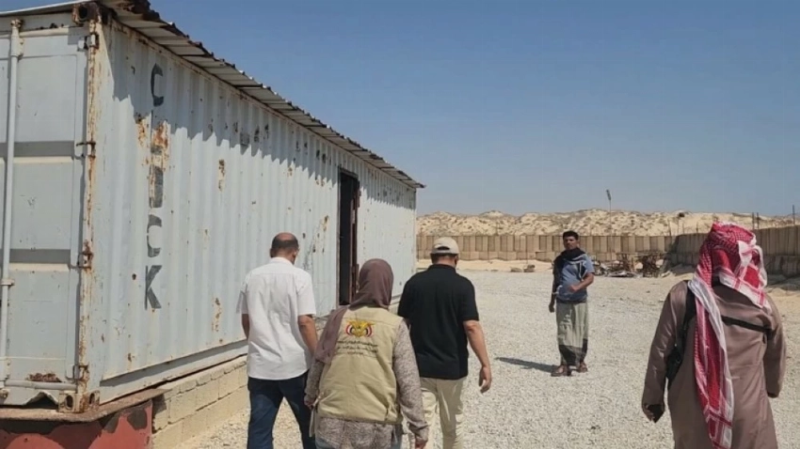

Reports have surfaced alleging the operation of secret prisons and torture centers in Yemen’s Hadramaut and Aden regions by groups linked to the dissolved Southern Transitional Council (STC). These facilities are accused of inflicting severe physical and psychological harm on detainees, with some reports indicating deaths in custody. The allegations, detailed by Okaz/Saudi Gazette, raise serious concerns about human rights violations and the potential for international legal repercussions regarding torture in Yemen.
The accusations center on facilities allegedly run with the support of Abu Dhabi government officials, used for extrajudicial detention and the suppression of dissent. Human rights organizations and families of the missing are calling for investigations and accountability. The situation adds another layer of complexity to the ongoing conflict in Yemen, which has already created a significant humanitarian crisis.
Allegations of Systematic Abuse and Extrajudicial Killings
According to documentation and testimonies gathered by the Yemeni Network for Rights and Freedoms, the alleged secret prisons were used to systematically detain, interrogate, and torture individuals perceived as opposing the STC’s agenda. Mohammed Al-Omda, head of the network, stated that released detainees have exhibited lasting mental trauma as a direct result of the abuse suffered during their imprisonment.
The Okaz report specifically highlighted Al-Dhaba Prison in Hadramaut, describing cramped solitary confinement cells and evidence of brutal torture methods. Detainees reportedly left markings on the walls of the underground cells, documenting their experiences. These findings corroborate earlier reports of similar conditions in other detention facilities, including Al-Mukalla prison.
Targeting of Opponents and the Role of the STC
Al-Omda alleges a deliberate campaign of arrests targeting individuals who voiced opposition to the STC. He claims that Aidarus al-Zubaidi, a leader associated with the council, and his allies within the Abu Dhabi government oversaw the operation of these facilities. The stated aim was to intimidate the population and suppress any challenge to the STC’s authority in the region.
The accusations extend beyond simple detention and human rights abuses. Al-Omda asserts that “death chambers” were used to carry out extrajudicial killings, and that families were deliberately terrorized to discourage dissent. He further contends that the actions of the STC and its supporters serve a broader agenda, alleging a connection to Israeli interests.
Concerns Regarding Foreign Involvement
A central element of the allegations is the purported involvement of the Abu Dhabi government in funding, overseeing, and managing the secret prisons. According to the reports, officers affiliated with the government played a key role in the operation of these facilities and the implementation of torture practices. This alleged support raises questions about the extent of foreign interference in Yemen’s internal affairs.
However, officials in Abu Dhabi have not yet publicly responded to the specific allegations detailed in the Okaz report. The lack of comment has fueled speculation and intensified calls for an independent investigation. The involvement of external actors complicates efforts to achieve a lasting peace in Yemen.
Evidence and Potential International Accountability
The Yemeni Network for Rights and Freedoms claims to have gathered substantial evidence, including testimonies from released detainees and families of the missing, to support the allegations of torture in Yemen. Additionally, the discovery of secret graves containing the remains of individuals believed to have been abducted and tortured adds a grim dimension to the claims.
Al-Omda emphasized that these alleged crimes do not fall under any statute of limitations and that both the STC and Abu Dhabi should be held accountable. He indicated plans to pursue legal action before international courts, arguing that the documented abuses may constitute crimes against humanity and war crimes. The potential for international prosecution could significantly impact the political landscape in Yemen and the region.
The fate of numerous individuals, including those reportedly taken from Ghayl bin Yamin Hospital and members of the Hadramaut Alliance tribes, remains unknown. Hundreds of complaints regarding kidnapping and disappearance have been filed, with families desperately seeking information about their loved ones. The ongoing uncertainty exacerbates the suffering of those affected by the conflict and hinders reconciliation efforts.
The situation also raises concerns about violations of state sovereignty, as the alleged actions of foreign-backed groups undermine the authority of the Yemeni government. The lack of transparency surrounding these alleged prisons and the reported abuses further erode trust and contribute to the cycle of violence.
Looking Ahead
The Okaz/Saudi Gazette report has prompted renewed calls for an independent and impartial investigation into the allegations of torture in Yemen. Human rights organizations are urging the Yemeni government and international bodies to take swift action to uncover the truth and hold those responsible accountable. The United Nations is expected to address the issue in upcoming reports, and the potential for international legal proceedings remains a significant factor. The next steps will likely involve gathering further evidence and attempting to secure access to the alleged prison sites, a process that could be hampered by ongoing security concerns and political instability.