






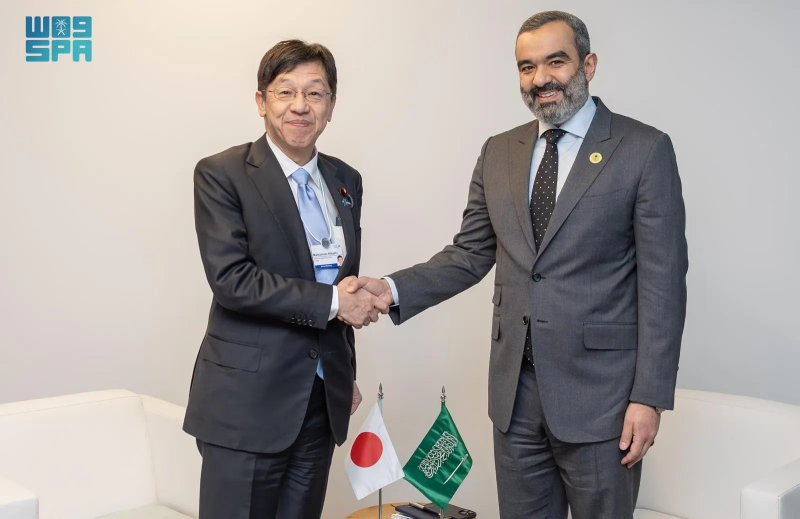

Saudi Arabia and Japan are strengthening their collaboration in the rapidly evolving digital landscape. Minister of Communications and Information Technology Abdullah Alswaha met with Japan’s Minister for Digital Transformation Hisashi Matsumoto on the sidelines of the World Economic Forum (WEF) in Davos this week to discuss expanded partnerships, particularly in digital government initiatives. The meeting signals a continued commitment to technological advancement and economic diversification for both nations.
The discussions, held during the annual WEF gathering in Davos, Switzerland, centered on four key areas: advancing digital government services, fostering artificial intelligence (AI) development, enhancing digital skills within the workforce, and supporting entrepreneurship. This builds on existing cooperative efforts between Saudi Arabia and Japan, aiming to leverage each country’s strengths in the tech sector.
Expanding Saudi-Japan Collaboration in Digital Government
The focus on digital government reflects a global trend toward more efficient and accessible public services. Saudi Arabia’s Vision 2030 plan prioritizes digital transformation as a core component of its economic and social reforms, seeking to reduce reliance on oil and improve the quality of life for its citizens. Japan, a long-standing leader in technological innovation, possesses considerable expertise in building and implementing advanced digital infrastructure.
Areas of Potential Cooperation
The ministers identified several specific areas where collaboration could be deepened. These include the sharing of best practices in digital ID systems, streamlining government processes through automation, and improving cybersecurity measures to protect sensitive data. According to a statement released by the Saudi Ministry of Communications and Information Technology, the goal is to create more citizen-centric services.
Artificial intelligence (AI) was another prominent topic. Both countries recognize the transformative potential of AI across various sectors, from healthcare and education to finance and manufacturing. The discussions likely involved exploring joint research projects, facilitating the exchange of AI talent, and developing ethical frameworks for AI deployment.
However, the development and implementation of AI also require a skilled workforce. The ministers acknowledged the need to invest in digital capability development programs to equip citizens with the skills necessary to thrive in the digital economy. This includes initiatives focused on data science, software engineering, and other emerging technologies.
Additionally, fostering entrepreneurship is seen as crucial for driving innovation and economic growth. The meeting explored ways to create a more supportive ecosystem for startups and small businesses in both countries, potentially through joint investment funds, mentorship programs, and regulatory reforms. The Saudi government has been actively promoting a vibrant startup culture as part of its Vision 2030 goals.
Japan has been a key partner in Saudi Arabia’s diversification efforts for decades, primarily through investments in the energy sector. This latest development signifies a broadening of the relationship to encompass the digital economy, reflecting the changing global landscape. The partnership aligns with Japan’s own strategy to expand its economic influence in the Middle East through technology transfer and collaboration.
The WEF in Davos provides a unique platform for high-level discussions between government officials and business leaders. This year’s forum, focused on themes like rebuilding trust and accelerating innovation, underscored the importance of international cooperation in addressing global challenges. The Saudi-Japan meeting is just one example of the many partnerships being forged at the event.
The Saudi Ministry of Communications and Information Technology has been actively seeking international partnerships to accelerate its digital transformation agenda. Recent collaborations have also been announced with countries like the United States and South Korea, demonstrating a commitment to learning from global leaders in the tech space. These partnerships are expected to contribute significantly to the Kingdom’s economic diversification and its ambition to become a regional hub for technology and innovation.
Meanwhile, Japan is actively promoting its digital transformation expertise internationally. The country sees opportunities to leverage its technological strengths to support the development of digital economies in other regions, particularly in Asia and the Middle East. This strategy is driven by a desire to maintain its competitive edge in the global technology market and to foster closer economic ties with key partners.
In contrast to some nations focusing solely on domestic digital development, both Saudi Arabia and Japan appear to be prioritizing international collaboration as a key driver of progress. This approach allows them to share resources, learn from each other’s experiences, and accelerate the pace of innovation. The benefits of such partnerships extend beyond the economic realm, fostering greater understanding and cooperation between the two countries.
The specifics of any concrete agreements resulting from the meeting have not yet been publicly disclosed. However, the ministry indicated that further discussions will take place in the coming months to develop detailed plans for collaboration in each of the identified areas. A joint working group is expected to be established to oversee the implementation of these plans.
Looking ahead, the success of this partnership will depend on several factors, including the ability to overcome potential regulatory hurdles, secure adequate funding for joint projects, and foster a strong sense of trust and mutual benefit between the two countries. The next steps will likely involve detailed assessments of each country’s digital infrastructure and capabilities, followed by the development of specific project proposals. The timeline for the implementation of these projects remains uncertain, but the commitment from both sides suggests a long-term vision for collaboration.
The development of this Saudi-Japan partnership in digital government, AI, and related fields is a noteworthy trend in international technology cooperation. It will be important to monitor the progress of the joint working group and the specific initiatives that emerge from these discussions. The outcomes could serve as a model for other countries seeking to leverage international partnerships to accelerate their own digital transformations and enhance their digital capabilities. The impact on technology investments in the region will also be a key indicator of success.